Posts in Veterinary
The Hearing Health Evolution: Transforming Behavior & Veterinary Care webinar

The Hearing Health Evolution: Transforming Behavior & Veterinary Care
Hosted by Caroline Clark, Clinical Animal Behaviourist (PG Dip (AS) CABC), Author & CPD Provider

What if one of the most overlooked senses in veterinary medicine is the key to better behavior, calmer handling, and more accurate clinical insight?

In this special webinar for UK behaviourists and veterinarians, Caroline Clark hosts Janet Marlow to explore a new frontier in animal care: hearing health as a clinical standard.

📅 Recorded from the April 15th session for veterinary professionals across the UK.

https://youtu.be/uWbulmD_4Ic

What You’ll Learn:

  • Why hearing has been historically overlooked in veterinary care

  • How sound influences behavior, stress, and clinical outcomes

  • The role of hearing screening as a new, billable wellness tool

  • How a simple 2-minute assessment can provide meaningful behavioral insight

  • Why creating a calming acoustic environment improves handling and diagnostics

This conversation brings together behavioral science and clinical application—offering a practical path forward for integrating hearing health into everyday veterinary workflows.

For professionals seeking to elevate patient care, reduce stress in clinical settings, and better understand behavior at its sensory root—this is where the evolution begins.

Learn more about hearing health innovation and sound-based care at Pet Acoustics.

#VeterinaryMedicine #AnimalBehavior #HearingHealth #PetWellness #VetMed #ClinicalPractice #FearFree #AnimalWelfare #SoundTherapy #VeterinaryInnovation

We Asked 318 Vets How They Test Hearing. Most Said: A Loud Clap.

# What 318 Veterinary Clinics Told Us About Hearing Health — And What They Did Not Know They Were Saying

*By Janet Marlow, M.A., Certified Sound Behaviorist | Founder and CEO, Pet Acoustics*

---

Between August 2023 and April 2026, 318 veterinary clinics across 48 US states requested the Pet Acoustics+ free hearing screening kit for their practice. Every single one was fulfilled and shipped.

That number — 318 clinics, 48 states, all requesting a tool for something they had never been able to test before — tells one kind of story. But the data behind those requests tells a more important one.

---

## The Question We Asked

When clinics placed their request, we asked one straightforward question: what do you currently use to assess your patients' hearing?

The answers were a window into a gap that most of the profession has quietly lived with for years.

**256 of 318 clinics — over 80% — reported no hearing assessment product or protocol in place at all.**

Their answers ranged from candid to quietly revealing:

*"I don't have a product I use to test hearing in pets."* — Dr. William King, Frankfort Animal Clinic, KY

*"We do not currently have any testing options available."* — Hillary Cook, Animal Wellness Center

*"No comparable product in house."* — Erin Sutton, Shiloh Veterinary Hospital

*"We have not had need until now to use one."* — Alexsey Dobberstine, Humane Society of Dallas County

That last response is the one that stays with us. **We have not had need until now.** Not because hearing loss in their patients was rare. As our broader dataset of 10,615 screenings shows, 46.5% of dogs and cats have some degree of hearing impairment. The need was always there. What was missing was the tool — and the awareness that the tool was needed.

---

## What Clinics Were Using Instead

The remaining clinics described their current method. The most common responses:

- **A loud clap** — hands clapped sharply near the animal's head, watching for a flinch

- **Dropping a heavy object** — a book, a stainless steel bowl, something that makes impact noise

- **Visual startle test** — snapping fingers outside the visual field

*"I usually just clap my hands loudly to see if a pet hears it, or drop a heavy book."* — Dr. Erin P. Schulz, At Your Door Mobile Veterinary Care

*"Im guessing it works better than clapping."* — Ivy Gantt, Moon Veterinary Clinic

Only **4 clinics** mentioned BAER testing — the gold standard audiological assessment that requires specialist referral, specialized equipment, and in many cases sedation. BAER is excellent for confirming deafness. It is not a screening tool for the wellness visit. It was never designed to be.

The picture that emerges is straightforward: the most technologically sophisticated profession in pet care has been assessing one of the five primary senses with a hand clap.

This is not a criticism of veterinary practice. It is a description of a gap that existed because no accessible, validated alternative existed. Until now, there was nothing to use instead.

---

## What the Clinics Said When They Arrived

The enthusiasm in the requests was striking. Clinics were not filling out a routine form. They were responding to something they had been waiting for.

*"We are excited to try this product in our office for patients with suspected hearing loss."* — Lauren Newman, Sheltons Veterinary Hospital, NC

*"We have several clients a year who are interested in evaluating their pets' hearing. I think this would be a great way to evaluate it coupled with the in-clinic exam."* — Dr. Jaimie Wisnowski, Preiser Animal Hospital

*"Can't wait to try it out and see results in just one minute!"* — Dr. Carla Bender, Thousand Island Animal Hospital

*"Very cool. I am a hospice veterinarian and would love to see something like this used more as I constantly have clients mention their dogs' hearing loss."* — Dr. Tessa Brown, At Peace Home Veterinary Care

*"We have plenty of clients always asking if their pets can hear."* — Dr. Amy O'Malley, Warrenton Animal Clinic

*"I just acquired a deaf dog and this would be a great test for him and to show clients."* — Randall Ruble, Madera Animal Hospital

*"Yes, if it works well, it would be something we recommend to our clients."* — Dr. Robert R. Maza, Companion Animal Hospital

The demand was already there. Owners were already asking. Veterinarians already knew this was a gap — they just had no way to close it.

---

## 48 States. Every Practice Type.

The 318 clinics in our network represent the breadth of American veterinary practice:

- **General practices** from every region, from urban hospital groups to single-veterinarian rural clinics

- **Mobile and house-call practices** — 8 clinics whose model requires tools that travel

- **Emergency and specialty hospitals** — 9 referral and specialist centers

- **Shelters and humane societies** — 7 organizations, where hearing screening has direct implications for adoption placement and behavioral assessment

- **Hospice and end-of-life practices** — where hearing loss is among the most common and least-discussed quality-of-life factors

The top states by clinic count — Florida (32), Texas (29), Pennsylvania (18), California (17), North Carolina (16), New York (16), Michigan (15) — mirror the national distribution of veterinary practices. This is not a regional phenomenon. It is national.

---

## The Number That Matters Most

Of the 318 clinics, only 4 had any formal audiological testing capability. The rest were working with their hands and their instincts.

Meanwhile, our hearing dataset tells us that among the patients walking through those clinic doors:

- **46.5%** have some degree of hearing impairment

- **28.2%** have significant loss across all frequency bands

- **50.2%** have absent high-frequency response — the earliest and most sensitive marker of age-related decline

- The majority of those animals have **no hearing baseline on record**

The math is uncomfortable. A clinic seeing 20 patients a day is likely seeing 9 or 10 animals with undetected hearing loss — animals whose behavioral presentations, stress responses, and treatment plans may be influenced by a sensory factor that no one has measured.

---

## What the Screening Changes

The Pet Acoustics+ hearing screening takes under two minutes. It requires no equipment beyond a smartphone. It tests behavioral response across three frequency bands — low (125 Hz to 1 kHz), mid (1 kHz to 4 kHz), and high (4 kHz to 16+ kHz) — and generates a structured clinical PDF the veterinarian can enter into the patient record.

What it creates, for the first time, is a **baseline**.

A baseline changes everything about what happens next. It gives the veterinarian a comparison point for every future visit. It gives the owner language for what they have been observing. It gives the behavioral picture context — when a dog stops responding to commands or a cat begins startling at touch, the veterinarian can ask not only "what has changed behaviorally?" but "what has changed neurologically or sensorially?"

It also changes the conversation around hearing for good. Once a baseline exists, hearing becomes a variable — something tracked over time, something included in the longitudinal health record, something that informs decisions about environment, training, medication, and quality of life.

---

## The Profession Is Ready

The 318 clinics in our network did not need to be convinced that hearing health mattered. They requested the tool because they already knew their patients needed it and their clients were asking for it.

What they needed was something practical. Something that fit into a wellness visit. Something that did not require a referral, a specialist, or a sedated patient.

*"Clients will love it."* — Sara Fletcher, Greensboro Mobile Veterinary Housecalls

*"Interested in how this test will benefit our patients."* — Dr. Erin Downard, Country Brook Animal Hospital

*"This will be something very interesting to try."* — Janet Henkel, Tillamook Veterinary Hospital, OR

The interest is there. The need is documented. The gap between what is currently assessed at a wellness visit and what could be assessed — with a free, two-minute smartphone tool — is one that the profession is ready to close.

---

## For Veterinary Professionals

The Pet Acoustics+ hearing screening is free to download and free to use. It can be integrated into any wellness visit workflow without additional equipment, staff training, or scheduling time.

To request a free sample kit for your practice or to learn more about integrating hearing screening into your wellness protocol, visit **petacoustics.com** or contact us directly at janetmarlow@petacoustics.com.

Your patients' owners are already asking whether their pets can hear. Now there is an answer you can give them.

---

*Janet Marlow, M.A., is a Certified Sound Behaviorist, Founder and CEO of Pet Acoustics Inc., and the developer of the world's first behavioral digital hearing screening for companion animals. Her research has been published in peer-reviewed international journals and is endorsed by the Fear Free veterinary initiative.*

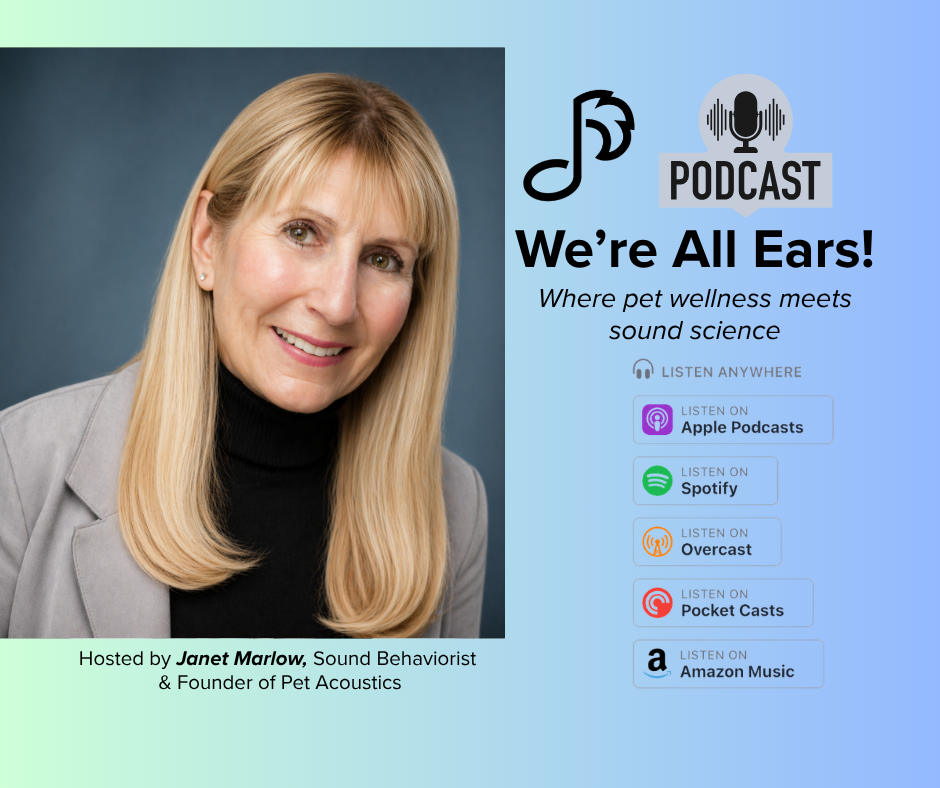
How Veterinarians Can Use the Pet Acoustics Hearing Test App as a Valuable Screening Tool for Dogs and Cats

How Veterinarians Can Use the Pet Acoustics Hearing Test as a Valuable Screening Tool for Dogs and Cats

Hearing health in pets is often overlooked in routine veterinary care. Yet, just like humans, dogs and cats can experience hearing loss—whether from age, breed predisposition, ear infections, noise trauma, or other medical conditions. The challenge for veterinarians has always been having a quick, non-invasive, and accessible way to screen for potential hearing issues.

Now, with the Pet Acoustics+ App, veterinarians have a new tool at their fingertips: the Pet Acoustics Hearing Test—a free, innovative, and patent-pending feature designed specifically to help veterinary professionals assess canine and feline hearing health right in the exam room.

Why Add Hearing Screening to Routine Care?

  • Early detection of hearing loss can improve quality of life and safety for pets.

  • Many pet parents are unaware their pet may not be hearing well—behavior changes may be mistakenly attributed to aging, stubbornness, or anxiety.

  • Hearing loss can be a symptom of other underlying conditions such as ear infections, neurological issues, or drug side effects.

  • Breed-specific risks (such as congenital deafness in certain white-coated breeds) make hearing screening an important preventive care measure.

  • Educating pet parents on hearing health builds value, trust, and engagement in your veterinary services.

How the Pet Acoustics Hearing Test Works

The app plays a series of calibrated, species-specific tones that match the hearing frequency ranges of dogs and cats. These tones are carefully designed to:

✅ Be non-startling and comfortable for pets
✅ Target high, mid, and low frequencies
✅ Help identify partial or full hearing loss, either unilateral or bilateral

During the test, veterinarians or technicians observe the pet for behavioral responses such as:

  • Ear movements or twitching

  • Head turning toward the sound

  • Changes in alertness or body posture

  • Eye movements or expressions of curiosity

The simple process can be performed in just a few minutes—no sedation, specialized equipment, or complex setup required.

Practical Applications in Veterinary Practice

1. Wellness Exams & Senior Pet Care
Integrate hearing screening into routine check-ups for adult and senior pets. As pets age, undetected hearing loss is common—early screening helps guide care recommendations and lifestyle adjustments.

2. Pre-Anesthetic Assessment
Screen for hearing issues prior to anesthesia or dental procedures to better tailor recovery environments (reducing potential startle responses during waking).

3. Breed-Specific Risk Screening
Use for puppies and kittens in breeds predisposed to congenital hearing loss (e.g., Dalmatians, Australian Shepherds, white cats with blue eyes).

4. Behavior Consultations
Assess pets presented with new behavior issues—hearing loss may be contributing to confusion, anxiety, or apparent “non-responsiveness.”

5. Post-Treatment Follow-Up
Screen after treatments for chronic otitis or other ear conditions to monitor hearing function.

Benefits for Veterinary Practices

Adds value to your wellness care offerings
✅ Provides a modern, client-friendly screening option
✅ Encourages client engagement and education
✅ Easy to use—simply download the Pet Acoustics+ App on clinic devices
✅ Complements other sensory and cognitive health assessments

Getting Started

The Pet Acoustics Hearing Test is available for free in the Pet Acoustics+ App (downloadable on the App Store and Google Play). Veterinary teams can immediately begin using the tool in practice to enhance pet care and improve outcomes.

For those who want to take hearing wellness further, the app also offers in-app subscriptions to Pet Acoustics’ scientifically proven calming music—an excellent complement for managing anxiety, post-surgery recovery, and noise phobia cases.

Final Thought:
As veterinary medicine continues to embrace preventive wellness, sensory health—including hearing—deserves a more prominent role. With the Pet Acoustics Hearing Test, veterinarians now have an easy way to bring hearing care into everyday practice.

Vet Acoustics

Why Veterinarian Facilities Should Consider Pet Acoustics Music Essential for Calm, Healing, and Professional Well-being

In today’s veterinary landscape, providing top-tier care goes beyond medical treatments and procedures. The emotional and psychological well-being of animals plays a crucial role in their overall health, and one often overlooked but highly effective tool in achieving this is pet acoustics music. Designed specifically to calm and comfort pets, this specialized music has been proven to reduce stress, promote healing, and even benefit the humans who work with and care for animals. Here’s why veterinarian facilities should make pet acoustics music an essential part of their practice.

1. Reducing Stress and Anxiety in Pets

Veterinary visits can be highly stressful for animals. Unfamiliar environments, strange smells, and the presence of other distressed animals can trigger anxiety and fear. Research has shown that specifically designed pet acoustics music can significantly reduce these stress levels. Unlike regular music, pet acoustics music is composed with specific frequencies and rhythms that align with an animal’s auditory sensitivity, helping them feel more at ease.

2. Aiding in Recovery and Healing

Calmness is directly linked to better healing. When animals are relaxed, their bodies can focus on recovery rather than being in a heightened state of stress. Lower stress levels contribute to reduced cortisol production, which, in turn, supports immune function and tissue repair. By integrating pet acoustics music into post-operative recovery areas, veterinary facilities can create a more serene and healing-focused environment for their patients.

3. Enhancing Veterinary Procedures

Routine check-ups, vaccinations, and even grooming can be challenging when animals are anxious or restless. By playing calming music in examination and treatment rooms, veterinarians can create a more peaceful atmosphere, making procedures smoother and less stressful for both the animals and the veterinary staff.

4. Improving the Human Experience

Veterinary professionals work in a demanding and often emotionally charged environment. Managing distressed animals and anxious pet owners can lead to significant workplace stress. The soothing effects of pet acoustics music extend to humans as well, helping veterinary teams maintain focus, reduce stress, and create a more positive work environment. Additionally, pet owners who visit the facility will feel more at ease in a calming atmosphere, fostering better communication and trust with their veterinarians.

5. Setting a New Standard in Veterinary Care

As pet owners become more aware of holistic approaches to animal care, veterinary facilities that incorporate pet acoustics music can stand out as forward-thinking and compassionate providers. Offering a calming and stress-free environment not only improves patient outcomes but also enhances the overall reputation of the facility.

Final Thoughts

Pet acoustics music is a simple yet powerful tool that can transform the veterinary experience for pets, veterinary staff, and pet owners alike. By integrating calming music into their facilities, veterinarians can create a more soothing environment that promotes healing, reduces stress, and improves overall well-being. As veterinary science continues to evolve, embracing such holistic approaches will be key in delivering the best possible care for animals and their caregivers.

Pet Acoustics products are ideal for veterinary facilities because they help create a calmer, stress-free environment for animals. Here’s why they are a great fit:

  1. Reduces Anxiety & Stress – Vet visits can be stressful for pets. The specially designed sound frequencies in Pet Acoustics music help soothe anxious animals, making exams, treatments, and procedures easier.

  2. Enhances Patient Comfort – Whether in waiting areas, exam rooms, or recovery spaces, calming music can help pets feel more relaxed, leading to better cooperation and faster recovery.

  3. Proven Scientific Backing – Studies have shown that species-specific music can lower heart rates, reduce stress behaviors, and improve overall well-being in animals.

  4. Versatile Use – Pet Acoustics devices are portable and can be used in various settings, including kennels, surgical rooms, and post-op recovery areas.

  5. Minimizes Aggression & Fear Responses – Calming sounds can reduce fear-based reactions in pets, leading to a safer environment for both staff and animals.

  6. Non-Pharmaceutical Solution – Using music therapy as a natural way to relax pets reduces reliance on sedatives or anti-anxiety medications.

  7. Improves Overall Experience – A more peaceful clinic environment benefits both pets and their owners, making visits more pleasant and less stressful.

Calming Vet Exams for Pets

Humans waiting for the doctor to arrive in an exam room often have the experience of raised blood pressure levels. It’s common to get a higher number read, well, because we’re human and there is always a bit of stress going to the doctor. For our pets, who are acutely more sensitive to their environmental changes, traveling to the vet, going through the lobby and arriving in an exam room increases pulse rate, lowers HRV (heart rate variability), and triggers FAS (fear, anxiety and stress). Dogs can pace and pant and cats can cry out and cower in anxious behaviors.

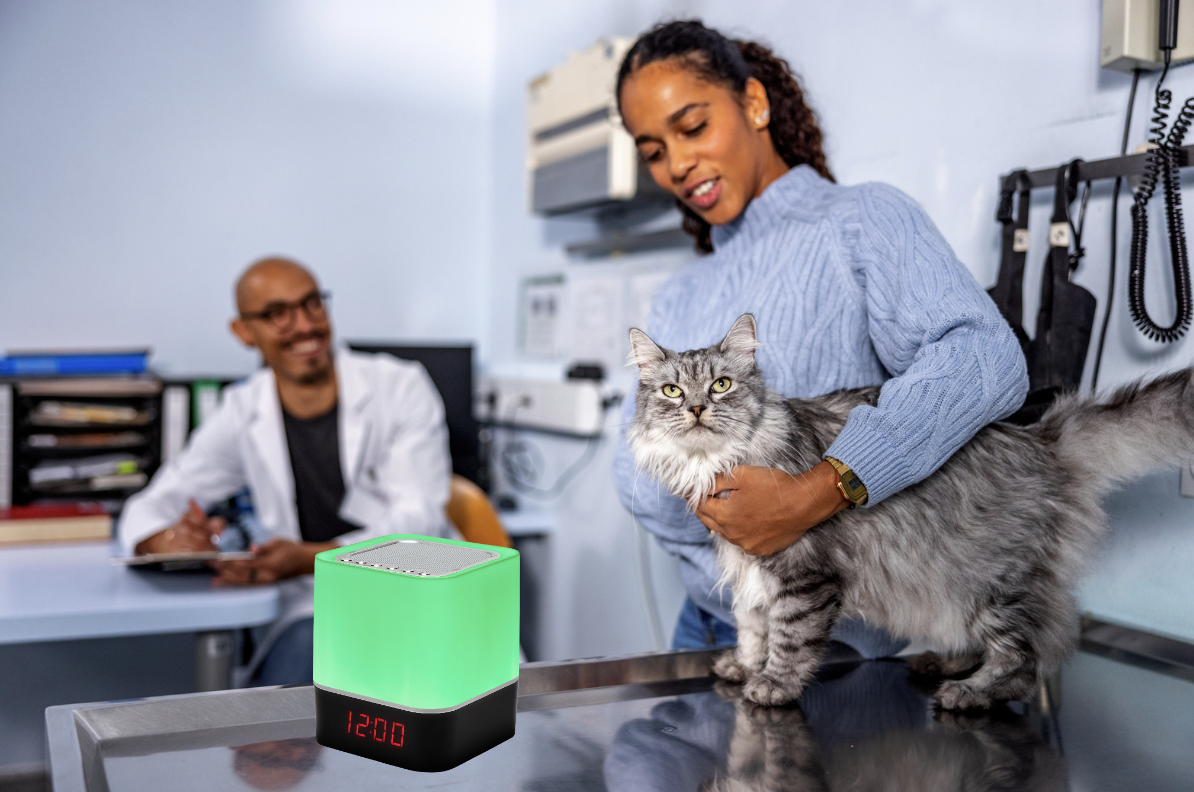
Pet Acoustics has been focused on how to address this experience for our beloved pets and how to help veterinarians achieve better and easier exams. So we filmed the experience of “Rigby, an English Springer Spaniel in the moments between the vet tech evaluation and waiting for the veterinarian to come into the room for the exam. This is an important opportunity to be able to lower the stress level of the pet for better more relaxed exams for the pet and veterinarian alike. What we used is our newest multi-sensory product Pet Tunes Pro using soothing light and our biometrically proven music technology to lower stress in Rigby’s behavior. Here’s what happened!

As you can see, Rigby’s breathing and behavior became calm and ready for the vet exam. Pet Acoustics is a FearFree Preferred product.

Pet Acoustics biometric music is designed to benefit dogs and cats by providing music that is specifically tailored to their auditory and emotional needs. This type of music is created with the physiological and psychological characteristics of pets in mind. Here are some ways in which pet acoustics biometric music can be beneficial:

  1. Stress Reduction: Pet Acoustics music is designed to have a calming effect on dogs and cats. It often incorporates soothing melodies, gentle rhythms, and frequencies that are known to reduce stress and anxiety in pets. This can be particularly helpful in situations that typically cause stress, such as veterinary visits or thunderstorms.

  2. Auditory Enrichment: Dogs and cats have a heightened sense of hearing compared to humans. Pet Acoustics music takes into account their ability to hear a broader range of frequencies and may include sounds that are pleasing to them, enhancing their auditory environment and providing enrichment.

  3. Distraction: In stressful situations, such as during a car ride or a vet visit, pet acoustics music can serve as a distraction. It can help divert a pet's attention away from anxiety-inducing stimuli and promote a more relaxed state of mind.

  4. Promotes Relaxation: The music's soothing qualities can help pets relax, which is beneficial for their overall well-being. Reduced stress and anxiety can contribute to better health outcomes and behavior in pets.

  5. Positive Associations: If consistently played in positive situations, pet acoustics music can create positive associations for pets. For example, if it's played during playtime or mealtime, pets may associate the music with enjoyable experiences.

  6. Better Sleep: Pet Acoustics music can be used to create a calming bedtime routine for pets. The soothing sounds can help dogs and cats fall asleep faster and enjoy a more restful sleep.

  7. Behavioral Benefits: Some pets with behavioral issues, such as separation anxiety, may benefit from the calming effects of pet Acoustics music. It can be part of a broader approach to managing and addressing behavior problems.

Many pet owners and veterinarians have reported positive outcomes when using this type of music to help pets relax and reduce anxiety.

At Pet Acoustics®, we are thrilled to announce a groundbreaking advancement in our research into behavioral calmness for cats and dogs. Through rigorous biometric studies, we have successfully proven the effectiveness of our innovative approach to promoting a serene environment for our furry friends. These findings constitute a major breakthrough in understanding the emotional well-being of cats and dogs and signify a significant leap forward in veterinary science.
Using advanced biometric technology, our team has explored the impact of specific sound frequencies on the physiological responses of cats and dogs. By meticulously monitoring heart rate, respiration, and various other vital signs, we have collected comprehensive data that confirms the calming effects of our specially designed acoustic solutions.
The results of our biometric studies have astoundingly demonstrated a reduction in stress and anxiety levels among cats and dogs exposed to our scientifically formulated soundscapes. Through carefully engineered compositions, tailored specifically to the auditory sensitivities of our beloved companions, we have observed significant positive changes in behavioral patterns.

Veterinary, Dogs, CatsJanet Marlow
Pet Tunes Pro- Advancing Pet Care

Introducing an advancement in pet care!

PET TUNES PRO

A multisensory speaker to balance behaviors in dogs and cats

PET TUNES PRO - Veterinary, Kennel, Home

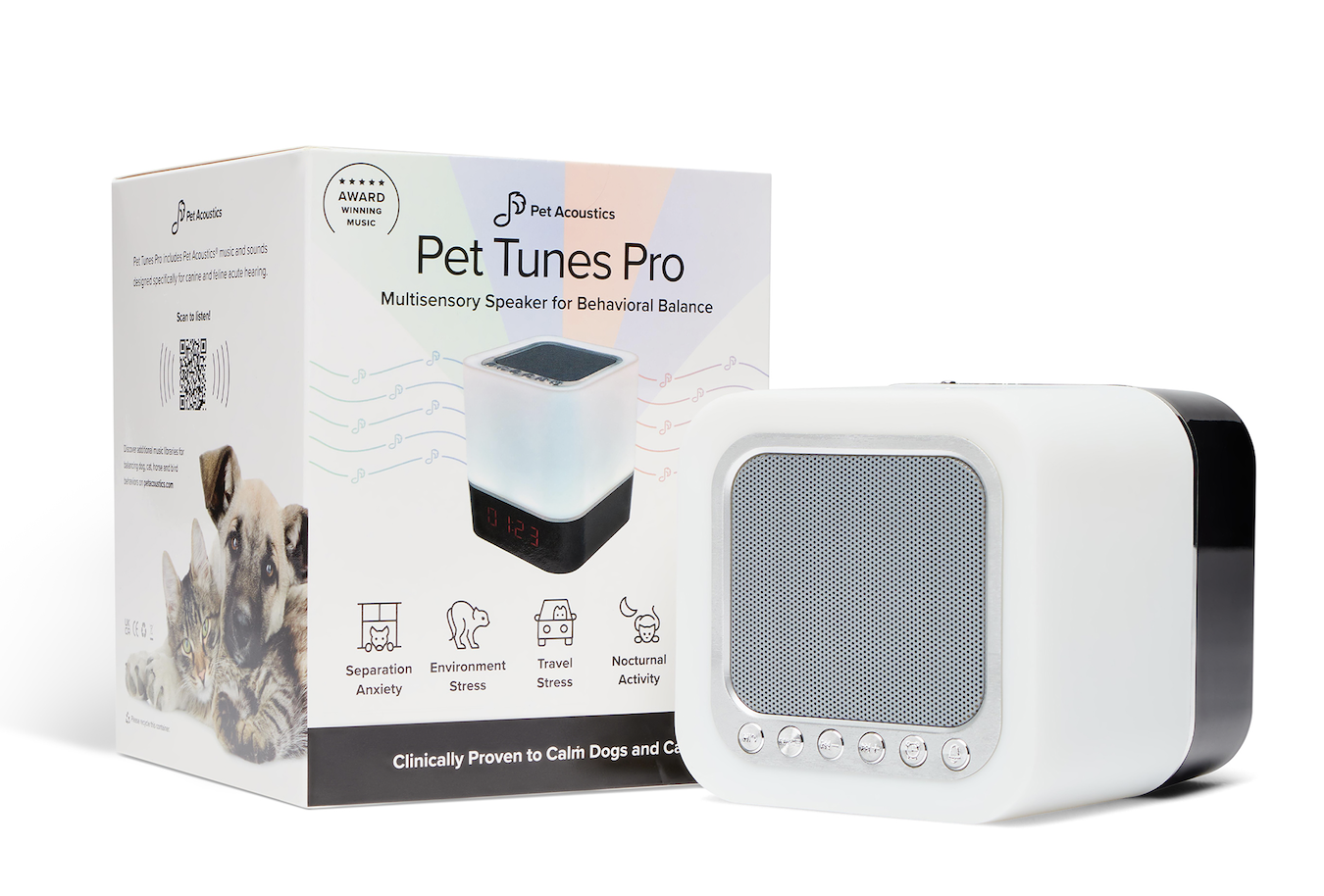
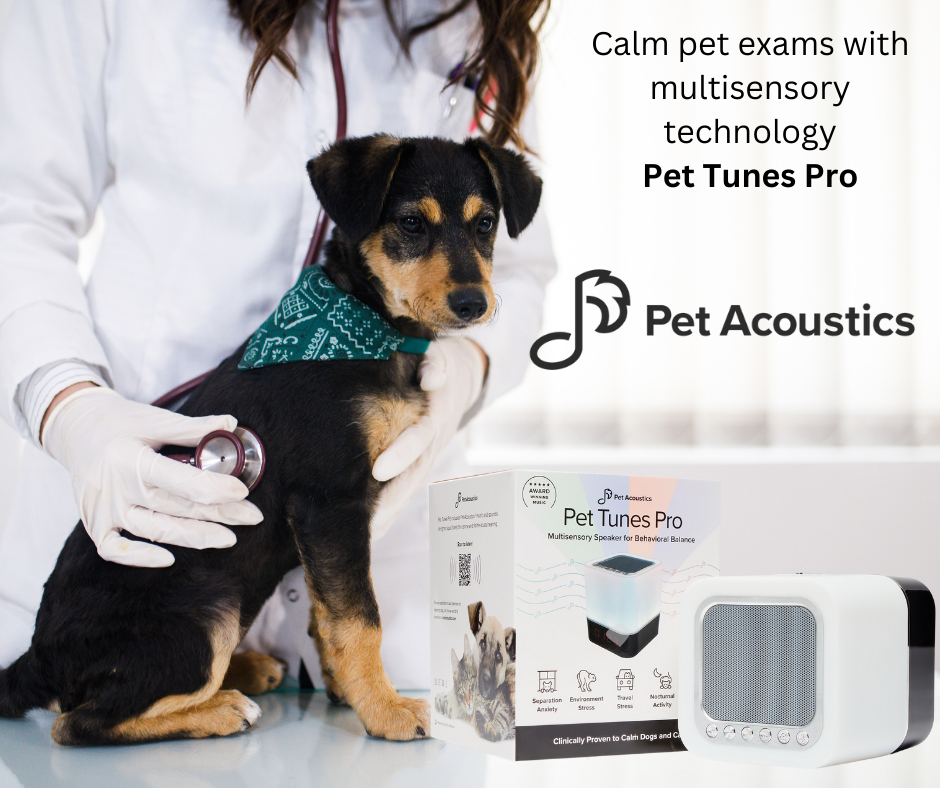
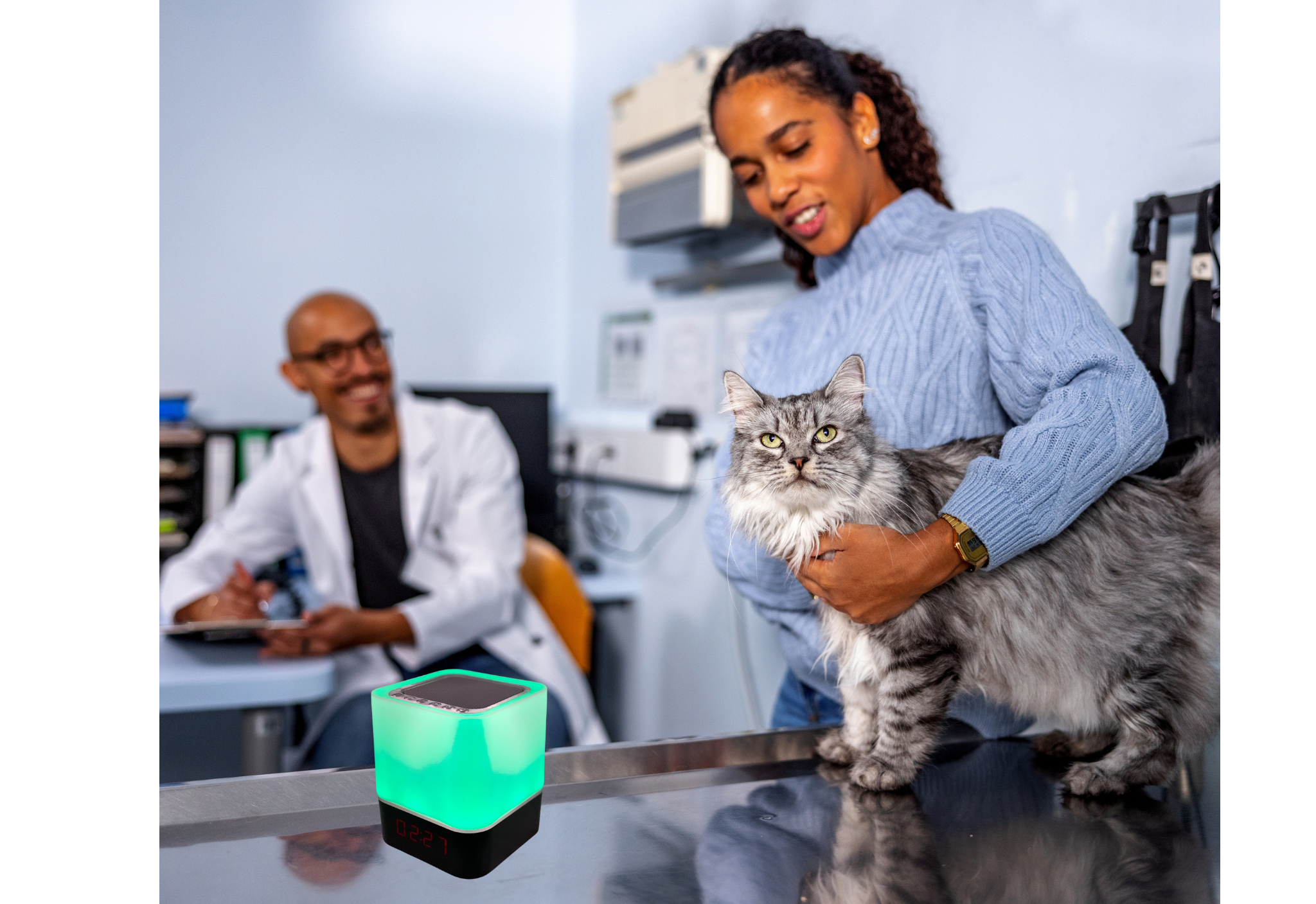
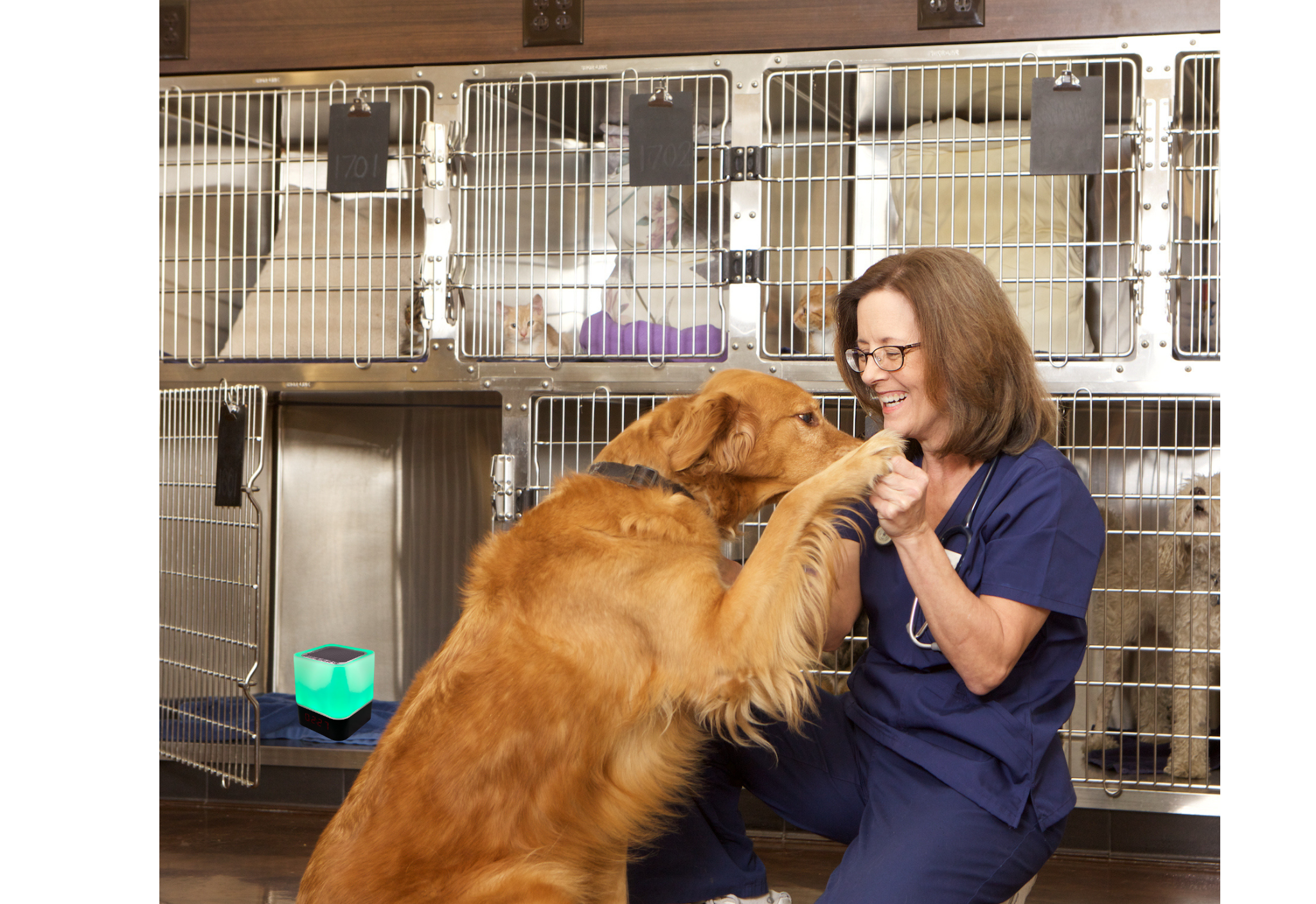
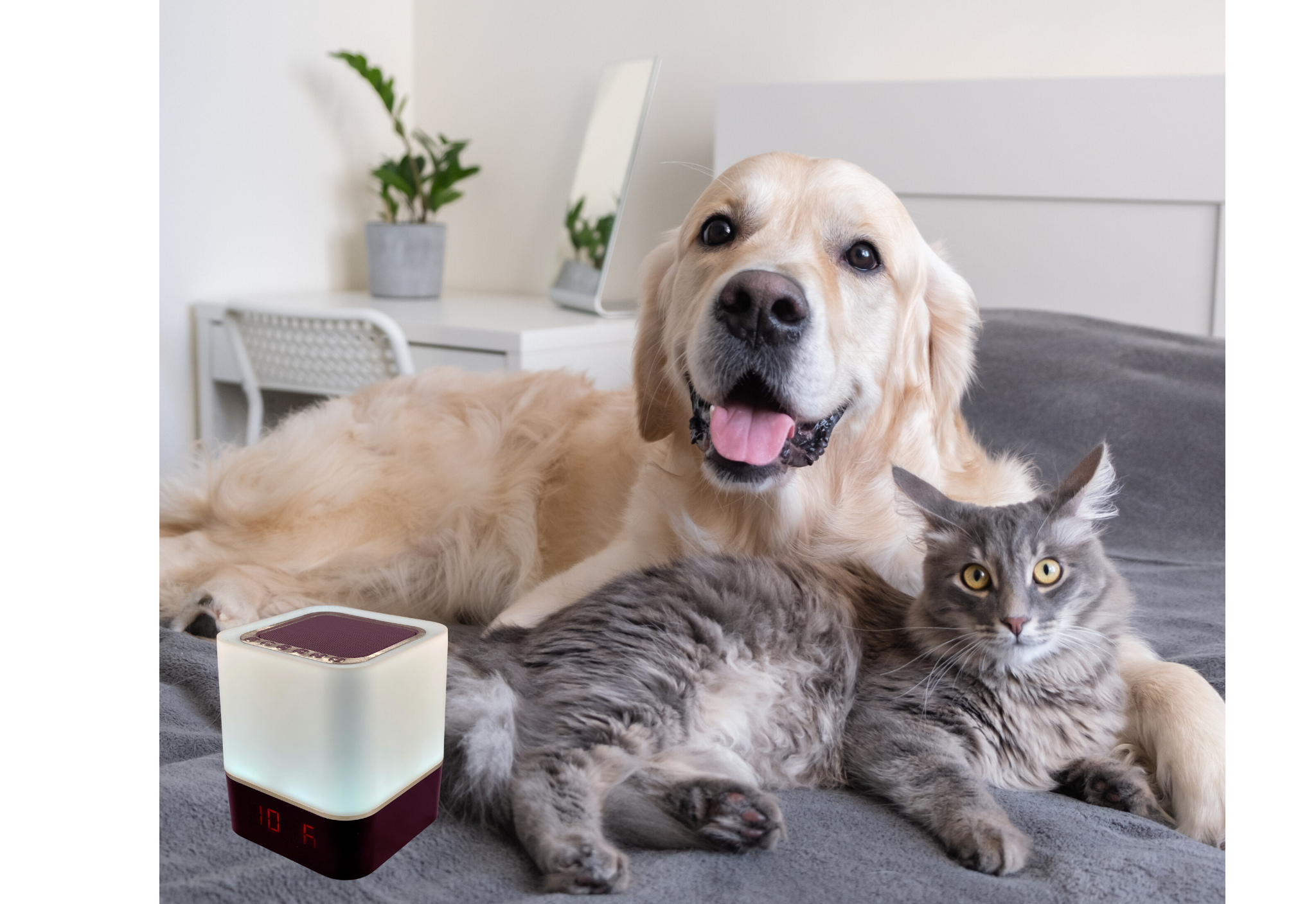
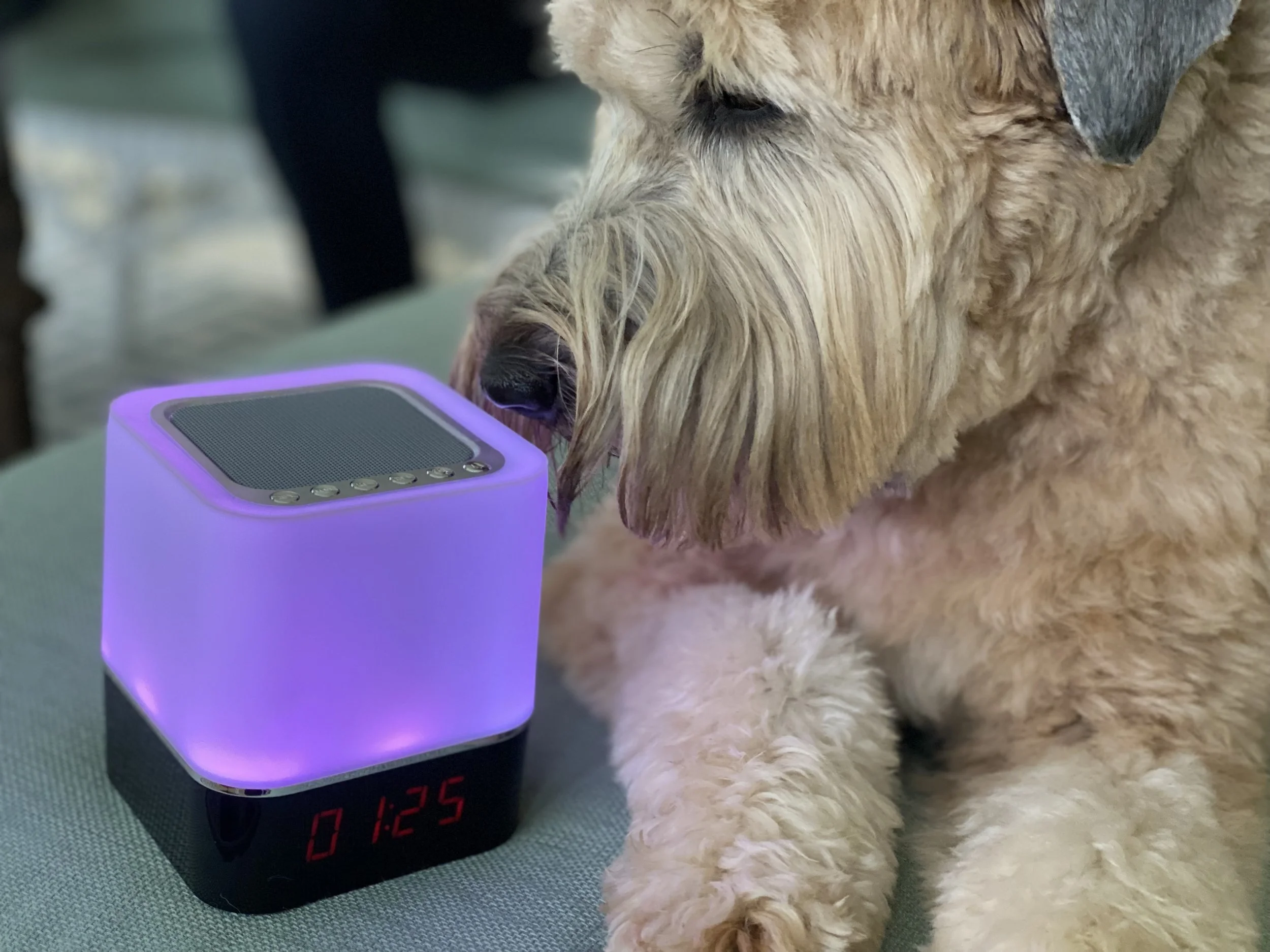
Pet Tunes Pro is a multi-sensory speaker that calms dogs and cats with Pet Acoustics® music, light, colors, and nature sounds. Proven through biometric studies, Pet Acoustics® proprietary sound design relieves pet stress for wellness in veterinary, kennel and home environments.

Pet Tunes Pro by Pet Acoustics- New!

Dogs identify hues of blue-violet and cats hues of yellow-green. Light colors can help reduce stress levels in dogs and cats. Easy Touch tap on the speaker changes color choices. Useful for veterinary and kennel settings.

Dogs hear twice as much as humans and cats three times more. Our Pet Tunes Pro's 360° omni directional speaker helps to balance canine and feline behaviors in their listening environment with volume capacity from small to large spaces.

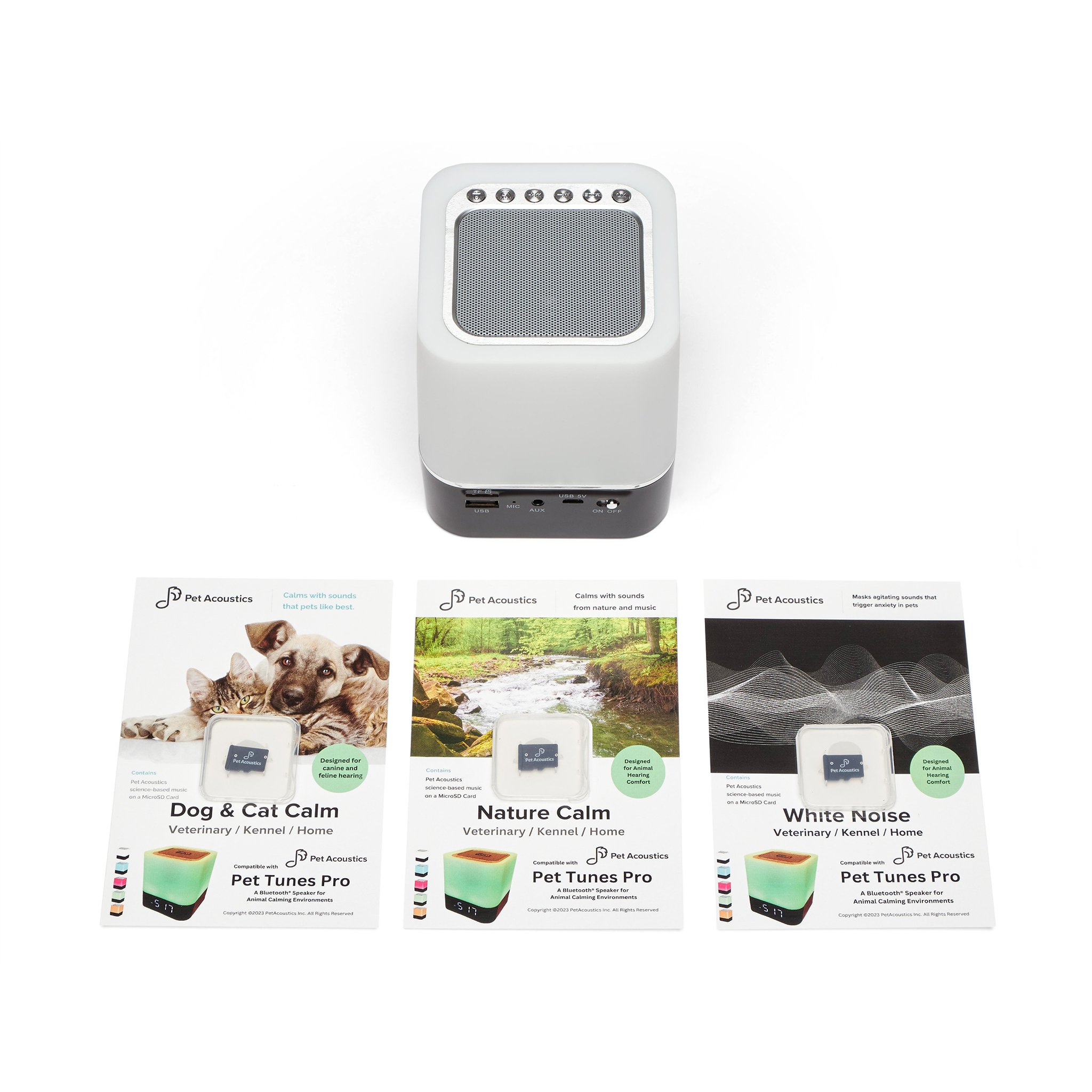
PET TUNES PRO INCLUDES:

  • Pet Acoustics® preloaded Micro TF Card with calming music for dogs and cats

  • Pet Acoustics® Nature Calm TF Card for dogs and cats

  • Pet Acoustics® White Noise TF Card

  • Nature Sound Built-in Mode (8 Choices)

  • Multicolor Touch Light Choices

  • Home Pet Hearing Test

  • USB Charging cord

  • AUX IN cable

Bluetooth® compatible - plays any music from device

Multiple RGB color choices to soothe pet environments 

Digital LED alarm clock timer for scheduling prompts

Why the word PRO after Pet Tunes?

From Latin pro (“in favor of, on behalf of”) Pet Acoustics’ products are in favor of pet wellness and on behalf of providing the best products for your pet.

* Shop additional SD cards for dogs, puppy, cats, horses or birds available