Posts in Clinical Studies
Hearing Wellness in Companion Animals

Why Hearing Wellness Should Become a Standard Part of Every Pet's Health Check

For decades, veterinary wellness has focused on vision, dental health, heart function, mobility, and weight. Yet one of the most important senses an animal relies on every day has often been overlooked: hearing.

As the founder of Pet Acoustics and a Certified Sound Behaviorist™, I have spent more than 15 years studying how sound influences animal behavior, stress, communication, and wellbeing. Throughout that journey, one question continued to surface:

How many behavior problems are actually hearing problems?

That question led to the development of the Pet Acoustics Hearing Wellness Screening and, ultimately, to the publication of our peer-reviewed study, Hearing Wellness in Companion Animals, in the International Animal Health Journal.

What We Learned from Over 10,000 Hearing Screenings

Our study analyzed 10,615 behavioral hearing screenings performed by pet owners, veterinary professionals, and animal care organizations across 86 countries.

The findings were striking:

  • 46.5% of animals showed reduced hearing in at least one frequency range.

  • High-frequency hearing loss was the most common finding.

  • Pets aged seven years and older demonstrated significantly more hearing impairment than younger animals.

  • Dogs and cats showed remarkably similar patterns of age-related hearing decline.

While the screening is behavioral rather than diagnostic, the consistency of these results suggests that hearing loss is far more common than many of us realize.

Hearing Loss Often Looks Like a Behavior Problem

Animals rarely tell us they cannot hear.

Instead, owners notice that their pet:

  • Doesn't come when called.

  • Seems stubborn.

  • Sleeps more deeply.

  • Startles easily.

  • Becomes anxious.

  • Appears confused.

  • Withdraws socially.

These changes are often attributed to aging or behavior when the underlying cause may be declining hearing.

Without screening, hearing loss can remain hidden for years.

Why Traditional Hearing Testing Isn't Enough

The gold standard for veterinary hearing evaluation is the Brainstem Auditory Evoked Response (BAER) test.

BAER provides objective diagnostic information, but it requires specialized equipment, trained personnel, and often sedation. As a result, it is generally reserved for referral hospitals and specific medical cases.

That leaves most companion animals with no routine hearing assessment at all.

A New Approach to Hearing Wellness

Behavioral hearing screening was designed to fill this gap.

Using species-specific sounds across low, mid, and high frequency ranges, the Pet Acoustics Hearing Wellness Screening can be completed in approximately two minutes on a smartphone or tablet.

The goal is not to diagnose hearing loss.

The goal is to identify animals whose responses suggest they may benefit from:

  • closer monitoring,

  • environmental modifications,

  • communication adjustments,

  • or referral for diagnostic testing when appropriate.

Just as blood pressure screening doesn't replace cardiac diagnostics, hearing screening provides an accessible first step toward better preventive care.

Hearing Influences More Than Communication

Hearing affects nearly every aspect of an animal's life.

It influences:

  • emotional regulation,

  • learning,

  • confidence,

  • environmental awareness,

  • social interactions,

  • safety,

  • and the human-animal bond.

When hearing changes, behavior often changes with it.

Recognizing this relationship allows veterinarians, behaviorists, trainers, and owners to make more informed decisions and improve an animal's quality of life.

Looking Ahead

One of the most encouraging aspects of our research was the response from veterinary professionals.

Many clinics reported they currently have no formal hearing assessment protocol, yet expressed enthusiasm for incorporating hearing wellness into routine care.

As veterinary medicine continues to emphasize preventive healthcare, hearing deserves to stand alongside vision, dental health, and mobility as a routine wellness parameter.

Because hearing isn't simply another sense.

It shapes how animals experience the world around them.

And when we begin listening through the animal's ears, we often gain an entirely new understanding of their behavior, their wellbeing, and their needs.

Janet Marlow, M.A., Certified Sound Behaviorist™
Founder & CEO, Pet Acoustics, Inc.

This blog is based on the peer-reviewed publication "Hearing Wellness in Companion Animals: Observational Study of 10,615 Behavioural Hearing Screenings," published in the International Animal Health Journal.

We Asked 318 Vets How They Test Hearing. Most Said: A Loud Clap.

# What 318 Veterinary Clinics Told Us About Hearing Health — And What They Did Not Know They Were Saying

*By Janet Marlow, M.A., Certified Sound Behaviorist | Founder and CEO, Pet Acoustics*

---

Between August 2023 and April 2026, 318 veterinary clinics across 48 US states requested the Pet Acoustics+ free hearing screening kit for their practice. Every single one was fulfilled and shipped.

That number — 318 clinics, 48 states, all requesting a tool for something they had never been able to test before — tells one kind of story. But the data behind those requests tells a more important one.

---

## The Question We Asked

When clinics placed their request, we asked one straightforward question: what do you currently use to assess your patients' hearing?

The answers were a window into a gap that most of the profession has quietly lived with for years.

**256 of 318 clinics — over 80% — reported no hearing assessment product or protocol in place at all.**

Their answers ranged from candid to quietly revealing:

*"I don't have a product I use to test hearing in pets."* — Dr. William King, Frankfort Animal Clinic, KY

*"We do not currently have any testing options available."* — Hillary Cook, Animal Wellness Center

*"No comparable product in house."* — Erin Sutton, Shiloh Veterinary Hospital

*"We have not had need until now to use one."* — Alexsey Dobberstine, Humane Society of Dallas County

That last response is the one that stays with us. **We have not had need until now.** Not because hearing loss in their patients was rare. As our broader dataset of 10,615 screenings shows, 46.5% of dogs and cats have some degree of hearing impairment. The need was always there. What was missing was the tool — and the awareness that the tool was needed.

---

## What Clinics Were Using Instead

The remaining clinics described their current method. The most common responses:

- **A loud clap** — hands clapped sharply near the animal's head, watching for a flinch

- **Dropping a heavy object** — a book, a stainless steel bowl, something that makes impact noise

- **Visual startle test** — snapping fingers outside the visual field

*"I usually just clap my hands loudly to see if a pet hears it, or drop a heavy book."* — Dr. Erin P. Schulz, At Your Door Mobile Veterinary Care

*"Im guessing it works better than clapping."* — Ivy Gantt, Moon Veterinary Clinic

Only **4 clinics** mentioned BAER testing — the gold standard audiological assessment that requires specialist referral, specialized equipment, and in many cases sedation. BAER is excellent for confirming deafness. It is not a screening tool for the wellness visit. It was never designed to be.

The picture that emerges is straightforward: the most technologically sophisticated profession in pet care has been assessing one of the five primary senses with a hand clap.

This is not a criticism of veterinary practice. It is a description of a gap that existed because no accessible, validated alternative existed. Until now, there was nothing to use instead.

---

## What the Clinics Said When They Arrived

The enthusiasm in the requests was striking. Clinics were not filling out a routine form. They were responding to something they had been waiting for.

*"We are excited to try this product in our office for patients with suspected hearing loss."* — Lauren Newman, Sheltons Veterinary Hospital, NC

*"We have several clients a year who are interested in evaluating their pets' hearing. I think this would be a great way to evaluate it coupled with the in-clinic exam."* — Dr. Jaimie Wisnowski, Preiser Animal Hospital

*"Can't wait to try it out and see results in just one minute!"* — Dr. Carla Bender, Thousand Island Animal Hospital

*"Very cool. I am a hospice veterinarian and would love to see something like this used more as I constantly have clients mention their dogs' hearing loss."* — Dr. Tessa Brown, At Peace Home Veterinary Care

*"We have plenty of clients always asking if their pets can hear."* — Dr. Amy O'Malley, Warrenton Animal Clinic

*"I just acquired a deaf dog and this would be a great test for him and to show clients."* — Randall Ruble, Madera Animal Hospital

*"Yes, if it works well, it would be something we recommend to our clients."* — Dr. Robert R. Maza, Companion Animal Hospital

The demand was already there. Owners were already asking. Veterinarians already knew this was a gap — they just had no way to close it.

---

## 48 States. Every Practice Type.

The 318 clinics in our network represent the breadth of American veterinary practice:

- **General practices** from every region, from urban hospital groups to single-veterinarian rural clinics

- **Mobile and house-call practices** — 8 clinics whose model requires tools that travel

- **Emergency and specialty hospitals** — 9 referral and specialist centers

- **Shelters and humane societies** — 7 organizations, where hearing screening has direct implications for adoption placement and behavioral assessment

- **Hospice and end-of-life practices** — where hearing loss is among the most common and least-discussed quality-of-life factors

The top states by clinic count — Florida (32), Texas (29), Pennsylvania (18), California (17), North Carolina (16), New York (16), Michigan (15) — mirror the national distribution of veterinary practices. This is not a regional phenomenon. It is national.
---

## The Number That Matters Most

Of the 318 clinics, only 4 had any formal audiological testing capability. The rest were working with their hands and their instincts.

Meanwhile, our hearing dataset tells us that among the patients walking through those clinic doors:

- **46.5%** have some degree of hearing impairment

- **28.2%** have significant loss across all frequency bands

- **50.2%** have absent high-frequency response — the earliest and most sensitive marker of age-related decline

- The majority of those animals have **no hearing baseline on record**

The math is uncomfortable. A clinic seeing 20 patients a day is likely seeing 9 or 10 animals with undetected hearing loss — animals whose behavioral presentations, stress responses, and treatment plans may be influenced by a sensory factor that no one has measured.

---

## What the Screening Changes

The Pet Acoustics+ hearing screening takes under two minutes. It requires no equipment beyond a smartphone. It tests behavioral response across three frequency bands — low (125 Hz to 1 kHz), mid (1 kHz to 4 kHz), and high (4 kHz to 16+ kHz) — and generates a structured clinical PDF the veterinarian can enter into the patient record.

What it creates, for the first time, is a **baseline**.

A baseline changes everything about what happens next. It gives the veterinarian a comparison point for every future visit. It gives the owner language for what they have been observing. It gives the behavioral picture context — when a dog stops responding to commands or a cat begins startling at touch, the veterinarian can ask not only "what has changed behaviorally?" but "what has changed neurologically or sensorially?"

It also changes the conversation around hearing for good. Once a baseline exists, hearing becomes a variable — something tracked over time, something included in the longitudinal health record, something that informs decisions about environment, training, medication, and quality of life.

---

## The Profession Is Ready

The 318 clinics in our network did not need to be convinced that hearing health mattered. They requested the tool because they already knew their patients needed it and their clients were asking for it.

What they needed was something practical. Something that fit into a wellness visit. Something that did not require a referral, a specialist, or a sedated patient.

*"Clients will love it."* — Sara Fletcher, Greensboro Mobile Veterinary Housecalls

*"Interested in how this test will benefit our patients."* — Dr. Erin Downard, Country Brook Animal Hospital

*"This will be something very interesting to try."* — Janet Henkel, Tillamook Veterinary Hospital, OR

The interest is there. The need is documented. The gap between what is currently assessed at a wellness visit and what could be assessed — with a free, two-minute smartphone tool — is one that the profession is ready to close.

---

## For Veterinary Professionals

The Pet Acoustics+ hearing screening is free to download and free to use. It can be integrated into any wellness visit workflow without additional equipment, staff training, or scheduling time.

To request a free sample kit for your practice or to learn more about integrating hearing screening into your wellness protocol, visit **petacoustics.com** or contact us directly at janetmarlow@petacoustics.com.

Your patients' owners are already asking whether their pets can hear. Now there is an answer you can give them.

---

*Janet Marlow, M.A., is a Certified Sound Behaviorist, Founder and CEO of Pet Acoustics Inc., and the developer of the world's first behavioral digital hearing screening for companion animals. Her research has been published in peer-reviewed international journals and is endorsed by the Fear Free veterinary initiative.*

The Feline Medicalization Gap

# The Feline Medicalization Gap — And the Role Hearing Plays in Closing It

*By Janet Marlow, M.A., Certified Sound Behaviorist | Founder and CEO, Pet Acoustics*

---

There is a well-documented problem in companion animal health that the veterinary profession has been wrestling with for years. It goes by many names — the feline veterinary gap, the cat care deficit, the medicalization problem. It describes a single persistent reality: cats visit the vet far less frequently than dogs, and the consequences for feline health are significant.

The reasons cited most often are stress. The carrier. The car. The waiting room. The sounds and smells of a clinical environment that activate a cat's threat response before a single hand has been laid on them. Cat owners who love their animals deeply make the calculation — the distress of the visit seems to outweigh the benefit — and appointments get postponed, skipped, or never made at all.

We have spent four years collecting hearing data from cats around the world. What we found adds a dimension to this conversation that has never been measured before — and it suggests that the gap may be even wider than we thought.

---

## What We Found in 1,838 Cat Screenings

Between 2022 and 2026, 1,838 cats completed the Pet Acoustics+ behavioral hearing screening in 55 countries. The screening tests a cat's behavioral response to species-specific sounds across three frequency bands — low (125 Hz to 1 kHz), mid (1 kHz to 4 kHz), and high (4 kHz to 16+ kHz).

The findings were striking.

**59% of cats screened showed hearing impairment in at least one frequency band.** Nearly one in four — 22.6% — showed absent response across all three bands, indicating significant hearing loss. The average age of cats in our dataset was 8.0 years. These were not exclusively elderly animals. These were the cats sitting in living rooms across 55 countries, whose owners had no idea their hearing had changed.

The age-related picture tells its own story:

- **Ages 0–3:** 40.5% showing impairment

- **Ages 3–7:** consistent with mild age-related decline

- **Ages 7–12:** accelerating impairment

- **Ages 12+:** **74.2% showing hearing impairment**

Three out of four cats aged twelve and older — the cats most likely to be entering or already in their geriatric years, the cats whose owners most need to understand what they are experiencing — showed meaningful hearing loss. And 53.6% of cats in this age group who had never previously been screened had no hearing baseline on record.

---

## The Connection Nobody Is Making

Here is what the medicalization gap literature consistently identifies: the number one barrier to feline veterinary care is **stress**. And here is what our hearing data shows: **the stress a cat experiences on the way to the vet may be significantly amplified by hearing impairment that nobody has detected.**

A cat that cannot hear clearly is already navigating an unpredictable acoustic world. Every unfamiliar sound registers differently when you cannot localize it, cannot anticipate it, cannot process it within a hearing range that has narrowed without warning. The carrier. The car engine. The clinic waiting room. The hard surfaces, the ventilation systems, the sounds of other animals in distress — all of it arrives in the ears of an animal whose ability to interpret and contextualize sound has been quietly compromised.

The stress is not irrational. It is sensory. And it is invisible — because hearing is the one primary sense that no one has been measuring.

---

## The Gap Inside the Gap

Cats already have fewer veterinary visits than dogs. They arrive at those visits in higher states of stress. And they arrive with a hearing impairment that affects how they experience every sound in that clinical environment — an impairment that, in 59% of cases, has never been identified or addressed.

This is the gap inside the gap. The feline medicalization problem is not only about reluctant owners and stressful carriers. It is about the sensory reality of animals who are asked to navigate the most acoustically threatening environment of their week — the veterinary clinic — with hearing that has been diminishing in ways that no one has noticed or named.

79% of the 318 veterinary clinics we surveyed had no hearing assessment protocol in place. Hearing is assessed in virtually no standard wellness visit for cats. There is no baseline. There is no comparison over time. There is no language for what the cat is experiencing acoustically — only the behavioral presentation, which gets labeled as difficult, anxious, or reactive, without anyone asking what might be driving it from the inside.

---

## Sound Therapy as a Bridge

This is where Pet Acoustics' work connects directly to the medicalization gap — not as a product pitch, but as a practical protocol.

The acoustic journey that a cat takes on the day of a veterinary visit begins long before the clinic door opens. It begins at home, when the carrier comes out. It continues in the car, through the sounds of traffic and engine vibration. It continues in the waiting room, where ambient clinical noise — ventilation, voices, the cries of other animals — activates a threat response that the veterinarian then inherits in the exam room.

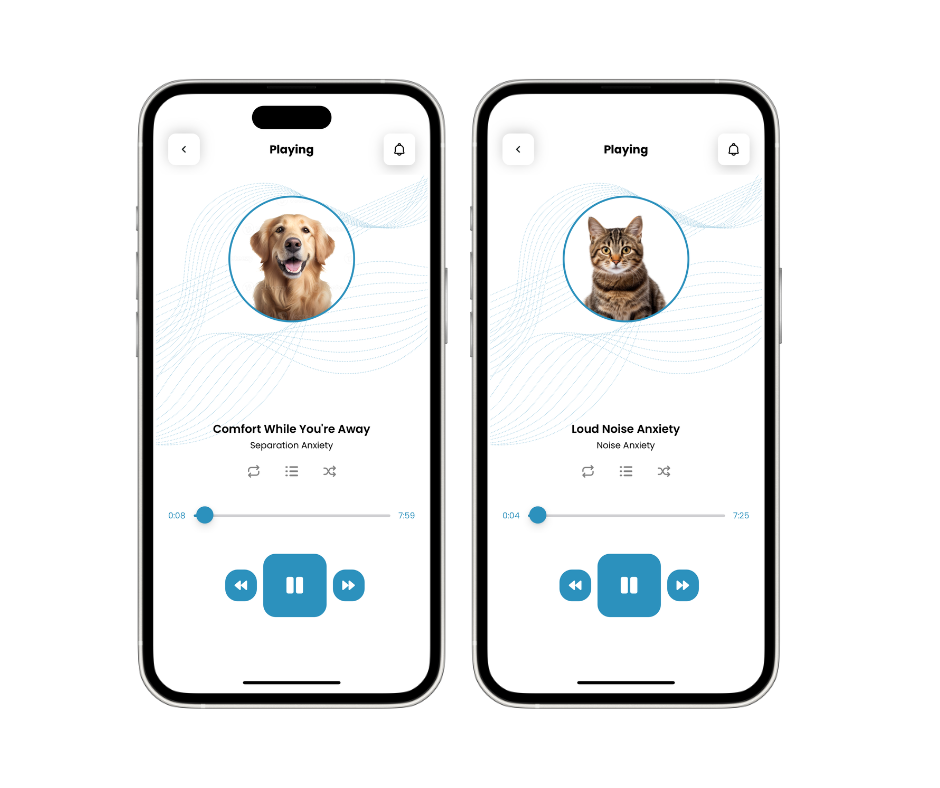
Pet Acoustics+ species-specific sound therapy — music and soundscapes engineered within the auditory comfort range of cats — has been validated in published biometric studies showing measurable reductions in pulse rate, heart rate variability, and cortisol. It runs on any smartphone. It costs nothing to use. And it can be played continuously from the morning of the visit through every stage of the acoustic journey: at home, in the car, in the waiting room, in the carrier on the exam table.

For cats with hearing impairment — which, based on our data, is more than half of all cats — the benefit is not merely calming background sound. The low-frequency components and vibrational qualities of species-specific sound therapy provide sensory input that remains accessible even when higher-frequency response has declined. The acoustic environment becomes not a threat to be managed but a constant to be relied upon.

---

## What Veterinarians Can Do Today

The feline medicalization gap will not close overnight. But there are two things every veterinarian can do immediately that address both the stress problem and the hearing problem simultaneously.

**First: Screen for hearing.** Add the Pet Acoustics+ hearing screening to every feline wellness visit. It takes under two minutes, requires no equipment, and runs on any smartphone. The result establishes a baseline — a clinical data point that no cat currently has, and that every cat deserves. When you can tell an owner that their 8-year-old cat has lost high-frequency response, you have given them language for what they have been observing. You have transformed a behavioral mystery into a sensory explanation. That changes the relationship between the owner and the animal, and it changes the owner's motivation to return.

**Second: Create a sound environment.** Recommend that owners play Pet Acoustics+ sound therapy starting the morning of every veterinary visit. Provide it in the waiting room. Have it playing in the exam room when the carrier is opened. The cat that arrives having been in a consistent, species-specific acoustic environment for two hours is not the same cat as the one that has spent two hours in silence and startle. The difference is measurable — and it changes what happens on the exam table.

---

## The Data Makes the Case

1,838 cats. 55 countries. 59% with hearing impairment. 74.2% of cats aged 12 and over.

These are not small numbers. They are population-level findings that describe a dimension of feline health that has been invisible — not because it does not exist, but because no one had a tool to measure it.

The feline medicalization gap is real. The stress is real. The hearing loss is real. And the path from home to the exam room — the acoustic journey that cats take every time a veterinary visit is attempted — is a path that can be made measurably safer, calmer, and more navigable.

It starts with knowing what your cat can hear. And it starts with understanding that the most important part of a veterinary visit happens before the clinic door opens.

---

## Take the First Step

Download Pet Acoustics+ free on iOS and Android. The hearing screening is free, takes under two minutes, and generates a clinical result you can share with your veterinarian.

**petacoustics.com/app**

---

*Janet Marlow, M.A., is a Certified Sound Behaviorist, Founder and CEO of Pet Acoustics Inc., and the developer of the world's first behavioral digital hearing screening for companion animals. Her research has been published in peer-reviewed international journals and is endorsed by the Fear Free veterinary initiative. She can be reached at janetmarlow@petacoustics.com.*

What 10,615 Pet Hearing Tests Revealed

What 10,615 Pet Hearing Tests Revealed — And Why It Changes Everything

*By Janet Marlow, M.A., Certified Sound Behaviorist | Founder and CEO, Pet Acoustics*

---

When we released the Pet Acoustics+ hearing screening, we expected pet parents to use it out of curiosity. What we did not expect was what the data would show us.

Over four years, between 2022 and 2026, the Pet Acoustics+ behavioral hearing screening was completed 10,615 times — by dog and cat owners in 86 countries, across every age group, every breed type, and every kind of household. It is, to our knowledge, the largest observational behavioral hearing dataset ever compiled for companion animals.

What we found stopped us in our tracks.

---

Nearly Half of All Pets Showed Hearing Impairment

Of the 10,615 screenings completed, **46.5% of pets showed some degree of hearing impairment** in at least one frequency band. More than a quarter — 28.2% — showed significant loss across all three frequency bands tested.

We did not anticipate this prevalence. Hearing loss in companion animals is almost never discussed at a routine wellness visit. There is no standard screening. No baseline is ever established. Most pet owners have no idea their animal's hearing has changed — because the signs are so easy to misread.

A dog that stops coming when called. A cat that startles when you approach. A pet that seems to have become stubborn, anxious, or disconnected. These are not personality changes. In a significant proportion of cases, they are hearing changes — and they are going undetected.

---

The Frequency Picture

The Pet Acoustics+ screening tests behavioral response across three frequency bands:

- **Low frequency** (125 Hz to 1 kHz): 82.1% clear response

- **Mid frequency** (1 kHz to 4 kHz): 76.4% clear response

- **High frequency** (4 kHz to 16+ kHz): only **49.8% clear response**

High-frequency hearing is the first to go. It is the most sensitive marker of age-related sensorineural decline — and it is the range that pets rely on most heavily for environmental awareness, communication, and behavioral cues. When high-frequency response is absent, a pet's experience of the world is fundamentally different from what their owner assumes.

More than half of all pets screened had lost meaningful response in the high-frequency range. Most of their owners had no idea.

---

Age Matters — But Perhaps Not in the Way You Think

The age-related pattern in our data is clear and follows what we would expect from sensorineural decline:

- **Ages 0–3:** 40.5% showing some hearing impairment

- **Ages 3–7:** 27.5% impairment

- **Ages 7–12:** 31.5% impairment

- **Ages 12+:** 53.6% impairment

The senior and geriatric numbers are not surprising. What is striking is the 0–3 figure. **40.5% of young pets showed hearing impairment.** This is not age-related decline — it points toward congenital factors, breed predispositions, and early environmental exposures that we do not yet fully understand.

It also means that hearing loss is not something to watch for when a pet gets older. A baseline established at the first wellness visit could reveal impairment that has been present since birth — and that may be silently shaping that animal's behavior every single day.

---

Dogs and Cats — More Similar Than You Might Expect

**Dogs:** 47.4% showed some hearing impairment

**Cats:** 42.3% showed some hearing impairment

The rates are comparable across species. Hearing loss is not a dog issue or a cat issue — it is a companion animal issue, and it affects both with roughly equal frequency.

For cats specifically, 53.6% of those aged 12 and older showed hearing impairment. Given that cats already visit the vet far less frequently than dogs, and that feline hearing loss is even harder for owners to detect, this finding has significant implications for how we approach feline wellness care.

---

The Clinical Gap

We also surveyed the 318 veterinary clinics that participated in our free screening program. The result was sobering: **79% had no hearing assessment protocol in place.**

Hearing is the only primary sense not routinely evaluated at a wellness visit. We check eyes. We check teeth. We listen to hearts and lungs. We assess gait and body condition. But we do not check hearing — and yet nearly half of all companion animals appear to have some degree of impairment.

That gap is not a failure of veterinary care. It is a gap that has persisted because no scalable, practical, affordable screening tool existed. Until now.

---

What This Means for Your Pet

If you have never screened your pet's hearing, now is the time. Not because something is necessarily wrong — but because you cannot know without a baseline.

The Pet Acoustics+ hearing screening takes under two minutes. It runs on any smartphone. It is completely free. It tests your pet's behavioral response to species-specific sounds across three frequency bands, and your results arrive as a clinical PDF you can share with your veterinarian.

Here is what a baseline tells you:

- Whether your pet's hearing is currently intact — a meaningful reassurance

- What your pet's hearing profile looks like at this point in their life

- A comparison point for every future screening, so you can track change over time rather than guessing

Hearing loss in companion animals is not painful. Pets with hearing impairment adapt, often remarkably well. But they adapt better — and live more comfortably — when the people who love them know what they are experiencing.

---

The Bigger Picture

10,615 screenings across 86 countries. Four years of data. A finding that nearly half of companion animals may be navigating a world they can no longer hear clearly — without anyone knowing.

We built this tool because we believed hearing health in companion animals was underappreciated. The data has proven us right in ways we did not anticipate.

Hearing is not just about sound. It is a primary sensory pathway into behavior, emotion, stress, and wellbeing. When it changes — especially when it changes slowly and silently, as it so often does — the effects ripple into everything: how a pet relates to its home, to other animals, to its family, and to the veterinarians trying to keep it healthy.

This dataset is the beginning of something important. We are sharing it because we believe the veterinary community, the research community, and every pet owner deserves to know what we have found.

---

Try the Free Hearing Screening

Download Pet Acoustics+ free on iOS and Android. The hearing screening is free, takes under two minutes, and requires nothing more than your smartphone.

**petacoustics.com/app**

---

*Janet Marlow, M.A., is a Certified Sound Behaviorist, founder and CEO of Pet Acoustics Inc., and the developer of the world's first behavioral digital hearing screening for companion animals. Her work has been published in peer-reviewed international journals and is endorsed by the Fear Free veterinary initiative. She can be reached at janetmarlow@petacoustics.com.*

Changing Veterinary Medicine Through Digital Hearing Assessment and Sound Therapy

Changing Veterinary Medicine Through Digital Hearing Assessment and Species-Specific Sound Therapy

Veterinary medicine is entering a new era where technology and acoustic science are working hand in hand to enhance animal well-being. For decades, veterinarians have relied on behavioral observation and owner reports to assess a pet’s sensory health. But hearing—the gateway sense that shapes communication, learning, and emotional stability—has often been overlooked. That’s changing with the introduction of digital hearing assessments and species-specific sound therapy, innovations that are transforming how we understand and care for our patients.

Full article here: https://international-animalhealth.com/changing-veterinary-medicine-through-digital-hearing-assessment-and-species-specific-sound-therapy/

The Importance of Hearing in Animal Health

A pet’s ability to hear influences every aspect of its behavior and health. From responding to commands to recognizing familiar voices or environmental cues, healthy hearing plays a crucial role in safety, training, and emotional balance. Yet, subtle hearing loss frequently goes unnoticed until it leads to anxiety, confusion, or changes in social interaction. Early detection allows veterinarians to adapt treatment and living environments to maintain quality of life—and that’s where digital assessment makes all the difference.

Digital Hearing Assessment: A New Diagnostic Frontier

The Pet Acoustics+ App now offers the world’s first digital hearing screening for dogs and cats, giving veterinarians and pet parents a simple, accurate way to measure hearing thresholds directly from a mobile device. Using controlled frequency tones calibrated to each species’ unique auditory range, the app records behavioral responses and provides clear results within minutes.

This breakthrough empowers clinics to integrate hearing health into routine wellness exams—just as eye or dental checks have become standard practice. The collected data also provides valuable insights for longitudinal studies and preventive care.

Sound Therapy Tailored to Species

Beyond diagnosis, sound itself can become a form of medicine. Species-specific sound therapy, developed through years of research in animal bioacoustics, applies precisely modified frequencies and rhythms that align with the hearing sensitivities of dogs and cats. Studies published in leading veterinary journals demonstrate that such music reduces stress biomarkers like cortisol, lowers heart rates, and improves behavioral calm in clinics, shelters, and homes.

This scientifically composed music, delivered through products like the Pet Acoustics Speaker or streamed via the Pet Acoustics+ App, is helping animals recover faster post-surgery, remain relaxed during grooming or transport, and experience more peaceful environments overall.

A Holistic Future for Veterinary Care

Integrating digital hearing assessments and species-specific sound therapy represents a paradigm shift in veterinary medicine. It bridges the gap between diagnostics and emotional wellness, giving practitioners a more holistic approach to care. As clinics adopt these innovations, pets benefit from calmer experiences, improved communication, and earlier detection of hearing issues—while veterinarians gain a new diagnostic tool backed by sound science.

The result is simple but profound: veterinary medicine that listens more closely to the needs of animals—literally and figuratively.

For more information about integrating Pet Acoustics+ technology and sound therapy into your veterinary practice, visit petacoustics.com.

Music Study Shows Significant Reduction in Canine Stress

New study reveals Pet Acoustics music significantly reduces canine stress more effectively than classical music or silence in a kennel environment.

International Animal Health Journal, Volume 11, Issue 2

Pet Acoustics, the pioneering force in animal-specific auditory products, proudly announces a proven discovery in the realm of pet care. A comprehensive biometric study has unequivocally shown that Pet Acoustics music reduces stress levels in dogs more effectively than classical music and no music, revolutionizing how we care for our canine companions in kennels and beyond. 

Unprecedented Findings

  1. Stress Reduction
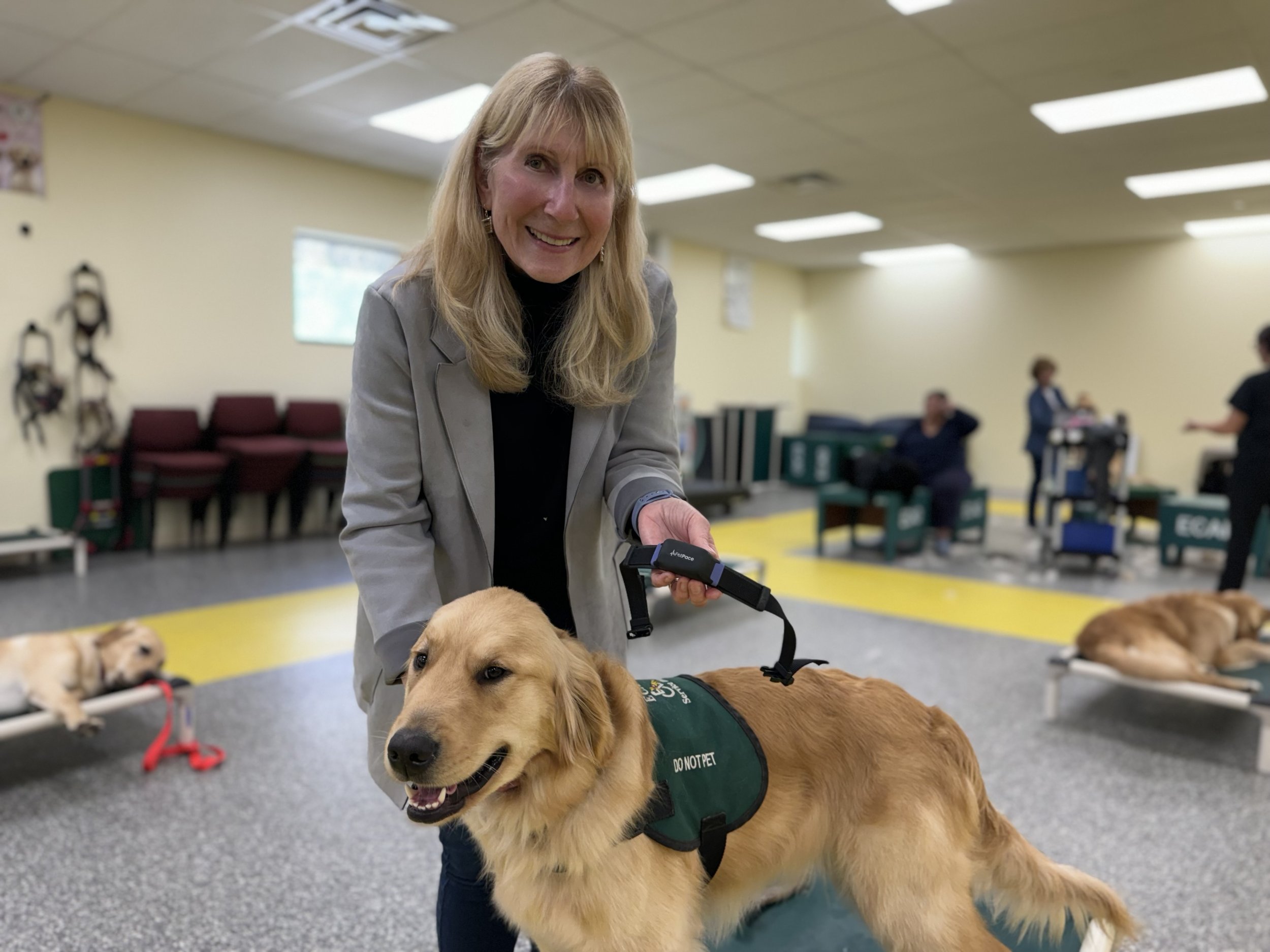
    Dogs exposed to Pet Acoustics music had less stress behaviors measured by the PetPace™ Smart Collar. The PetPace™ biometric collar worn by 12 dogs showed a higher heart rate variability (HRV), lowered pulse rates and calmer activity levels showcasing the profound impact of the Pet Acoustics tailored auditory experience.The study was collaborated with the Co-Founder of PetPace™, Dr. Asaf Dagan.

  2. Outperforms Classical Music
    While classical music has been praised for its soothing effects, Pet Acoustics music, meticulously crafted for canine ears, outperformed classical compositions in reducing stress indicators, setting a new standard in pet care.

  3. Reality of No Music
    Dogs in the no-music group exhibited heightened anxiety and stress, with higher pulse rates, and more frequent stress-related behaviors, highlighting the necessity of auditory intervention for canine well-being.

Comprehensive Study Methodology

This six week groundbreaking study canines were recruited from Educated Canines Assisting with Disabilities (ECAD, Torrington, CT, US), an Assistance Dog International (ADI) accredited service dog organization. Lu and Dale Picard, Founders of ECAD, reviewed the study for animal welfare and safety considerations and based on the non-invasive biometric monitoring parameters and non-invasive music/ sound interventions agreed to have 12 service dogs in training participate in the study.

Janet Marlow, CEO and Founder of Pet Acoustics, states, “This is a monumental validation of our mission to enhance animal lives through scientifically-backed music. These findings, published and peer reviewed in the International Animal Health Journal highlight the critical importance of tailored auditory solutions for pets, and we are thrilled to lead this transformative movement.”  A ten-minute documentary of the study is posted Pet Acoustics’ Youtube channel.


Impactful Implications for Kennel and Home Management

The study’s results suggest that incorporating Pet Acoustics music into kennel environments can revolutionize stress management, creating a more serene atmosphere for animals and staff alike. This breakthrough offers an invaluable tool for kennel operators, veterinary clinics, and pet parents dedicated to optimizing the welfare of dogs under their care.

About Pet Acoustics

Pet Acoustics is at the forefront of improving animal lives through innovative music products such as Pet Tunes Canine and Pet Tunes Pro designed for specific species. Their cutting-edge solutions cater to the unique auditory sensitivities of dogs, cats, horses, birds, and small animals. Trusted by pet parents and professionals worldwide, Pet Acoustics continues to set new benchmarks in animal well-being.

Pet Acoustics Audiometric Study Reveals Patterns of Age-Related Hearing Loss

The cover of IAHJ magazine, featuring a horse and a dog, nose-to-nose.

Published in International Animal Health Journal (volume 10, issue 4), 2024.

This study investigates the prevalence, progression, and characteristics of age-related hearing loss (ARHL) in domestic dogs and cats. Given the importance of auditory communication in these species, understanding ARHL's impact is crucial for enhancing animal welfare and owner-pet interactions.

Presbycusis, or age-related hearing loss, is a prevalent issue in dogs, usually beginning to impact them when they are between 8 to 10 years old. Initially, this condition manifests as a reduced capacity to hear sounds at mid to high frequencies, which can progressively worsen to total hearing loss. ARHL in cats generally begin to show signs around 8 to 12 years old as part of their ageing process. Our study examines the behavioural adaptations that accompany this sensory decline, such as increased reliance on other senses and altered responsiveness, often misconstrued as an enhancement in hearing. Through comprehensive testing, this research aims to delineate the patterns of ARHL in these animals, highlighting the importance of early detection and management. The findings are intended to enhance the understanding of ARHL in pets, thereby aiding in the improvement of care strategies for senior dogs and cats experiencing this natural age-related change.


Purpose of the Study

Age-related hearing loss in dogs and cats is an important area of study for several reasons.


Animal Welfare

As pets age, hearing loss can significantly impact their quality of life. It can lead to confusion, anxiety, and changes in behaviour, as these animals rely heavily on their auditory senses for communication and environmental awareness. Understanding and addressing hearing loss can help in providing better care for ageing pets.

Owner-Pet Relationship

Hearing loss in pets can affect their interaction with their owners. Pets with diminished hearing may not respond to verbal commands or react to their owners' presence, which can be distressing for both the pet and the owner. By understanding the progression and impact of hearing loss, owners can adapt their communication methods to maintain a strong bond with their pets.

Veterinary Care & Management

Knowledge about age- related hearing loss aids veterinarians in diagnosing and managing this condition more effectively. This can include providing guidance to pet owners on how to care for a pet with hearing loss and exploring potential treatments or interventions to slow down the progression of hearing loss.

Insight into Human Hearing Loss

Studying age-related hearing loss in animals can offer insights into similar conditions in humans. Dogs and cats have a relatively shorter lifespan, allowing for quicker observation of the progression of hearing loss. This can contribute valuable data to the broader field of auditory health research.

Preventive Health Strategies

Understanding the causes and risk factors of age-related hearing loss in pets can lead to the development of preventive strategies. This may include dietary recommendations, environmental modifications, or early detection techniques to help maintain hearing ability for as long as possible.

Breed-Specific Research

Certain breeds of dogs and cats may be more prone to hearing loss as they age. Research in this area can inform breeders and potential pet owners about the risks and help in making informed decisions regarding pet selection and breeding practices.


Consideration for Study Variables

Certain breeds of dogs and cats are more prone to hearing loss due to genetic predispositions, congenital issues, or breed-specific characteristics. It's important to note that while these breeds may have a higher risk, hearing loss can occur in any dog or cat, especially as they age. Here are some examples:

Dogs

  • Dalmatian (congenital deafness)

  • Australian Shepherd (linked to merle coat)

  • Cocker Spaniel (ear infections leading to hearing loss)

  • Jack Russell Terrier (associated with white coat)

  • West Highland White Terrier (related to white coat)

  • English Setter (piebald and speckled coat patterns)

Cats

  • White Cats with Blue Eyes (genetic predisposition to deafness)

  • Asian Breeds (e.g., Siamese, Burmese)


Materials and Methods

We conducted a cross-sectional study involving 2,977 dogs and 639 cats of various breeds and ages by veterinarians and pet owners.

Audiometric testing was used to assess hearing thresholds, and owners completed questionnaires about their pets' auditory behaviours. Data regarding the species (dog or cat) and age of the subjects are gathered to further understand the commonality of age-related hearing loss from global testing results.

The audiometric testing was innovated by Janet Marlow, a renowned Animal Sound Behaviourist and the Founder of Pet Acoustics, Inc., as a free digital home hearing test for evaluating pets. Accessible via PetAcoustics.com, the test begins with a simple online questionnaire, requiring basic details such as the pet's species, name and date of birth.

The core of the test involves exposing the pet to three levels of sound wave frequencies, including high-frequency, mid- frequency and low-frequency tones, primarily audible to animals. Various digital devices were used from smartphones to laptops. To assist human testers in the process, sounds as a secondary layer of each test, consist of a bat and a cricket (high sounds), monkey and crow (mid sounds), pig and frog, (low sounds) at frequencies discernible to humans. Participants are instructed to carefully observe their pet's reactions to these sounds, noting behaviours such as ear and head movements, changes in body posture, signs of surprise or confusion, or a lack of response.

These observed reactions can include but are not limited to ear twitching, head tilting, alert posturing, one ear folding back, both ears pointing forward, startled jumping, apparent confusion, leaving the area, or showing no visible reaction at all. This comprehensive approach aims to provide pet owners with a user-friendly yet insightful tool for assessing their pets' auditory health from the comfort of their home or clinic.

The Pet Hearing Test by Pet Acoustics is designed for veterinary and home use, and is available free from their website.


How to Use the Test

The hearing test progresses with a refined questionnaire designed to capture specific reactions to the sounds played.

After demonstrating high-frequency sound waves, pet owners are prompted to answer the following questions, providing clearer insights into their pet's auditory responses.

  • Did you observe a reaction from your pet to the bat sound?

  • Did you observe a reaction from your pet to the cricket sound?

  • Did your pet show no reaction to the sounds?

Following this, the test introduces mid-frequency sound waves, overlying the distinctive calls of a monkey and a crow. Participants are again asked to meticulously answer the questions of their pet’s reactions, focusing on the same set of physical responses observed earlier.

The final phase of the test evaluates responses to low-frequency sound waves, overlying sounds at a similar level to those of a pig and a frog. This comprehensive approach allows for a thorough assessment across a range of auditory frequencies.

Upon completion of the test, the results are promptly sent to the pet owner's email. These results provide valuable information that can be shared with a veterinarian or veterinary client, particularly if there are concerns about potential hearing loss. This efficient and user-friendly method offers a convenient way for pet owners to proactively monitor their pets' auditory health.

A screenshot of the application, showing the high frequency audio test.

A screenshot of the personalized Home Pet Hearing Test.


Canine Results

The canine testing result shows a decline in hearing from 1 year up to the age of 17.

However, in this chart, it becomes clear that there is an apparent spike in hearing abilities in elderly dogs but it is not what it seems. The chart reflects a typical decline in hearing as dogs age, but with a contradicting view of auditory enhancement piquing at approximately age 13. However, there are reasons why older dogs at this age might appear to hear better during the testing.

Canine Reactions by Age

2,977 Dogs tested
 

Compensatory Behavior

In senior dogs, certain sensory abilities, like vision, diminish and there's an increased reliance on other senses, notably hearing. This shift, often mistaken for improved hearing, is actually an optimised use of the hearing ability that remains. This is indicated during the time of testing among almost 3,000 dogs.

Selective Hearing

The data shows a trend where elderly dogs might demonstrate selective hearing, responding more to specific sounds in the test or voice commands by the owner. While this could be interpreted as improved hearing, it's likely indicative of a preference for certain familiar sounds like the sound response to a crow or a cricket.

Inconsistent Hearing Loss

A closer look at the chart reveals that hearing loss in elderly dogs is not uniform across all frequencies. They might retain sensitivity to some frequencies while losing it in others, showing a varied response to different sounds during the test.

Behavioral Changes with Age

The chart may highlight behavioral changes in aging dogs exhibiting greater alertness or reactivity to sounds, which could be misconstrued as better hearing. These behavioral shifts might show increased behavioral anxiety during the test.

Canine Data

2977 Dogs tested

Feline Results

The chart illustrates a steady decrease in the ability of cats to hear high, mid, and low frequencies up to around 9 to 10 years of age.

Interestingly, the data from cats aged 14 to 16 suggests an apparent improvement in hearing abilities overall. However, this observed increase during the test is likely not due to a literal enhancement in auditory function but rather a result of various adaptive behaviors and physiological changes captured at the time of the test.

Feline Reactions by Age

639 Cats tested
 

As cats grow older and possibly experience a reduction in other senses, such as vision, they often become more reliant on their hearing. This doesn't mean their hearing improves; rather, they are maximizing the use of their existing hearing capabilities. Age-related changes in behavior or health could also cause cats to react more to the test animal sounds and frequency waves, which might be misconstrued as improved hearing.

Selective hearing is another aspect observed in elderly cats, where they respond more to certain sounds or voices. Additionally, the progression of hearing loss in elderly cats is not always uniform, as seen in this chart, impacting various frequency ranges differently. This inconsistency can lead to the perception of fluctuating hearing abilities.

These elements, when considered together, help explain the perceived increase in hearing abilities in older cats, as indicated by the chart. It's important to recognize these factors as adaptation to the moment of testing rather than a true improvement in hearing.

Feline Data

639 Cats tested

Conclusion

Participating in a home pet hearing test offers several benefits for both pet professionals and pet owners.


Early Detection of Hearing Loss

Conducting regular hearing tests at home can help in the early detection of hearing loss in pets. Early detection is crucial for managing the condition effectively and ensuring the pet maintains a good quality of life.

Non-Invasive

Home tests are non-invasive and can be performed in a familiar and comfortable environment for the pet. This reduces stress and anxiety that pets might experience in a clinical setting.

Convenience and Cost-Effective

Home tests offer convenience as they can be done without the need to travel to a veterinary clinic or can be used by a smartphone at a veterinary exam.

Improved Communication & Care

Understanding a pet's hearing capabilities allows pet owners and professionals to better communicate with and care for them. It can help in modifying training techniques, environment adjustments, and daily interactions to accommodate the pet's needs.

Safety & Prevention

Identifying hearing issues can lead to preventive measures to ensure the safety of the pet. For example, a pet with hearing loss might need to be kept on a leash during walks to prevent accidents.

Enhanced Monitoring for Breed-Specific Risks

Some breeds are predisposed to hearing problems. Regular hearing tests can help in monitoring these breeds closely for any signs of hearing loss.

Data Collection for Research

Participation in such tests can contribute valuable data for veterinary research on pet hearing loss, which can lead to better diagnostic tools and treatments in the future.

Strengthening the Human-Pet Bond

Engaging in such care activities can strengthen the bond between pets and their owners. It shows commitment to the pet's well-being and can enhance the mutual trust and understanding between the pet and the owner.

Professional Development for Pet Professionals

For professionals, conducting these tests can enhance their skills in diagnosing and managing hearing issues in pets. It can also provide valuable insights for advising pet owners on best practices for caring for a pet with hearing loss.


Contributors

Janet Marlow

Founder and Sound Behaviorist, Pet Acoustics

Try for free


Biometric Study Proves Canine-Specific Music Mitigates Stress Levels

Printed in International Animal Health Journal (volume 9, issue 2), published in 2022.

Canine behavioural stress is often triggered by their acute hearing to sounds in the environment. Dogs can hear from 67Hz to 45,000 Hz which is more than two times higher than human hearing which is 20Hz-20,000Hz. To modify behavioural stress in dogs, Janet Marlow, Founder of Pet Acoustics innovated a science-based music process specifically for canine, feline and equine acute hearing.

The benefits of this music in the canine listening environment has been proven in previous studies with results showing calm and a more balanced behaviour. To further understand the calming effects, this new study was initiated to analyse the biometric data of mostly small dog breeds in particular while listening to the species- specific designed music. Why a focus on small dog breeds? Behaviourally, small dog breeds show more fearful and anxious behaviours for various reasons: their comparative size creates a threatened and defensive posturing; owners tend to be overprotective, limiting social confidence; their sonic and vibrational environment triggers an intense physical response. For example, a dog may exhibit compulsive grooming by repeatedly licking or chewing at their skin and fur to help relieve their anxious feelings. Therefore, determining the calming effects of canine- specific music on a biometric level for small dog breeds can provide a tool that promotes calm behavior for a longer, healthier life.


Purpose of Study

The study began in January, 2022, with the purpose of documenting each dog’s biological responses when the canine music was playing and comparatively, when the music was not playing. The music was disbursed by the pre-loaded, Pet Acoustics Pet Tunes Bluetooth® speaker and placed near the dog. The canines for the test were provided by Ron Pia, canine behaviourist in Australia, who facilitated the study. The dogs were volunteered by their owners to participate in the study, with a stay over in a home where the testing took place. Each dog’s daily schedule included rest, walks and play activity. Twenty dogs were monitored, one by one, of different ages and breeds which included: West Highland Terrier, Beagle, Long Haired Chihuahua, Cavalier King Charles Spaniel, French Bulldog, Lagotto Romagnolo, Pomeranian, English Springer Spaniel, Border Collie, Labradoodle, Poodle and a German Shepherd. The ages ranged from six months to twelve years.

Each dog’s vital signs were documented in real time by wearing the Petpace smart collar. The Petpace collar measured each dog’s pulse rate, HRV rate and activity levels with the music playing and without the music playing.

The purpose of this study is to support the hypothesis that canine-specific music induces a physiological and behavioral calmer state in small dog breeds as well as larger dog breeds, helping them modify stress-triggered behavior for better health and balance. The twenty dogs in this study were male and female, neutered and not neutered, different sized breeds and different ages.

The four month biometric study monitored twenty varying small and larger dog breeds of different ages by measuring their pulse rate, HRV rate, and activity level determining the effects of the music to mitigate anxiety. Each dog's vital signs and behavior patterns were collected by wearing the Petpace smart collar.


Data of Each Dog Tested

Biometric Measures Tested


Pulse

Pulse, or heart rate, is the measurement of the number of times a pet’s heart beats per minute. Heart rate is one of the most important vital signs caregivers can measure for a pet. When the heart rate is measured peripherally by palpating or sensing the pulse in a limb it is called pulse. The job of the heart is to pump blood throughout the body, supplying oxygen to the cells. A pet’s heart rate is controlled by a sophisticated mechanism that takes into account the oxygen demand from the cells and makes sure the heart is able to provide it. For example, when a dog runs, its muscles work hard and consume a lot of oxygen. Therefore, the heart must work faster to supply the demand. Fear is another condition that is associated with increased heart rate in pets. When a pet (or a human) is afraid, the body gets ready for a fight or flight situation, and prepares for the anticipated increase in demand for oxygen.

Heart Rate Variability (HRV)

Heart Rate Variability (HRV) is a statistical analysis of the small variations in time intervals between heartbeats. The variations are innate and normal physiological phenomena. Studies have shown that changes in HRV are associated with a wide range of diseases as well as pain, stress, and obesity. HRV is recognised as a marker for autonomic nervous system activity. The autonomic (parasympathetic and sympathetic) nervous systems as well as hormonal factors provide the main input to the heart’s pacemaker, and the beat-to-beat interval variability is a reflection of the balance between these two. High HRV indicates a good fitness level and a healthy heart and nervous system. Low HRV is associated with stress, pain, heart disease and other pathologies.

Activity Score

Activity Score is a calculated value that provides a quantitative representation of a pet's activity during the selected time range. It is based on summarising all the separate activity readings and producing a total value for the pet's overall activity. What is known is that monitoring and analysing activity patterns and levels can provide valuable medical insights. For example, a decline in activity levels may indicate the development of a disease causing pain or weakness. Activity is also affected by stress levels but this effect is more complex. Some dogs respond to stress by excessive barking, pacing or shaking, while others respond by hiding or loss of appetite. The study evaluated each dog’s activity levels.


Materials

Pet Acoustics and Petpace

There were two catalysts used for the study; the Pet Acoustics canine-specific music and the Petpace smart collar. Each of the twenty dogs wore the PetPace collar for approximately six hours within a twenty-four hour period during various activities. Biometric data was collected by an array of sensors in the collar device. The music was played for three hours. After this time, the music was turned off for three hours in the area of the collared dog for comparison. During the six hour session with the collar, the data was collected in real time and could be seen on a cloud-based analysis engine program provided by Petpace.

Pet Acoustics Canine-Specific Music

The canine-specific music used in the study is a science- based process with measurable and repeatable results to calm behavioral stress in dogs. Different from music for human hearing, the instruments, frequency and decibel levels are digitally modified in original compositions to accommodate the comfort range of canine acute hearing. Species-specific music is a copyrighted, proprietary process innovated in 1997 by Janet Marlow, sound behaviourist and composer for Pet Acoustics.

Janet Marlow, founder of Pet Acoustics and Sound Behaviorist, at the Litchfield Veterinary Clinic.


Methods

After the first dog’s testing was completed, the collar was removed and placed on the next dog visiting the testing site. The same method was done with each of the other dogs collecting the biometric data every two minutes during the sessions. Each dog was tested with half the session without the music playing and then with the music playing.

When the music wasn’t playing, each dog heard and responded to the natural sounds of home life as well as several daily walks and playtime. During the four month period however, there were sounds of passing intense thunderstorms with lightning. Within the testing home of the twenty dogs, there were multiple dogs in the same environment.


Results

When looking at the aggregated data for all the dogs that participated in the study, we can see that the median pulse rate was lower, the median HRV was higher, and the median activity score was slightly lower when the dogs were exposed to the calming music compared to these values when no music was being played.

Pulse

Pulse rate decreased in response to music. The average of median pulse rates was 5.9% lower during times when the dogs were exposed to the music (57.95) compared to times when the dogs were not exposed to the music (61.58).

HRV

Music caused the HRV to increase (high HRV indicates lower stress level). In this study, the overall average of median HRVs was 1.3% higher during times when the dogs were exposed to the music (11.63) compared to times when the dogs were not exposed to the music (11.48).

Activity

The activity score value showed varying results. The median activity score was lower for 10 dogs out of the 20 that participated in the study, and higher for the other 10 dogs. The total average of median Activity Scores was 3.5% lower during times when the dogs were exposed to the music (31.84) compared to times when the dogs were not exposed to the music (32.98).


Conclusions

The Pet Acoustics music that was tested in this study caused physiological and behavioural changes indicating a calmer state for dogs. The pulse rate was lower and HRV was higher in response to music, both being physiological changes associated with a calmer state (lower relative sympathetic tone, or a weaker “fight or flight” state).

All these findings supported the hypothesis of a calming effect as a result of the dogs listening to the music shown by the biometric data. The most significant finding was the HRV, which showed a considerable elevation from baseline, even more than what we see with the pulse. HRV was lower when the sympathetic tone (fight or flight mode) was higher, and vice versa. Therefore, a calm animal should have a higher HRV.

Aggregate Data


Benefits for Canine Welfare

The results of the study proved that canine-specific music modifies stress behaviours in small dogs. The stress scores were significantly lower in dogs listening to the music as compared with no music. There were no significant differences when comparing the sex, age or breed of the dogs, whether they were neutered or not and whether they were outdoors or indoors, all responded positively to the music.

Therefore, small dog breeds inclination for more intense stress responses to their environment can be successfully mitigated by the use of canine-specific music regardless of the owners consistency of training or environment. Additionally, this study showed larger sized dogs have the same ratio of biometric calming response to the music.

Applications and Benefits

For veterinarians – When playing Pet Acoustics canine- calming music, there is a reduction in stress which allows the team to conduct better physical examinations and take more accurate vitals. Broadcasting this music in the waiting rooms of veterinary clinics can also help to ease the anxiety of waiting dogs.

More Applications

  • Modify stress for separation anxiety

  • Modify stress in animal shelters

  • Calmer response to thunderstorms and firework events Less stressful breeding and birthing

  • Use for post-surgery healing

  • Use for travel anxiety


Contributors

Janet Marlow

Founder and Sound Behaviorist, Pet Acoustics

Dr. Asaf Dagan

Chief Veterinary Scientist, PetPace

Ron Pia

Founder, The Pet Calmer


Summary Block
This block has no content yet. Items you add to the page connected to this block will display here.
Clinical Study Proves Benefits of Feline-Specific Music Through Biometric Data

Printed in International Animal Health Journal (volume 8, issue 2), published in 2021.

Feline behavioural stress is triggered by their acute sensitivity to sounds in the environment. Cats can hear from 40Hz to 85,000 Hz, which is more than three times higher than human hearing, at 20Hz-20,000Hz. To modify behavioural stress in cats, Janet Marlow, Founder of Pet Acoustics innovated science-based music designed for feline acute hearing.

The benefits of this calming music has been repeatable and observable since its use for cats starting in 1997. To further understand the calming effects of this music, a study was initiated to analyse the biometrics of cats while listening to the music. The three-month clinical study monitored nine adult cats measuring their pulse rates, HRV, and activity levels determining the effects of the music. Each cat's vital signs and behaviour patterns were continuously collected in real time wearing a PetPace smart collar. By having a deeper understanding of how feline-specific music diminishes stress in cats on a biometric level can further define its use for feline welfare.


Purpose of Study

The clinical study began in October of 2020 with the purpose of documenting the biometric effects of feline-specific calming music. Two cat breeders volunteered their multiple cat homes in Southern Australia for the study. The nine adult cats monitored were different breeds, which included Abyssinian, American Shorthair Black Silver Classic Tabby, Domestic mixed, Russian Blue and Selkirk Rex Shorthair. Their ages ranged from two years to twelve years.

Each cat’s vital signs of their pulse, Heart Rate Variability (HRV) and activity were recorded using a PetPace smart collar for cats.

The purpose of this study is to support the hypothesis that Pet Acoustics feline calming music induces a physiological and behavioural calmer state in cats. By measuring the pulse, HRV and activity scores, we can show the physiological and behavioural responses to the music. The nine adult cats were male and female, neutered and not neutered, different breeds and different ages.

Monitoring feline vitals (pulse, HRV and activity) while playing Pet Acoustics species-specific music.


Data of Each Cat Tested

Biometric Measures Tested


Pulse

Pulse, or heart rate, is the measurement of the number of times a pet’s heart beats per minute. Heart rate is one of the most important vital signs caregivers can measure for your pet. When the heart rate is measured peripherally by palpating or sensing the pulse in a limb, it is called pulse. The job of the heart is to pump blood throughout the body, supplying oxygen to the cells. Your pet’s heart rate is controlled by a sophisticated mechanism that takes into account the oxygen demand from the cells and makes sure the heart is able to provide it. For example, when a dog runs, its muscles work hard and consume a lot of oxygen. Therefore, the heart must work faster to supply the demand. Fear is another condition that is associated with increased heart rate in pets. When a pet (or a human) is afraid, the body gets ready for a fight- or-flight situation and prepares for the anticipated increase in demand for oxygen.

Heart Rate Variability (HRV)

Heart rate variability (HRV) is a statistical analysis of the small variations in time intervals between heartbeats. The variations are innate and normal physiological phenomena. Studies have shown that changes in HRV are associated with a wide range of diseases as well as pain, stress, and obesity. HRV is recognised as a marker for autonomic nervous system activity. The autonomic (parasympathetic and sympathetic) nervous systems as well as hormonal factors provide the main input to the heart’s pacemaker, and the beat-to-beat interval variability is a reflection of the balance between these two. High HRV indicates a good fitness level and a healthy heart and nervous system. Low HRV is associated with stress, pain, heart disease and other pathologies.

Activity Score

Activity score is a calculated value that provides a quantitative representation of a pet's activity during the selected time range. It is based on summarising all the separate activity readings and producing a total value for the pet's overall activity. What is known is that monitoring and analysing activity patterns and levels can provide valuable medical insights. For example, a decline in activity levels may indicate the development of a disease-causing pain or weakness. Activity is also affected by stress levels, but this effect is more complex. Some cats respond to stress by being restless and vocal, while others respond by freezing and hiding. The study evaluated each cat’s activity levels.


Materials and Methods

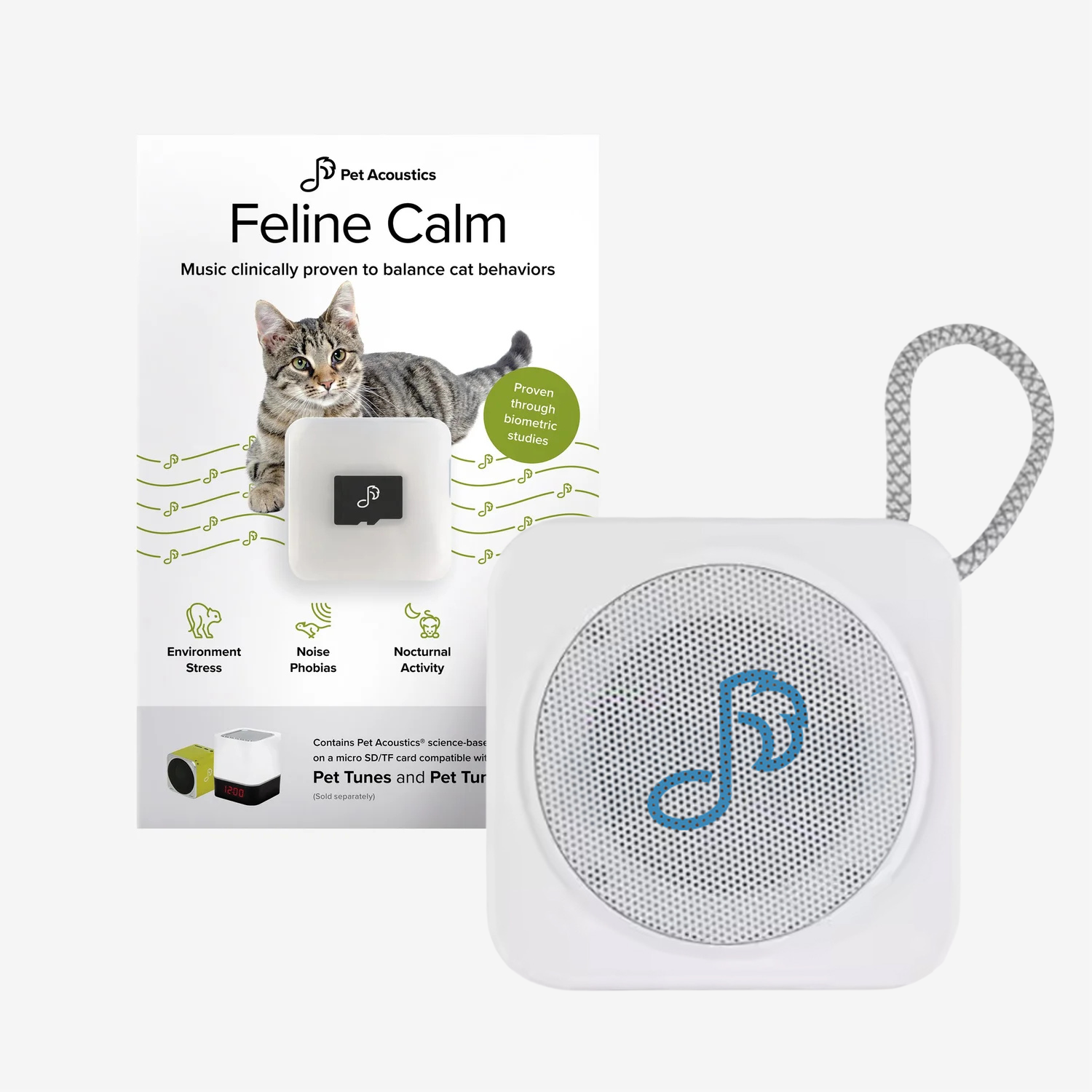
There were two catalysts used for the study: the PetPace smart collar and the Pet Acoustics feline calming music. Each of the nine adult cats wore the PetPace collar over a four-day period. Biometric data was collected by an array of sensors in the collar for twelve to twenty-four hours without the music playing. After this time period, the Pet Acoustics feline calming music was turned on for twelve to twenty-four hours in the area of the collared cat. The music was broadcast from a portable Pet Acoustics Pet Tunes speaker which is pre-loaded with the music on a micro SD card. The feline-specific music played continuously until it was turned off. During the listening session, the pulse rate, HRV and activity data was collected. The data occurred in real time and could be seen on a cloud- based analysis engine program.

The music is specific to the comfort hearing of cats which is within 60 to 80dB. Additionally, the music is modified by frequency content to stay within the frequency levels that do not trigger hypervigilant response. This proprietary process was innovated by Janet Marlow in 1997.

After the first cat’s testing was completed, the collar was removed and placed on the next cat. The same method was done with each of the other eight cats collecting the biometric data every fifteen minutes during the four-day period. Each cat was tested with half of the session with no music playing and then with the music playing.

When the music wasn’t playing, each cat heard and responded to the natural sounds of home life. During the three- month period, however, there were sounds of workmen and construction in the home and several intense thunderstorms. One cat travelled in a car in a crate. Within the two homes of the nine cats tested, there were multiple cats and a dog.

Music in the feline study was broadcast from a portable Pet Acoustics Pet Tunes Feline speaker.


Results

The pulse rate and the activity were lower as well as the HRV being higher when the cats were exposed to the calming music.

Pulse

The pulse rate was lower, and the distribution of results was narrower. The overall median pulse rate was 3.3% lower during times when the cats were exposed to the music (148) compared to times when the cats were not exposed to the music (153). Four of nine cats had a lower median pulse rate during music time. Moreover, the distribution of pulse readings during the music time was lower (range 101-216, delta 115) compared to the non-music times (range 89-232, delta 143).

Each point on the graph indicates a specific pulse measurement made by the collar. By moving the cursor over the point, one can see the actual reading and the time it was made. The line is a simple moving average of the pulse readings.

If the pulse rate is too high (tachycardia) or too slow (bradycardia) for the dog or cat’s activity level, an alert will be generated to have your pet examined by a veterinarian.

HRV

HRV is higher with music and the distribution of results is narrower. In this study, the overall median HRV was 4.6% higher during times when the cats were exposed to the music (9.48) compared to times when the cats were not exposed to the music (9.06). All cats had a higher median HRV during music time. The distribution of HRV readings during music time was lower (range 8.1-10.36, delta 2.26) compared to the no-music times (range 6.7-10.47, delta 3.77).

Each point on the graph is a statistical analysis of the small variations in time intervals between heartbeats. The variations are innate and normal physiological phenomena. Studies have shown that changes in HRV are associated with a wide range of diseases as well as pain, stress and obesity. High HRV indicates good fitness level and healthy heart and nervous system. Low HRV is associated with stress, pain, heart disease and other pathologies. There is no published reference range for HRV-VVTI. Based on preliminary analysis, we estimate that the following ranges apply for dogs:

>11.5 Normal
11.0-11.5 Suspicious
<11.0 Likely to indicate a health problem

The normal range for cats is not yet completely established. Values >9.5 are likely a deviation (decrease) from the typical values indicating a possible health problem or stress.

Activity

Activity score is a calculated value that provides a quantitative representation of a pet's activity during the selected time range. It is based on summarising all the separate activity readings and producing a total value for the pet's overall activity. The overall median activity score was 8.2% lower during times when the cats were exposed to the music (46.9) compared to times when the cats were not exposed to the music (51.1). All nine cats had a lower activity score during music time compared to no-music times.

This chart divides the pet’s activity intensity into four levels – resting, low, medium and high activity. Low activity helps identify pain from orthopedic problems, like joint disease, or general health issues causing fatigue and lethargy. High activity may be associated with restlessness, agitation, alertness and discomfort. Monitoring activity is useful when pets are recovering from trauma, surgery or disease, to ensure that they get the rest they need and gradually resume normal activity patterns.


Conclusions

The Pet Acoustics music that was tested in this study caused physiological and behavioural changes indicating a calmer state for cats. The activity levels of all the cats tested was lower. The overall pulse rate was lower and the distribution of the results was narrower. The HRV for all cats was higher with the music and the distribution of the results was narrower.

All these findings supported the hypothesis of a calming effect as a result of the cats listening to the music. The most significant finding was the HRV, which showed a considerable elevation from baseline, even more than what we see with the pulse. HRV was lower when the sympathetic tone (fight- or-flight mode) was higher, and vice versa. Therefore, a calm animal should have a higher HRV.

Aggregate Data


Benefits for Canine Welfare

The results of the Pet Acoustics study proved that feline- specific music modifies behaviours in cats. The stress scores were significantly lower in cats listening to the music as compared with no music. There were no significant differences when comparing the sex, age or breed of the cats, whether they were neutered or not and whether they were outdoor or indoor cats, all responded positively to the music.

For veterinarians, when listening to the Pet Acoustics feline calming music there is a reduction in stress, which allows the team to conduct better physical examinations and take more accurate vitals. Broadcasting this music in the waiting rooms of veterinary clinics helps to ease the anxiety of waiting cats.

Applications and Benefits

  • Calms behaviours in cat shelters

  • Relieves muscle tension during grooming sessions

  • Masks agitating sounds of thunderstorm and firework

  • Events

  • Calms behaviour for breeding and birthing

  • Reduces stress introducing a newly adopted cat

  • Ideal for stress management for post-surgery healing

  • Diminishes crate travel anxiety

  • Lessens nocturnal activity

Pet Acoustics music helping to calm an anxious cat patient at the Litchfield Veterinary Clinic.


Contributors

Janet Marlow

Founder and Sound Behaviorist, Pet Acoustics