Posts in Cats
How to Check Your Dog’s or Cat’s Ears and Detect Hearing Loss Early

Why Regular Ear Checks Are Important for Pets

Routine ear checks help you:

Catch ear infections early
Ear infections can cause pain, balance issues, and contribute to hearing loss if left untreated. Regular checks can spot redness, swelling, or discharge.

Prevent buildup of wax and debris
Excessive wax or debris can block sound waves and affect hearing. Routine cleaning can help maintain clear ear canals.

Detect age-related changes
Just like humans, pets may experience gradual hearing loss with age. Monitoring helps you catch subtle changes early.

Spot injury or foreign objects
Outdoor pets can occasionally pick up plant material, dirt, or other objects that affect their hearing.

Support communication & safety
A pet with untreated hearing loss may become more anxious, less responsive, or even at risk near roads or other hazards.

Signs of Possible Hearing Loss in Dogs and Cats

Here are key behavioral clues that may indicate hearing loss:

  • Not responding to their name

  • Sleeping through loud noises

  • No reaction to doorbells or visitors

  • Startling when touched

  • Tilting head or shaking ears frequently

  • Disorientation or increased anxiety

  • Following other pets' cues more than usual

  • Changes in vocalization (more barking, whining, or meowing)

Common Causes of Hearing Loss in Pets

1️⃣ Ear Infections (acute or chronic)
2️⃣ Wax buildup
3️⃣ Foreign bodies in the ear canal
4️⃣ Age-related (presbycusis)
5️⃣ Noise-induced hearing damage
6️⃣ Ototoxic medications
7️⃣ Injury to the ear or head
8️⃣ Genetic factors (some breeds are more predisposed)
9️⃣ Tumors or growths in the ear canal

What You Can Do: Screen with the Pet Acoustics Pet Hearing Test

Thanks to modern technology, pet parents can now conveniently monitor hearing changes at home with the Pet Acoustics Pet Hearing Test, available in the Pet Acoustics+ App (App Store & Google Play).

How It Works:

  • The test plays a series of frequency-specific tones designed to match your dog’s or cat’s hearing range.

  • You observe your pet’s reactions (ear movement, head turns, alertness).

  • The app helps you track changes over time and provides guidance on when to consult your veterinarian.

Benefits:

  • Non-invasive & safe

  • Scientifically designed & patent-pending

  • Quick and easy to use

  • Creates a hearing profile for your pet

  • Valuable for monitoring senior pets

  • A tool for early intervention

When to Consult a Veterinarian

If the Pet Hearing Test suggests diminished hearing OR if you observe any of the behavioral signs above, it’s important to schedule a veterinary evaluation. A vet can:

  • Check for infections or obstructions

  • Perform a more detailed ear exam

  • Recommend treatment (medication, cleaning, surgery if needed)

  • Help you manage any permanent hearing loss and advise on safety strategies

In Summary

Your pet’s hearing is a vital part of their quality of life. Regular ear checks, attention to behavioral changes, and simple tools like the Pet Acoustics Hearing Test empower you to stay on top of your pet’s auditory health.

Early detection leads to early intervention — and helps you ensure that your beloved pet stays happy, responsive, and connected to their world.

Try the free Pet Acoustics Pet Hearing Test today — because every sound matters to your pet.
👉 https://www.petacoustics.com/home-pet-hearing-test


Cats, DogsJanet Marlow
Pet Acoustics music positively affects the microbiome of animals

Scientifically designed Pet Acoustics music positively affects the microbiome of dogs, cats, and horses by reducing stress-related disruptions in the gut-brain axis. Here's how:

1. Stress Reduction and the Microbiome

Chronic stress in animals activates the hypothalamic-pituitary-adrenal (HPA) axis, increasing cortisol levels. Elevated cortisol negatively impacts the gut microbiome—reducing beneficial bacteria and increasing inflammation. Calming music from Pet Acoustics has been shown to lower stress indicators such as heart rate, cortisol, and anxious behaviors, which in turn helps restore microbiome balance.

2. Improved Digestion and Nutrient Absorption

When an animal is calm, parasympathetic nervous system activity is dominant, which promotes optimal digestion and gut motility. Calmer animals experience fewer digestive disturbances, allowing the beneficial microbes in their gut to flourish and support better nutrient absorption and immune function.

3. Positive Behavioral Feedback Loop

Reduced anxiety leads to better eating patterns, rest, and social interaction—all factors that support microbial diversity. Pet Acoustics music helps create a stable and emotionally balanced environment, which contributes to healthier behavior and physiological harmony, including in the gut.

4. Veterinary and Shelter Implications

In environments like clinics or shelters where animals face heightened stress, consistent exposure to Pet Acoustics music can help preserve the integrity of the microbiome during times of immune challenge or transition. This is particularly important for animals with sensitive digestive systems or those recovering from illness.

In essence, Pet Acoustics’ species-specific music contributes to gut health by calming the nervous system, reducing stress-induced microbial imbalances, and supporting overall physiological well-being—proving that sound truly is a vital component of holistic animal care.

Dogs, Cats, HorsesJanet Marlow
What Is Pet Music?

What Is Pet Music?

And Why It’s Not About What You Hear

As loving pet parents, we want to provide the best for our animals—safe food, comfortable spaces, exercise, and affection. But there’s one crucial area of care that’s often overlooked: sound. That’s where pet music comes in.

What Is Pet Music?

Pet music is scientifically designed sound therapy created specifically for the hearing sensitivities and emotional needs of animals. Unlike human music, pet music is not composed for entertainment—it’s carefully engineered to soothe, calm, and support the well-being of dogs, cats, horses, birds, and even small mammals.

At Pet Acoustics, this means using frequency ranges, decibel levels, and rhythmic patterns that align with how animals hear the world—helping to reduce stress from common triggers like thunderstorms, separation, travel, and vet visits.

Pet Acoustics stands as the world’s leading authority in pet-calming music, with over two decades of groundbreaking work in animal sound behavior. Backed by biometric studies and real-time physiological data, Pet Acoustics music is scientifically proven to reduce stress, lower heart rates, and promote calm in dogs, cats, horses, birds, and small animals. Trusted by veterinarians, shelters, and pet parents around the globe, our species-specific soundtracks have helped soothe over one million pets worldwide. With its patent-pending innovations and unwavering commitment to pet wellness, Pet Acoustics isn’t just the first—it’s the gold standard in pet sound therapy.

Why You Shouldn’t Judge It Like Human Music

When you press play on pet-calming music, it might not sound like a chart-topping playlist or something you’d hum along to. And that’s exactly the point.

As humans, we tend to evaluate music based on melody, rhythm, or personal taste. But animals experience sound very differently. They hear at higher frequencies, are more sensitive to environmental noise, and process sound neurologically in ways unique to their species.

So rather than asking, “Do I like how this sounds?” the better question is:
“Is this having a calming effect on my pet?”

What to Look For Instead

To know if pet music is working, observe your animal’s behavior:

  • Ears softening or twitching

  • Slower breathing

  • Relaxed body posture

  • Reduced pacing, barking, or hiding

  • Willingness to settle or nap

These responses indicate that the music is activating a sense of security and comfort—something every pet deserves.

The Takeaway

Pet music is not for your entertainment—it’s for their wellness. Trust the science, not your own musical preferences. Give your pet the gift of sound that speaks to them.

Try playing scientifically developed pet music during known stress triggers or during quiet time and watch your furry friend respond in the most peaceful way.

Dogs, CatsJanet Marlow
Why Pet Acoustics Music Works

Why Pet Acoustics Music Works—The Science Behind the App That Calms Your Pet”:

Why Pet Acoustics Music Works—The Science Behind the App That Calms Your Pet

Every pet parent wants their furry friend to feel safe, relaxed, and emotionally balanced—especially during stressful moments like thunderstorms, separation, travel, or veterinary visits. But what if the key to your pet’s calm wasn’t a pill or a treat, but the sound around them?

That’s exactly what the Pet Acoustics App delivers: a scientifically designed music experience tailored specifically to the way animals hear. But how does it work—and why is it different from just turning on a soothing Spotify playlist?

Let’s break it down.

The Science of Sound and Animal Hearing

Animals hear differently than humans. Dogs, cats, horses, and birds all have distinct auditory ranges and sensitivities. High-pitched or chaotic sounds—like doorbells, fireworks, or even certain instruments—can trigger anxiety and hyper-vigilance.

Pet Acoustics music is created by Janet Marlow, a composer and animal sound behaviorist, who developed species-specific music that aligns with each animal’s unique hearing range. That means:

  • No sudden loud bursts

  • No jarring frequencies

  • No triggering rhythms

Instead, the music flows in gentle, predictable patterns with adjusted frequencies and tempos proven to reduce stress reactions in pets.

Biometrically Proven to Calm

What sets Pet Acoustics apart is scientific validation. In biometric studies, pets exposed to this music showed:

  • Lowered heart rates

  • Increased heart rate variability (a marker of relaxation)

  • Reduced cortisol levels (stress hormone)

  • Improved recovery from stress-inducing events

This isn’t anecdotal—it’s data-driven wellness.

Why the App Makes It Even Better

With the new Pet Acoustics App, this calming music is more accessible than ever. The app includes:

  • Unlimited streaming of biometrically proven calming music for dogs and cats

  • Offline listening for travel or low-signal situations

  • The world’s first free digital pet hearing test for dogs and cats

  • Expert articles about pet auditory health and behavior

  • Curated playlists for different stress triggers like storms, grooming, or separation

Whether you're at home, in the car, or at the vet, calming your pet is now as simple as pressing play.

More Than Music—A Wellness Tool

Pet Acoustics isn’t background noise—it’s a tool for pet wellness. Used in homes, vet clinics, shelters, and grooming salons around the world, it’s become a trusted companion for pet parents and professionals alike.

By using sound the way animals hear it—not the way humans enjoy it—Pet Acoustics empowers you to care for your pet on a deeper sensory level.

Ready to help your pet feel calm and safe?
Download the Pet Acoustics App today and experience the difference the right sound can make.

Dogs, CatsJanet Marlow
Does Your Pet Hear You?

Does Your Pet Hear You? How to Test Your Dog or Cat’s Hearing at Home

As pet parents, we often wonder — can my dog or cat hear me clearly? Hearing is a vital part of your pet’s wellbeing, influencing their connection with the world around them, their sense of security, and even their behavior. Yet, hearing loss in pets can often go unnoticed until it significantly affects their quality of life.

That’s why we created the Pet Acoustics Hearing Test App — the world’s first free, digital hearing test specifically designed for dogs and cats. Now, you can easily and safely test your pet’s hearing right from your smartphone, with results you can understand and share with your veterinarian.

Why Testing Your Pet’s Hearing Matters

Just like humans, dogs and cats can experience gradual hearing loss due to aging, genetics, injury, or chronic ear infections. Early detection is important to adjust their care and keep them safe and happy.
Some early signs of hearing changes include:

  • Less response to verbal commands

  • Startling easily when approached

  • Sleeping through loud sounds

  • Changes in behavior, such as increased anxiety

Testing your pet's hearing helps you stay proactive about their health — and it can strengthen your bond by giving you new ways to communicate and care for them.

How the Pet Acoustics Hearing Test Works

Our patented, species-specific approach makes it simple and non-invasive:

  1. Download the Pet Acoustics App from the App Store.

  2. Select the Hearing Test feature for either Dog or Cat.

  3. Play a sequence of frequencies designed for their natural hearing ranges.

  4. Observe your pet’s reactions as the sounds play — gentle head turns, ear movements, or shifts in attention are key indicators.

  5. Receive instant results showing your pet’s hearing response level.

The test only takes a few minutes and can be done in a comfortable, quiet environment where your pet feels at ease.

Share Results with Your Veterinarian

If the results show diminished responses at certain frequencies, you’ll have valuable information to share with your veterinarian. Early awareness can guide further evaluation, treatment options, or simple adaptations in your home to make life easier and safer for your furry friend.

The Pet Acoustics App even allows you to save and email the results directly to your vet for follow-up.

Your Pet’s Hearing Health, Just a Tap Away

Hearing connects your pet to you, their environment, and their sense of comfort. With the Pet Acoustics Hearing Test App, you have a powerful, free tool to protect that connection and ensure your pet’s wellness journey is tuned to their needs.

Download the Pet Acoustics App today — and discover a new way to listen to your pet’s world. 🐾🎶

Dogs, CatsJanet Marlow
Best Ways to Use the Pet Acoustics App

Unlocking Wellness for Your Pet: Best Ways to Use the Pet Acoustics App for Hearing & Calming

If you’re a devoted pet parent, you already know that our furry companions experience the world through heightened senses—especially sound. That’s why the Pet Acoustics App is a groundbreaking tool designed to support your pet’s health through sound wellness. With two powerful features—the world’s first hearing test for dogs and cats and scientifically designed calming music—this app delivers peace of mind for you and a sense of calm for your pet.

Here’s how to get the most out of the Pet Acoustics App:

🎧 1. Start with the Pet Hearing Test

Pets age differently, and hearing loss can often go unnoticed. Our proprietary hearing test is the first of its kind, tailored for both dogs and cats. It’s free to use and takes just a few minutes.

How to Use It:

  • Sit with your pet in a quiet, familiar environment.

  • Play the guided test tones from the app and observe your pet’s reactions—like ear movement, head turning, or alert posture.

  • Results help identify frequency ranges your pet may not hear well, offering insight into age-related hearing or behavior changes.

💡 Tip: Repeat the test every few months to monitor any shifts in hearing ability—especially in senior pets.

🎵 2. Choose the Right Calming Music for Your Pet

Whether your pet is anxious during thunderstorms, vet visits, or when left alone, Pet Acoustics Music is specifically designed using species-specific sound frequencies and tempos.

Where to Use It:

  • At home: Play during daily rest times to reduce overall stress levels.

  • In the car: Ideal for road trips or anxious car rides.

  • At the vet or groomer: Reduce pre-appointment stress by starting music before arrival.

  • During fireworks or storms: Use the “storm calm” playlists before a stressful event begins.

💡 Tip: Try different playlists to see which your pet responds to most. Many owners notice visible signs of relaxation within minutes.

🔁 3. Create a Daily Calm Routine

Just like us, pets thrive on routine. Using the Pet Acoustics App consistently can help regulate your pet’s emotional rhythms.

Build a Routine:

  • Play calming music at the same time each evening to signal wind-down time.

  • Pair music with other relaxing cues, like dim lighting or a favorite bed.

  • If you crate train or leave your pet alone, start the music a few minutes before you leave.

💡 Tip: Use Bluetooth speakers for better sound distribution across your home environment.

📲 4. Track and Share Results

Not only can you observe changes in your pet's stress behaviors, but the hearing test results can also be shared with your veterinarian to support wellness checkups.

Veterinarians love this feature because it provides behavioral context for hearing-related issues—especially in older pets or post-surgical care.

Why It Works

Pet Acoustics is backed by over a decade of sound behavior research, with music clinically shown to lower heart rates and reduce cortisol levels in animals. The app brings these findings right to your fingertips—helping your pet live a calmer, healthier life.

Download the Pet Acoustics App today and discover the sound of well-being—for you and your pet.
Available on iOS and Android.

Dogs, CatsJanet Marlow
April is Pet Hearing Health Month


What Good Hearing Means for Dogs, Cats, Birds, and More

When it comes to our pets’ overall wellness, we often prioritize nutrition, exercise, and grooming—but hearing health is just as essential. Our furry and feathered companions rely on their ears to interpret their environment, communicate with us, and maintain emotional balance.

Emerging science has revealed just how sensitive animal hearing can be, and how tailored sound—like therapeutic music—can support not only emotional well-being, but also help monitor and protect hearing health. One brand leading this field is Pet Acoustics, whose music is designed to harmonize with the specific hearing ranges of dogs, cats, horses, and birds.

Why Hearing Matters for Pets

Healthy hearing is key to an animal’s survival and comfort:

  • Dogs hear up to 45,000 Hz—far higher than humans—and rely on sound for commands, alerts, and emotional cues.

  • Cats have one of the broadest hearing ranges among mammals (up to 64,000 Hz), helping them track prey or detect subtle household changes.

  • Birds, especially parrots, are wired for vocal learning and mimicry. Their acute hearing is essential for social bonding and vocalization.

  • Horses, as prey animals, have highly directional hearing and use ear movement to locate sounds and assess danger.

When hearing deteriorates—due to age, genetics, trauma, or chronic exposure to noise—pets can become anxious, disoriented, or socially withdrawn.

Signs of Hearing Loss in Pets

Here’s how hearing decline might manifest:

Dogs:

  • No response to voice commands or doorbells

  • Increased startle response when touched

  • Barking at unusual times or directions

  • Confusion in noisy environments

Cats:

  • Failure to react to opening cans, loud noises, or being called

  • Overreliance on visual cues

  • Sudden vocalization changes

  • Increased anxiety or clinginess

Birds:

  • No reaction to usual household sounds or human voices

  • Changes in song patterns or mimicry behavior

  • Seeming “lost” or disoriented in the cage

Breed-Specific Hearing Risks

Certain breeds are genetically predisposed to congenital deafness or age-related hearing loss.

At Risk Dog Breeds:

  • Dalmatians, Bull Terriers, and Australian Shepherds with merle or piebald coats often carry genes linked to hearing loss.

  • Dogs with white coats and blue eyes (e.g., Great Danes, Boxers) may have pigment-related deafness.

Cats:

  • White cats with blue eyes are at high risk of congenital deafness in one or both ears.

  • Siamese and other oriental breeds may develop auditory issues with age.

Birds:

  • While less common, birds exposed to loud, sustained noise may experience hearing damage—especially in environments with frequent vacuuming, loud music, or TV.

The Role of Pet Acoustics in Hearing Health & Wellness

Pet Acoustics is a science-backed brand that creates species-specific therapeutic music to help pets feel calm, safe, and emotionally balanced. The music is frequency-modified and clinically tested to suit each animal’s unique auditory range.

Key Products:

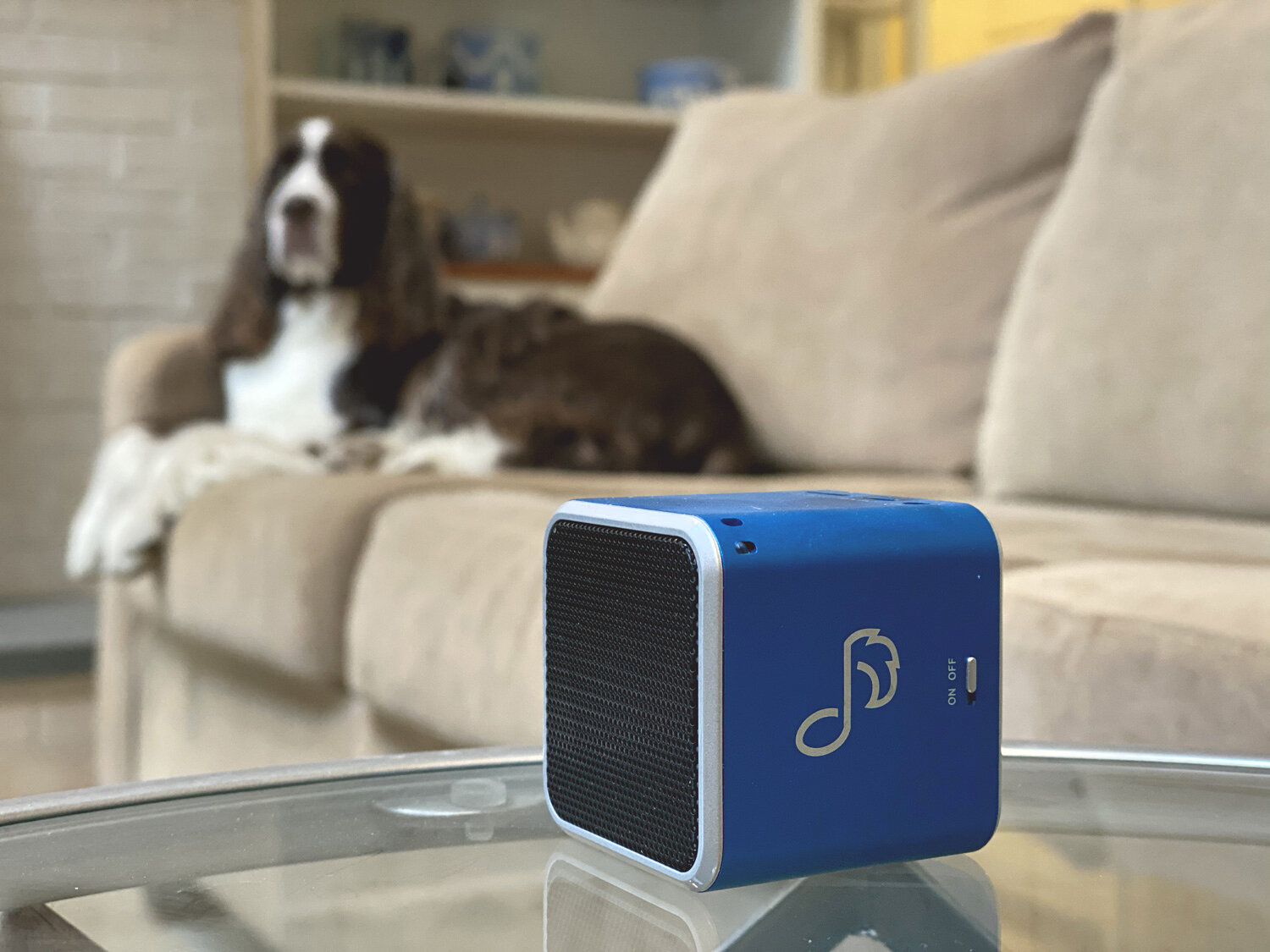
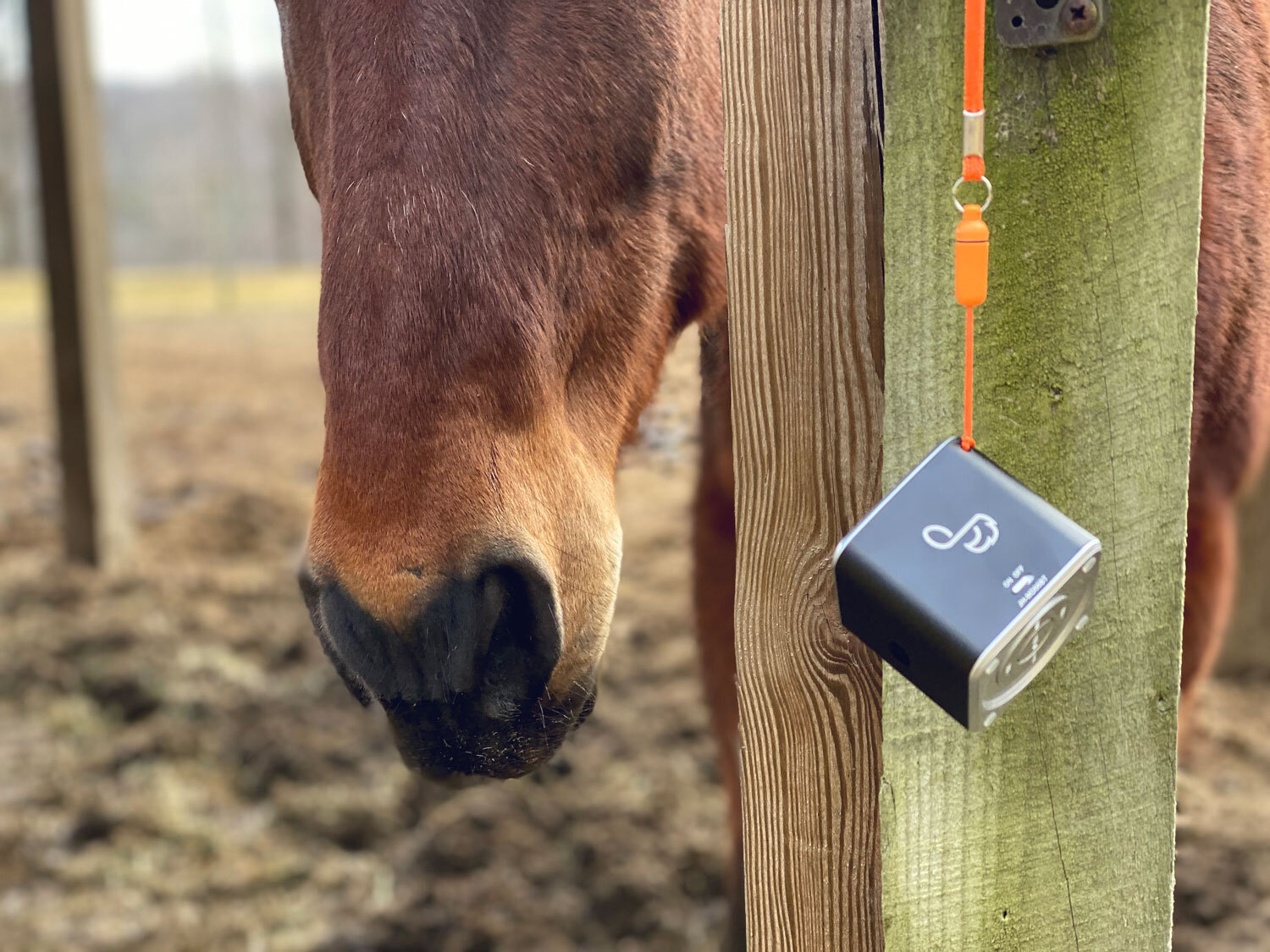
  • Pet Tunes Calming Music Speaker: A Bluetooth speaker preloaded with music specifically designed for dogs, cats, horses, or birds. Ideal for reducing anxiety during storms, travel, or separation.

  • Pet Acoustics App: Stream calming music tailored for your pet’s species directly to your smartphone.

  • Pet Acoustics for Birds: Enhances the natural vocal environment with songs and harmonies that encourage calmness and interaction.

The Science:

Pet Acoustics uses bioacoustic principles—the study of how living beings perceive sound. Their music omits frequencies and sudden changes that might distress animals, and instead features consistent tones, gentle rhythms, and harmonic structures proven to lower cortisol levels (the stress hormone).

Research shows that pets exposed to calming auditory environments:

  • Exhibit fewer signs of anxiety or stress

  • Sleep more soundly

  • Show more social and affectionate behavior

  • Recover faster post-surgery or illness

Supporting Long-Term Hearing Health

Alongside therapeutic music, here are tips to protect your pet’s hearing:

  • Limit loud environments: Avoid cranking up the TV, music, or vacuum near pets.

  • Routine vet checks: Annual wellness exams can help detect ear infections or wax buildup early.

  • Enrich their soundscape: Use calming music like Pet Acoustics daily to create a stable, serene environment.

  • Watch for changes: If your pet starts ignoring sounds they used to respond to, it’s time for a vet visit.

Final Thoughts

Hearing is more than just sound—it’s connection, safety, and emotion for our pets. By understanding their auditory world and protecting it with thoughtful care and calming soundscapes like those from Pet Acoustics, you can support both their mental and physical wellness.

Whether you have a pup who gets anxious during storms, a cat who startles easily, or a bird who needs a soothing environment, therapeutic audio can make a difference.

Read our Published Study

Audiometric Study Reveals Patterns of Age-Related Hearing Loss in Dogs and Cats

Dogs, CatsJanet Marlow
Does Light Therapy Calm Pets?

Light therapy is gaining popularity as a natural and non-invasive way to calm pets, offering benefits that go beyond simple relaxation. Using specific wavelengths of light, this therapy can help reduce anxiety, regulate sleep patterns, and even alleviate pain, contributing to an overall sense of well-being. Studies suggest that certain colors, such as blue and green, promote relaxation, while red and infrared light aid in healing and inflammation reduction. Additionally, light therapy may help pets struggling with seasonal mood changes or disrupted circadian rhythms. As pet owners seek alternative methods to support their furry companions, light therapy emerges as a promising solution for stress relief and improved health.

  1. Reduces Anxiety & Stress

    • Certain light wavelengths, especially red and near-infrared light (600-900 nm), can help stimulate cellular repair and reduce inflammation, which may contribute to a more relaxed state.

    • Some pet owners use blue light or soft ambient lighting to create a soothing environment for anxious pets.

    Improves Sleep

    • Full-spectrum and warm light (similar to natural sunlight) can help regulate circadian rhythms, improving sleep patterns in dogs and cats.

    Helps with Pain & Healing

    • Red light therapy is commonly used in cold laser therapy (LLLT) to help manage arthritis, joint pain, and inflammation, which indirectly improves comfort and relaxation.

    Mood Enhancement

    • Similar to humans, seasonal affective disorder (SAD) in pets may be alleviated by light therapy, improving mood and reducing lethargy.

Light therapy, also known as photobiomodulation (PBM) therapy, is increasingly used in veterinary facilities to help pets recover from various conditions. Here’s how it benefits veterinary practices:

Pain Management & Inflammation Reduction

  • Light therapy helps reduce pain and swelling by increasing circulation and stimulating cellular repair.

  • Useful for arthritis, post-surgical recovery, and chronic pain conditions.

Faster Wound Healing

  • Stimulates tissue regeneration and collagen production.

  • Helps heal cuts, surgical incisions, burns, and ulcers more quickly.

Improved Joint & Muscle Function

  • Reduces stiffness and promotes flexibility, which is especially helpful for pets with hip dysplasia, osteoarthritis, or mobility issues.

Post-Surgical Recovery

  • Shortens recovery time by reducing inflammation and enhancing cell regeneration.

  • Used for pets recovering from spaying, neutering, or orthopedic surgeries.

Skin & Dermatological Benefits

  • Helps treat hot spots, allergies, infections, and dermatological issues.

  • Beneficial for pets with chronic skin conditions like atopic dermatitis.

Stress Reduction & Anxiety Relief

  • Some light therapy devices are designed to promote relaxation and reduce anxiety in stressed or anxious pets.

Safe & Non-Invasive

  • No side effects or drugs required.

  • Well tolerated by most pets.

Many veterinary clinics integrate light therapy as a complementary treatment alongside traditional veterinary care.

Recommendations for specific light therapy devices for pets?

Light Therapy + Music = The Ultimate Relaxation Combination

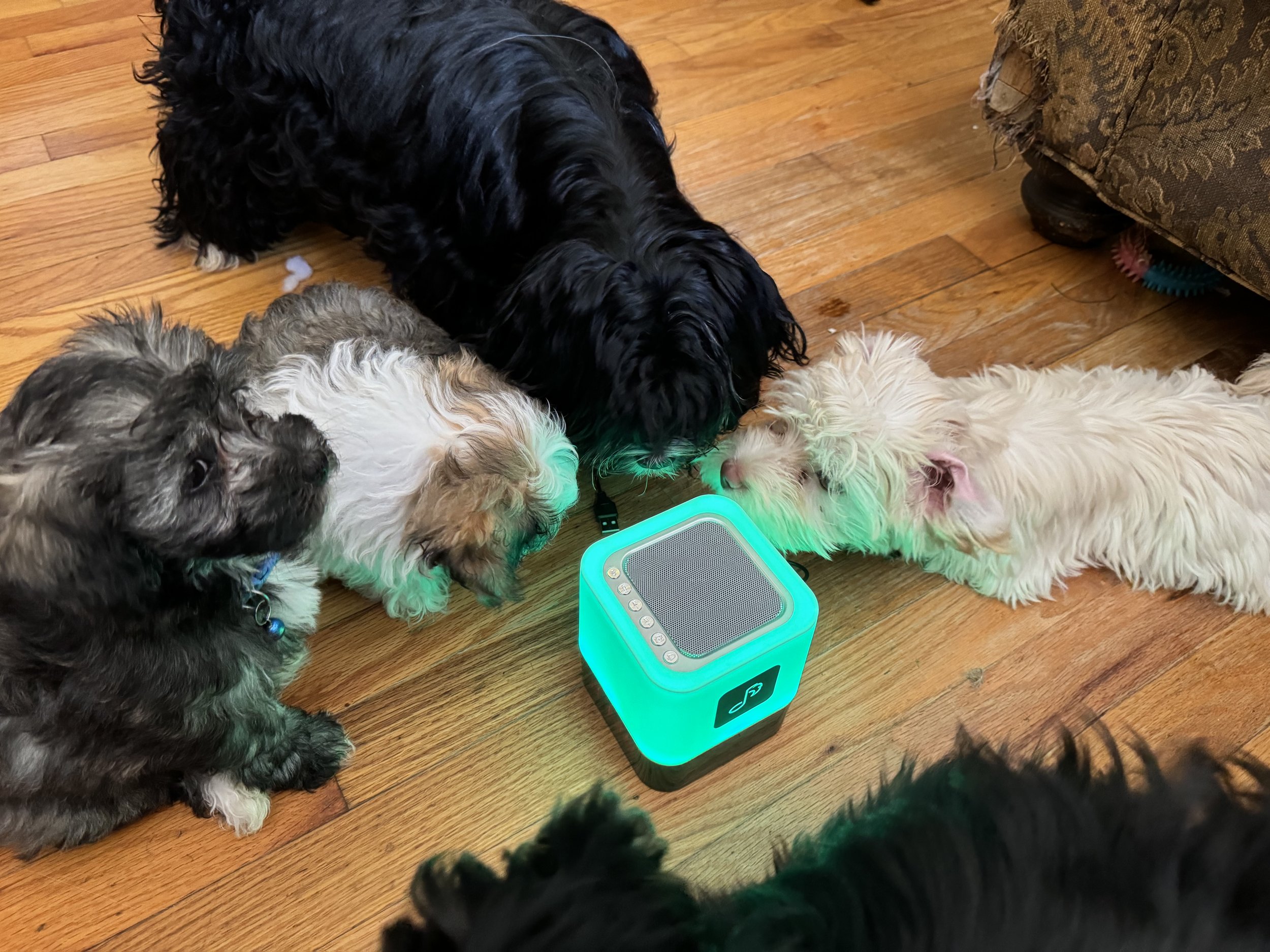
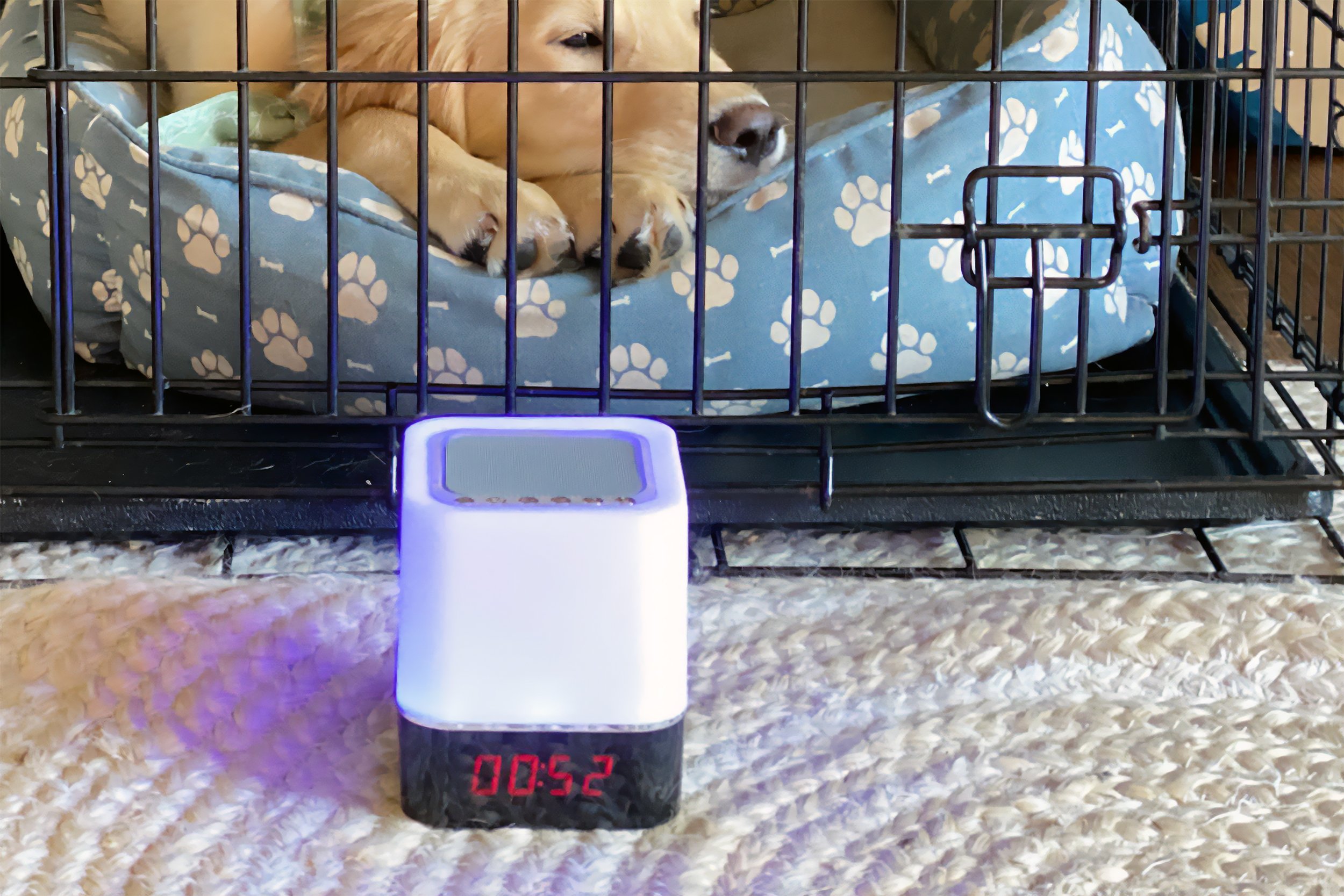
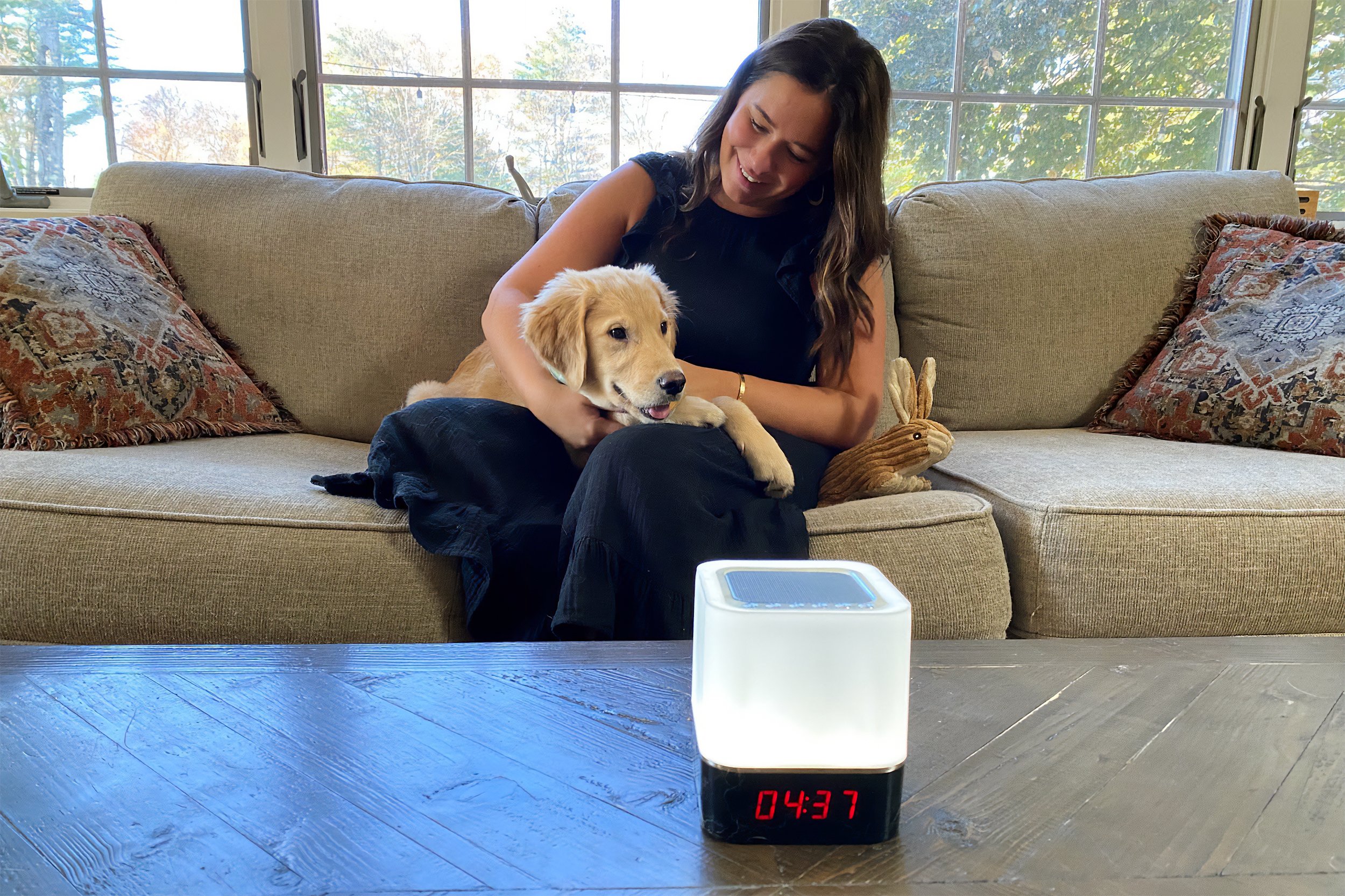
One innovative product that combines the benefits of light therapy and calming music is Pet Tunes Pro by Pet Acoustics. This multisensory speaker system is specifically designed for dogs and cats, offering:

🎼 Scientifically Composed Music – Proven to soothe pets and reduce stress.
💡 Customizable Ambient Lighting – Creates a calming environment for relaxation.
🌿 Nature Sounds & Soundscapes – Enhances comfort in homes, kennels, and vet clinics.

With Pet Tunes Pro, pet owners now have a holistic approach to keeping their furry companions calm, comfortable, and stress-free.

🐕🐈 Have you tried light therapy or music therapy for your pets? Share your experiences in the comments! ⬇️

#PetWellness #LightTherapy #PetCare #PetTunesPro #PetAcoustics #PetHealth #VeterinaryCare #PetAnxiety #InnovationForPets #AnimalBehavior

Pet Tunes Pro, the ultimate sound solution for pets. It creates a calming environment using scientifically crafted soundscapes to reduce anxiety and stress. Ideal for dogs with separation anxiety or cats anxious during thunderstorms, it features gentle melodies and nature sounds that resonate with pets' instincts.

Pet Tunes Pro promotes relaxation, suitable for daily use or stressful situations like vet visits or fireworks. Its sleek design allows for portability, and it offers easy controls with a rechargeable battery, ensuring tranquility on the go. The soundscapes avoid harsh noises, focusing on calming elements.

Join many satisfied pet owners who have enhanced their pets' lives with Pet Tunes Pro. Invest in your pet's comfort and happiness, and see the positive changes in their well-being. Make it a part of your pet care routine for a serene haven for your animals.

Vet Acoustics

Why Veterinarian Facilities Should Consider Pet Acoustics Music Essential for Calm, Healing, and Professional Well-being

In today’s veterinary landscape, providing top-tier care goes beyond medical treatments and procedures. The emotional and psychological well-being of animals plays a crucial role in their overall health, and one often overlooked but highly effective tool in achieving this is pet acoustics music. Designed specifically to calm and comfort pets, this specialized music has been proven to reduce stress, promote healing, and even benefit the humans who work with and care for animals. Here’s why veterinarian facilities should make pet acoustics music an essential part of their practice.

1. Reducing Stress and Anxiety in Pets

Veterinary visits can be highly stressful for animals. Unfamiliar environments, strange smells, and the presence of other distressed animals can trigger anxiety and fear. Research has shown that specifically designed pet acoustics music can significantly reduce these stress levels. Unlike regular music, pet acoustics music is composed with specific frequencies and rhythms that align with an animal’s auditory sensitivity, helping them feel more at ease.

2. Aiding in Recovery and Healing

Calmness is directly linked to better healing. When animals are relaxed, their bodies can focus on recovery rather than being in a heightened state of stress. Lower stress levels contribute to reduced cortisol production, which, in turn, supports immune function and tissue repair. By integrating pet acoustics music into post-operative recovery areas, veterinary facilities can create a more serene and healing-focused environment for their patients.

3. Enhancing Veterinary Procedures

Routine check-ups, vaccinations, and even grooming can be challenging when animals are anxious or restless. By playing calming music in examination and treatment rooms, veterinarians can create a more peaceful atmosphere, making procedures smoother and less stressful for both the animals and the veterinary staff.

4. Improving the Human Experience

Veterinary professionals work in a demanding and often emotionally charged environment. Managing distressed animals and anxious pet owners can lead to significant workplace stress. The soothing effects of pet acoustics music extend to humans as well, helping veterinary teams maintain focus, reduce stress, and create a more positive work environment. Additionally, pet owners who visit the facility will feel more at ease in a calming atmosphere, fostering better communication and trust with their veterinarians.

5. Setting a New Standard in Veterinary Care

As pet owners become more aware of holistic approaches to animal care, veterinary facilities that incorporate pet acoustics music can stand out as forward-thinking and compassionate providers. Offering a calming and stress-free environment not only improves patient outcomes but also enhances the overall reputation of the facility.

Final Thoughts

Pet acoustics music is a simple yet powerful tool that can transform the veterinary experience for pets, veterinary staff, and pet owners alike. By integrating calming music into their facilities, veterinarians can create a more soothing environment that promotes healing, reduces stress, and improves overall well-being. As veterinary science continues to evolve, embracing such holistic approaches will be key in delivering the best possible care for animals and their caregivers.

Pet Acoustics products are ideal for veterinary facilities because they help create a calmer, stress-free environment for animals. Here’s why they are a great fit:

  1. Reduces Anxiety & Stress – Vet visits can be stressful for pets. The specially designed sound frequencies in Pet Acoustics music help soothe anxious animals, making exams, treatments, and procedures easier.

  2. Enhances Patient Comfort – Whether in waiting areas, exam rooms, or recovery spaces, calming music can help pets feel more relaxed, leading to better cooperation and faster recovery.

  3. Proven Scientific Backing – Studies have shown that species-specific music can lower heart rates, reduce stress behaviors, and improve overall well-being in animals.

  4. Versatile Use – Pet Acoustics devices are portable and can be used in various settings, including kennels, surgical rooms, and post-op recovery areas.

  5. Minimizes Aggression & Fear Responses – Calming sounds can reduce fear-based reactions in pets, leading to a safer environment for both staff and animals.

  6. Non-Pharmaceutical Solution – Using music therapy as a natural way to relax pets reduces reliance on sedatives or anti-anxiety medications.

  7. Improves Overall Experience – A more peaceful clinic environment benefits both pets and their owners, making visits more pleasant and less stressful.