Posts in Clinical Studies
University Study Reports Music Results in Lowering Cortisol in Horses

Printed in International Animal Health Journal (volume 8, issue 4), published in 2021.

At the beginning of training routine, young racehorses are exposed to stressful stimuli. The aim of the study was to evaluate the influence of a relaxing massage which the horses received in the stable, and the influence of music piped into the stable, on the long- lasting stress level of the horses. 120 Purebred Arabian horses were studied. They were examined during the first racing season, which lasted for six months.

At the beginning of the study, the horses were 28–31 months old. The horses were brought to S!uÊewiec Horse Race Track (Warsaw, Poland) from their familiar studs and were randomly assigned to music (n=48), massage (n=48), or control (n=24) groups. All horses were regularly trained and competed in official races. Once a month, saliva samples were collected from each horse to determine the cortisol concentration. Both music and massage resulted in significantly lower salivary cortisol concentration compared to the control treatment.

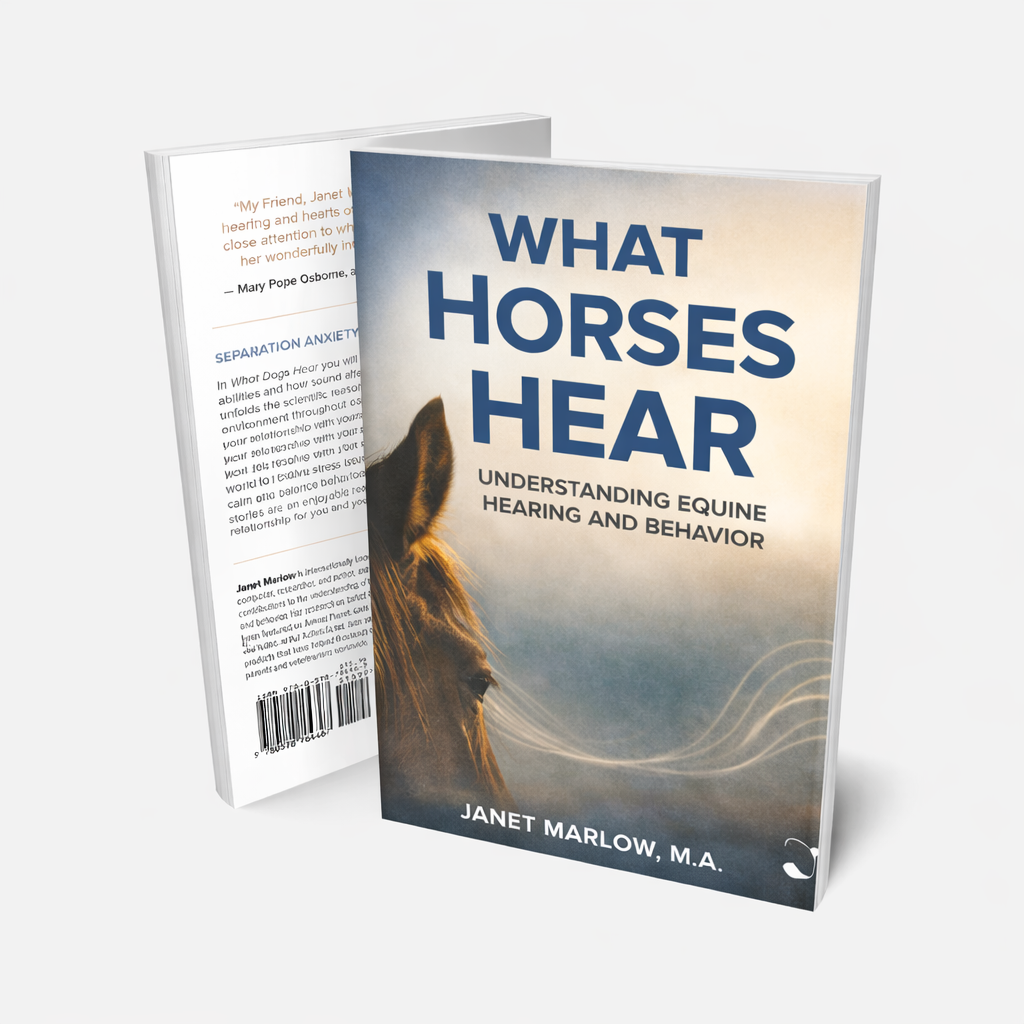
We see them move to music through Dressage routines. As riders, we partner with our rhythmic friends eliciting their tempos in two and three beats, walking, trotting and galloping, defining the equine species as one of nature’s musicians. The equine hearing range is higher than human hearing. Our human frequency hearing range is 20Hz to 20,000Hz. The frequency hearing range of a horse is 55Hz to 33,500Hz. In fact, horses and humans share the most closely related hearing ranges than any other mammals on the planet. A whisper in their ear from your voice or a personalised whistle from the barn to come in from the field is a significant part of the deep bond with our horses and strong connection through sound. This understanding has been an integral part of the research of Pet Acoustics Inc. with the innovation of a special speaker system that modifies sound disbursement for animal hearing and specifically designed science-based music for dogs, cats and horses by Janet Marlow, internationally recognised composer and Sound Behaviourist.

In 2015, a two-year study was initiated by Witold K#dzierski1, Iwona Janczarek, Anna Stachurska and Izabela Wilk of the Department of Biochemistry, University of Life Sciences in Lublin, Lublin, Poland Department of Horse Breeding and Use, University of Life Sciences in Lublin, Lublin, Poland. The study used the Pet Acoustics speaker and Janet Marlow’s equine specific music in the following study.


Introduction

Young Purebred Arabian horses in Poland are routinely submitted to race training. At the age of 2.5 years, they are moved from familiar studs to an unfamiliar race training centre. Much of the stimuli accumulated at the beginning of the training routine is associated with transport, change of residence, physical effort and participation in races, and can elicit chronic stress in horses (Alexander and Irvine 1998). Moreover, the commercialisation of racetracks alters the living conditions towards circumstances inconsistent with the biology of horses (MacTaggart et al. 2010). Keeping a racehorse in a box for most of the day, results in restricted freedom of movement (Henderson 2007). An unfamiliar environment, isolation, and short feed intake can also deepen the stress level (Waters et al. 2002). It is known that long- lasting stress has a negative influence on the organism. The factors generating stress in trained horses, however, can only be partially eliminated. Therefore, negative factors should be controlled and their effects should be mitigated (Evans 2003). Various relaxing methods may be used, e.g. free movement in the paddocks, massage and music. Massage promotes general body relaxation and increases the sense of an animal's well-being (Scott and Swenson 2009). In horses, the heart rate measured during and immediately after a massage was reduced, and improved behavioural responses were noted (McBride et al. 2004). Horses are generally sensitive to music. The most visible sign of the influence of music on horses is the horse’s ability to synchronise their movement to musical rhythm (Bregman et al. 2012). According to Carter and Greening (2012), the effect of the music on a horse’s behaviour depends on the music genre. Stachurska et al. (2015) showed that relaxation music positively affected the emotional state in racehorses. However, little is known how these kinds of relaxation methods reduce long-lasting stress in racehorses (Scott and Swenson 2009).

The most common approach used to evaluate the stress level in horses is measuring cortisol release (Peeters et al. 2010, Schmidt et al. 2010a, b). The cortisol is a natural glucocorticoid hormone synthesised by the adrenal cortex, which in turn, is stimulated by sympathetic nervous system activity. The main function of the hormone is to increase blood glucose level during effort and stressful conditions. In horses, the blood plasma cortisol concentration reflects not only the response to exertion (Desmecht et al. 1996, Nagata et al. 1999) but also the mental stress level (Cayado et al. 2006, Fazio et al. 2008). In recent years, in cortisol determination, more attention has been devoted to saliva sampling. This form of sampling is less stressful for the horse than blood sampling (Peeters et al. 2010, 2011). The level of the saliva cortisol correlates well with its level in the blood (van der Kolk 2001, Peeters et al. 2011, Bohak et al. 2013). The salivary cortisol concentration was successfully used as an indicator of the stress level in horses in response to stabling (Harewood 2005), road transport (Schmidt et al. 2010a, b) and exercise (K#dzierski et al. 2013, 2014a). A significant increase in the salivary cortisol concentration was stated in naïve horses during the initial training. The increase was particularly significant in response to mounting by a rider (Schmidt et al. 2010a, K#d- zierski et al. 2014b). Thus, measuring the cortisol concentration in saliva samples was assumed to be a useful marker of mental stress in horses.

The aim of the study was to evaluate the influence of a relaxation massage, and music piped into the stable, on the horse’s long-lasting stress level gauged with the salivary cortisol concentration.

Dr. Reuss attending to a horse with Pet Tunes Equine music.


Organization of Horse Groups

Race Performance Parameters


Materials and Methods

This article presents data collected within a larger research project designed to determine the influence of chosen relaxation techniques on the emotional state of young racehorses. The study tested the hypothesis that relaxation techniques such as massage and music used over a long period of time, decrease the salivary cortisol concentration in racehorses.

Horses

In the study, 120 Purebred Arabian horses were examined over two years: 57 horses in the first year and 63 in the second year. All the horses participated in the study during their first racing season. Each horse was studied for six months, which covered the full race season for three-year old Purebred Arabian horses. At the beginning of the study, the horses were 28–31 months old. The horses were brought to S!uÊewiec Horse Race Track (Warsaw, Poland) from their familiar studs about three months earlier to acclimatise to the new conditions. After a month of acclimatisation, the horses began the initial training. On the first few days, they were bridled and saddled inside their boxes. Next, they were walked and trotted in an automated horse walker for 30 minutes a day. After that, the horses were mounted. The caretaker held the reins and another caretaker assisted the rider to first lay over the back of the horse and then to move to a sitting position in the saddle. This initial training lasted nine to twelve days, depending on the horse's behaviour. Finally, the riders walked and trotted the horses in a paddock for 30 minutes a day for about six weeks.

The horses were randomly divided into three groups: control group (n=24), music group which listened to music meant to be relaxing (n=48), and massage group (n=48) which regularly received a relaxing massage for about 30 minutes, three days a week. The only criterion of dividing the horses into the groups was that the groups were to include a similar number of mares and stallions. During the whole testing period, the horses were housed in four stables under comparable social and environmental conditions. Each horse was kept in a box stall measuring 3.5 m $ 4 m. Straw bedding allowed the horse to comfortably lie down. To reduce the influence of nonspecific factors on the animal’s emotional reaction, all the horses were fed the same diet according to dietary guidelines and cared for by the same caretakers in a manner which was typical for racehorses. This means that all

horses had equal exposure to all the caretakers. To minimise the influence of the year and stable factors, the experiment was arranged in a manner shown in Table 1. For the first year of the study, the massage was introduced in stables 1 and 2, and the music in stables 3 and 4. The schedule was revised in the second year of the study. The control group also continued in respective stables in the consecutive years.

Before the study, all of the horses were clinically sound according to a veterinarian. All the horses showed normal behaviour according to the trainer. Not all of the horses remained in training for the whole racing season because, in some cases, the owners decided to end their horse’s career before the end of the season. Thus, the number in the data for each month was lower than the number of horses included in a group, and amounted to 62.5%–89.6%.

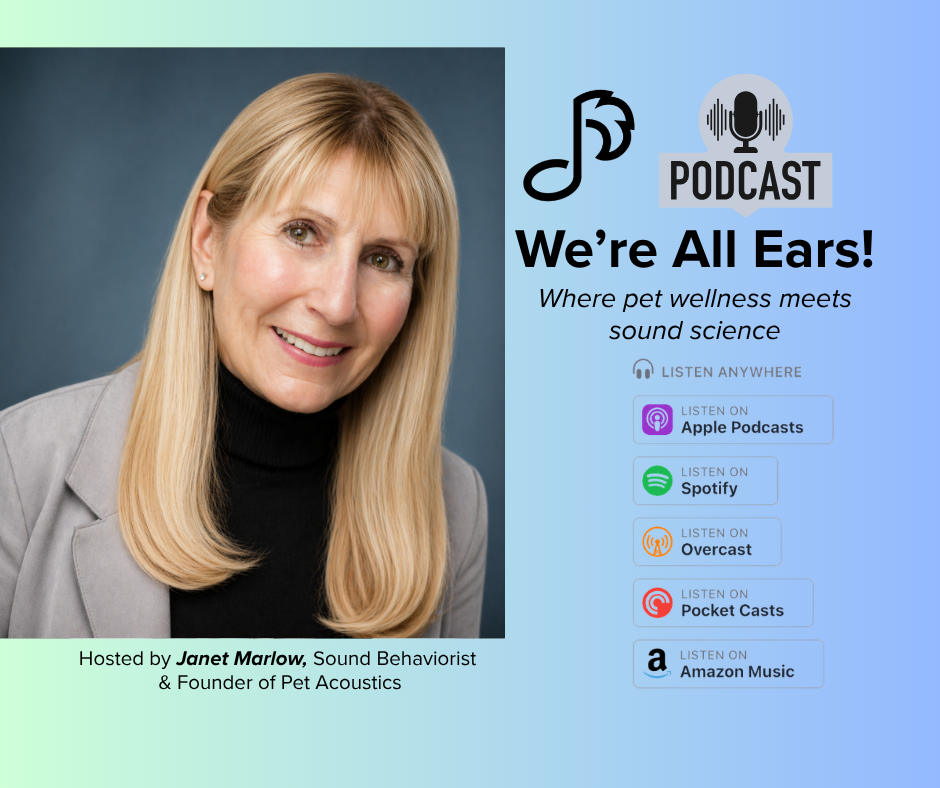
Sound Behaviorist and Founder of Pet Acoustics, Janet Marlow.


Training and Racing

The experiment was performed according to the regular race-training schedule, and for two race seasons. The training sessions were performed for about one hour a day, six days a week. The riders saddled the horses then walked the horses for approximately 10 minutes as a warm-up exercise. The primary race training was conducted on the sand track. The speed and duration were individually adapted to the level of each horse’s performance. An exception was made for the measurement days. On the measurement days, each horse had to cover a distance of 1800m at a speed of 6.4m/s. After the exercise, the horses were put on an automatic horse walker for 45 minutes. At the end of the third month of the study, the horses started to compete in official races at least once a month. A day before and two days after the race, the horses were only given 60 minutes of exercise in the automatic walker. On those days, they were not examined. All persons included in the training and maintaining of the studied horses didn’t know the purpose of the study.

At the end of both race seasons, the horses’ performance was estimated with four parameters based on official race records: (1) number of races, in which a horse won; (2) prize per race, i.e. sum of prizes won to the number of races a horse took part; (3) success coefficient, i.e. sum of prizes won by a horse to sum of prizes won by all horses at the same age in respective race season; (4) general handicap, i.e. theoretical weight (in kg) a horse should carry in a race to equal the horse’s chance to win the race, with the chances of other horses at the same age.

Figure 1 Salivary cortisol level determined at rest in studied groups of horses during following months of the training season (means ‡ SD). 1, 2, 3 ... = following months of the study; * = means in Control Group differ significantly in comparison to other groups; += mean in massage group is significantly different than in music group.


Listening to Music

For approximately five hours a day, the music group listened to music piped into their stalls. The music was played in the stable from 1 to 6 o’clock p.m. The music used was specifically composed and recorded by Janet Marlow, a specialist in the scientific use of music for animals. The rhythms and sound frequency of each composition were specifically composed to be within the sensitivity of the equine hearing range (Saslow 2002, Wells 2009). The relaxation music contained 10 tracks of equine-specific music, composed by Janet Marlow, Sound Behaviourist and Founder of Pet Acoustics. The music was heard in the stable through a special sound speaker device:

My Pet Speaker®, Pet Acoustic Inc, Connecticut, USA) also designed to be within the range of horse-hearing. The speaker system design limits sound frequencies into 200 Hz ~ 12 KHz and features a soft bass designed for equine listening comfort. The speaker also disbursed the music in 360 degrees resonating from the four open areas of the top of the speaker. The equine music by Janet Marlow was played every day in the “Repeat All” mode. The volume was set in the mid-range; at about 65–70 decibels. The equine hearing comfort levels are between 60–80 decibels in general.

The results of the massage group were significantly lower than the results for the music group. To simplify the graphs, in both Figures, the values of SD are presented as only upper or lower bars, nevertheless, each value of SD above the mean was equal with those below the mean.

The race performance parameters are presented in Table 2. Horses in the massage group achieved better results than those in the control group with regard to the number of races won, prize per race and success coefficient. Music group had significantly higher prize per race than the control group. All the studied performance parameters did not significantly differ between music and massage groups.

Figure 2 Salivary cortisol level determined after the end of training sessions in studied groups of horses during following months of the training season (means + SD). 1, 2, 3 ...= following months of the study; * = means in Massage Group are significantly different than in Control Group; + - means in Massage Group differ significantly, in comparison to Music Group.


Discussion

The results of the present study clearly show that both stress-coping methods (music meant to be relaxing in the stable and relaxing massage), brought positive effects. Introducing those methods significantly decreased the release of cortisol. The amount of cortisol was estimated on the basis of the salivary cortisol concentration. The use of this kind of stress-level estimation is commonly accepted in current research (Schmidt et al. 2010 a and b, Peeters et al. 2010).

The most interesting results concerned the determination of the cortisol level in saliva samples, taken at rest. The lack of differences in the first measurement taken at rest, showed that, as was expected, the three groups showed similar cortisol levels at the beginning of the study. The similarity of the groups was in accordance with the trainer’s opinion on the normal behaviour of all of the horses. Both of the relaxation methods significantly decreased the cortisol release as compared to the control group, during the whole racing season, excluding the fifth month of the study. It is worth noticing that the massage was performed after the training sessions, so the horses were massaged at noon, and they listened to music in the afternoon. The horses were investigated at rest, in the early morning, hence the influence of the relaxation methods was analysed many hours after the relaxation treatments. Our results indicate the long-lasting effect of the relaxation methods on the salivary cortisol level in the racehorses. The positive effect the massage had on the salivary cortisol level determined just after a treatment, was described earlier (Scott and Swenson 2009). In another study, massage reduced the stress level which had been evaluated on the basis of heart rate and behaviour of the horses also during a treatment (McBride et al. 2004). In the fifth month of the study, the horses which listened to music had a significantly higher salivary cortisol concentration than those horses which received a massage. An analysis of heart rate variability in horses which listened to relaxation music, also showed that the effectiveness of this method decreased after some months of the treatment (Stachurska et al. 2015). Perhaps animals get accustomed to the music as time passes. Moreover, the horses in general get accustomed to the training. A tendency to decrease in resting cortisol values was seen in the control group during the study. Thus, probably, the salivary cortisol concentration dropped in the music group in the sixth measurement in comparison to the fifth measurement, because of a general tendency to adapt to the environment. However, the adaptation effects of long-lasting music treatment in humans and animals have been studied less. In fact, many reports describe beneficial effects of short-time use of relaxing music (Kıyıcı et al. 2013, Bowman et al. 2015, Linnemann et al. 2015, 2016).

The analysis of those salivary cortisol samples taken after the daily training sessions, and taken in the fifth and sixth month of the study, showed the clear positive effect of the massage treatment over the music treatment. Exercise performed by racehorses during training increases the salivary cortisol concentration (K#dzierski et al. 2013, 2014a), however, endurance exercise has a stronger effect (Desmecht et al. 1996). Some studies suggest that salivary cortisol level determined after exercise, can indicate the relative intensity of exercise in racehorses (K#dzierski et al. 2013). Generally, the intensity of exercise increases with the duration of training. Therefore, the values of salivary cortisol obtained after the end of training sessions tended to increase, especially in control and music groups. In the following months of the study, we compared horses which were subjected to similar amounts of intensive exercise. Thus, the differences in the salivary cortisol concentration found between massage group and other groups were the evident effect of the massage treatment. Listening to music only appears to influence mental relaxation in the horses, whereas massage has an effect on both the mental and muscle relaxation (Haussler 2009). It is not surprising that the estimated cortisol release after physical activity showed that massage brought more beneficial effects than the music. From the economic and management point of view, though, providing music is much easier than providing a relaxing massage.


Conclusion

In conclusion, both the relaxation massage and the music treatment significantly decreased the cortisol release in Purebred Arabian horses trained for racing. The massage treatment gave better results than listening to music which was meant to be relaxing. Playing music, though, being easier to provide, may be widely introduced to improve the welfare and performance of racehorses.

Funding Statement

The Polish National Centre for Research and Development (grant number 180061) sponsored this study.

Citation

Kedzierski W., Janczarek I., Stachurska A., Wilk I. (2017) Massage or music meant to be relaxing, result in lowering salivary cortisol concentration in race horses. Pferdeheilkunde 33, 146-151; DOI 10.21836/PEM20170206

Correspondance

Witold Kedzierski PhD, Department of Biochemistry, University of Life Sciences in Lublin, Akademicka 12, 20-033 Lublin, Poland; email


Contributor

Janet Marlow

Founder and Sound Behaviorist, Pet Acoustics


Evaluation of the Behavioral and Productive Effect of Frequency-modified Music in Piglets

Printed in International Animal Health Journal (volume 3, issue 9), published in 2022.

In swine production, one of the stages where there is a higher percentage of mortality is between the birth and the weaning of piglets. The mortality of piglets is associated in part with the stress of the sows, due to the restriction of high motivation behaviours such as to root and due to the establishment of social hierarchy in piglets.

One strategy that has been used in various species to reduce stress is the use of classical music. However, in a previous study carried out by the authors, it was found that the sow's response stimulated stress-type behaviours with classical music instead of relaxation. In this study, the use of frequency-modified music by composer and sound behaviourist, Janet Marlow, was proposed and adjusted to the auditory comfort range of the swine hearing range, as environmental enrichment. Frequency-modified music has been clinically tested in horses with results that positively influenced their performance in races (Stachurska et al., 2015). It is hypothesized that music that is frequency-modified based on hearing range, produces a relaxing effect in piglets that stimulates affirmative social behaviour, improves weight gain and reduces mortality.


Purpose of Modifying Stress Behaviours in Piglets

  1. Piglets show aggression to other piglets within the first week of life while forming a teat order.

  2. Introducing new pigs into a group may lead to aggression as the pigs establish social ranks. Pigs may spend 1–2 minutes nosing each other, vocalising, and then biting until one of the pigs retreats.

  3. During estrous cycles, sows may show severe aggression toward newly added sows.

  4. During breeding, boars may fight and become very vocal.

  5. Using tranquilizers such as azaperone (2.2 mg/kg) or amperozide (1 mg/kg) can help reduce aggression but may not be economical.

  6. Tail biting is seen mostly in confined pigs.

  7. Overcrowding and boredom seem to be the main causes of aggression. Slatted floors without bedding, low-salt diets, and low-iron soil seem to predispose pigs to tail biting.

  8. When the sow is stressed, usually, the sow will bark to warn piglets walking by her head and then later attack them, biting them to death.

  9. Regrouping or overcrowding increases stress levels as well. These two factors (confinement and crowding) lead to chronic stress, delayed puberty, and failure to reproduce. On the other hand, acute and mild stress such as transport and gentle handling accelerate estrous cycles.

Environmental enrichment in early stages is usually successful. Feeding smaller quantities more frequently and providing toys, bedding to root, corn on the cob, and clean tires can be enriching and mentally stimulating for pigs. The inclusion of species-specific swine music is an enhancement to their enrichment to diminish stress.


Swine Hearing Range Data

The hearing of pigs range from 42 Hz to 40.5 kHz with a region of best sensitivity from 250kHz to 16kHz. Because these animals are unable to localise high-frequency tones, it seems unlikely that selective pressure to use the interaural spectral- difference cue for sound localisation is behind their high- frequency hearing. Instead, researchers suggest that these and other hoofed mammals evolved high-frequency hearing in order to use monaural locus cues which prevent front/back locus reversals.

Process for Composing Swine-Specific Music

Using the Logic Pro program, original music based on the swine hearing range sensitivity was originally composed and modified by frequency and decibel levels accordingly. The music was designed to be broadcast at a comfortable volume in an agriculture setting considering a modest amount of noise and squealing coming from multiple pigs. Speakers were provided which were pre-loaded with repeating, modified swine music placed near three large areas of the pigs interacting during less daily activity. The music permeated the environment with specific tones, volume and frequency content to elicit calm behaviour. Proposing that the music will trigger an ear/behaviour response to the piglet's listening comfort as opposed to the transmission of other pig sounds causing reactive stress behaviour.

Included in the compositions are sounds of nature such as water streams and songbird vocalising to add to the environment. The goal here is to help the pigs feel their natural life to ease stress in an unnatural setting.

Instrumentation

Flutes, Harp, Strings, Chorus-Voice, Nature Sounds, and Piano- Synthesizer. Most of the [Pet Acoustics] music has been modified within 10,000Hz to 12,000 Hz, within the comfort zone of swine hearing.

Sound Behaviorist and Founder of Pet Acoustics, Janet Marlow, in her music studio.


Materials and Methods

The study was carried out in a commercial swine farm in the central zone of Chile. A total of 14 litters were used in two rooms, 7 per room was one of the rooms where the music played in (Grupo Música, GM), while in the other room it was kept in normal conditions (Group Control, GC). The music was played between 8:00 and 4:30 p.m., from one day before delivery until weaning, by means of a music system with 2-audio system speakers, Sony model Mhc-rg590s.

For the study, the animals that were closest to the speakers were selected. The speaker’s volume did not exceed 75 dB, a parameter that was evaluated with a sound level meter (model MS-6708). The music used in the study for the selected pigs consisted of ten compositions of designed music, with sustaining instruments and sounds of nature. The frequency levels were placed in the hearing comfort zone between 10,000 Hz and 12,000Hz, with the auditory spectrum of the pigs being between 40.5 Hz and 40 kHz (Heffiner and Heffiner, 1990).

Productive parameters such as mortality, were measured by birth weight / weaning weight and face injuries. The behaviour was recorded and recorded by CCTV cameras. By sampling the litter and discontinuous recording with intervals of 1 minute, measurements were made of the proportion of times that the piglets performed play, rest, and aggression behaviour. Breastfeeding on day 0, 7, 14 and 21 of lactation.


Results and Discussion

Studies on the use and effect of music in pigs are scarce (eg de Jonge et al., 2008), so this is a line of research that has an interesting projection. In the present study, the parameters such as mortality, birth and weight weaning of the piglets did not show significant differences with the music (p> 0.05). Thus, music did not improve productive performance, as occurred in racehorses (Stachurska et al., 2015).

However, this result may be related to the time of exposure to music, because in the study, the aforementioned differences were found in the performance of the careers after three months of exposure to music that was frequency-modified and in the present study the piglets were exposed to music from one day the birth to the weaning, that is no more than 22 days. As for the behaviour, on day 0 a smaller proportion of time spent in the GM attacks than in CG (p = 0.001). When comparing both groups throughout breastfeeding, it was found that the music stimulated more rest (p = 0.004) and reduced the rate of aggression (p <0.001).


Conclusions

This is the first study using music that is specifically designed for swine hearing. The process of species specific music to calm behaviour has been proven in other biometric studies modifying pulse rates, HRV and activity levels in dogs, cats and horses. It is concluded that the swine-specific music had a positive effect on the behaviour of the piglets, so it can be attributed to the calming effect, thus increasing their animal welfare in an agricultural production system.

Authors

Jimenez, MV 1., Plaza, A. 1, Sepulveda, D. 1, Acosta, J. 2 and Atlagich, M. 2 Zapata, B 1 *,1. Universidad Mayor, Campus Huechuraba, Camino La Pirámide 5750, Santiago Chile. 2. Agrosuper, Camino La Estrella 407, Rancagua, Chile.

References

Jonge, FH et al. 2008. Appl. Anim. Behav. Sci.,115 (3), 138-148; Heffner, RS., Heffner, HE. Hearing Domestic Pigs 1990, 48 (3): 231- 40; Stachurska, A. et al. 2015. Journal of Equine Veterinary Science, 35 (5), 650-656; Marlow, J. et al. 2022, Equine Music Study, International Animal Health Journal, Volume 8, Issue 4, (4) 24-27; Marlow, J. et al. 2021, Feline Music Study, International Animal Health Journal Vol. 8 Issue 2, (3) 20-23; Marlow, J. et al. 2021, Canine Music Study, International Animal Health Journal Vol. 9 Issue 2, (6) 36-41


Contributors

Janet Marlow

Founder and Sound Behaviorist, Pet Acoustics

Olga Beatriz Zapata Salfate

Coordinator of Ethology and Animal Welfare, Escula de Medicina Veterinaria en Universidad Mayor

Interview: Making a Better World for Cats
Cat study front page.png

Melissa Neumann www.catmumma.com “I have a strong belief in the importance of science to prove theories and jumped at the chance to be involved in an experiment to prove that a product called Pet Tunes created by Janet Marlow of Pet Acoustics actually works. Ron Pia is the Australian representative for Pet Tunes and contacted me to see if I would be interested in taking part and of course I immediately said yes! Judith Jordan, a huge fan of the product introduced Pet Tunes to the South Australian cat world and was also involved in the study. The fact that we could clearly see data that supports our thoughts that this product works was remarkable and confirmed our beliefs. Janet has been investigating how different animals hear and developing music for them for many years. It was a great privilege to work with her in this experiment. It was amazing that she could monitor our cats from the other side of the world in real time during a pandemic.”

Full Interview on Youtube https://www.youtube.com/watch?v=y69KkglwL7I or click on image.

The interview with Janet Marlow, Sound Behaviorist and Founder of Pet Acoustics spotlights the results of a recent clinical study with nine cats, proving the benefits of feline-specific music through biometric data using the Petpace Smart collar. The data showed, while listening to Pet Tunes Feline music that the pulse and activity levels were lower. We were also able to determine the HRV data which was higher with the cats experiencing the music. All the findings support the hypothesis of a calming effect from Pet Tunes Feline.

https://thepetcalmer.com/​ to purchase in Australia and New Zealand

Music Calms Dog and Owner in Training

Pet Acoustic music proves to calm during a 90-day study (2014) with The Good Dog Foundation.

Image courtesy The Good Dog Foundation.

Image courtesy The Good Dog Foundation.

Study

Canine Companions and Music: A Study on the impact of music and music speaker design on dogs and their owners (June 19, 2010). Observe the effect of Pet Acoustics music on both pets and owners during training classes, facilitated by Heather White, author and Westchester Executive Trainer and Program Coordinator at The Good Dog Foundation.

Results

80% of participants reported that they felt that the music calmed their dogs as well as themselves.
90% of canines displayed positive reactions as evidenced by their ability to focus on a task at hand with their owner.
86% of canines showed decreased frequency of stress signals and showed neutral to positive body language towards their owners.

The Good Dog Foundation collaborates with researchers, healthcare professionals, and other organizations to promote research studies that document the effects of the human-animal bond on human healing and wellness. While there is much anecdotal evidence supporting the monumental benefits of animal assisted therapy, there is much to be done in the world of scientific research and documentation to help open doors for animal assisted therapy to the healthcare community and beyond.

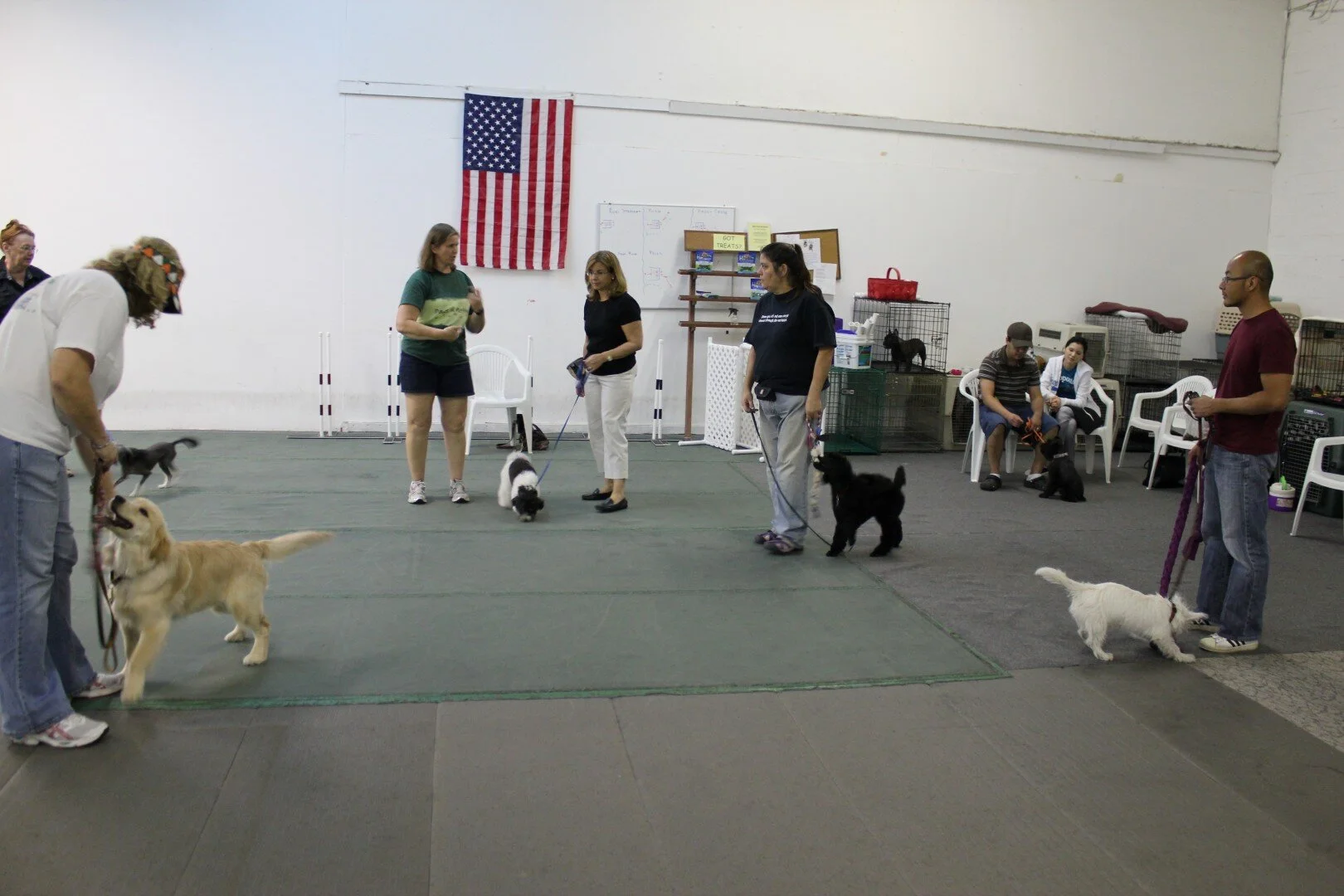
Mixed dogs with their owners in a Pet Acoustics clinical trial.

Mixed dogs with their owners in a Pet Acoustics clinical trial.

Study Utilizing Pet Acoustics with Dogs and Owners​

The study was implemented over a three month period, collecting data via questionnaire and observation from 50 participants and their dogs who participated in obedience classes and therapy dog skills classes through The Good Dog Foundation. Participants were asked to be aware of their dogs at all times throughout each class and asked to report any findings they experienced with their dogs when the dogs were in the presence of Pet Acoustics music and speaker. Dogs and owners were also observed by the class instructor and class assistant for body language and stress signal changes that may occur. The human participants ranged in age from 12 years old to 60 years old with an average of 7 dogs in each class session. The canine participants were comprised of several different breeds of dogs as well as mixed breeds, from all different backgrounds, including dogs from reputable breeders, pet stores, animal shelters and humane societies, and rescue groups. The canine participants ranged in age from 7 months old to 10 years old. The mean and median age of the canine participants was 3 years old.

Summary of Finding

The findings of the above study support the hypothesis that calming music played through the Pet Acoustics music and speaker is beneficial not only to the canine participants, but the owners as well. The majority (75%) of human participants reported that the soundtracks of the Pet Acoustics music playing through the Speaker relaxed them, while the remaining 25% of participants reported that the music was playing and was enjoyable during the class session. 80% of participants reported that they felt that the music playing calmed their dogs as well as themselves, stating, “I think the Pet Speaker is a great tool for promoting calmness”, “I didn’t even realize there was music playing until the very end of class!”, and “The music helped to ground me”. 97% of participants felt that having the Pet Acoustics music speaker present in the room was a beneficial addition to the class atmosphere.

The majority of the canine participants (96%) displayed neutral to positive reactions to the Pet Acoustics music speaker as evidenced by their ability to focus on a task at hand with their owner. The canine participants displayed neutral body language and 86% of the dogs in the classes shown decreased frequency of stress signals and showed neutral to positive body language towards their owners. 4% of canine participants showed elevated stress levels which were not compatible with the therapy dog program and did not continue in class.

Conclusions and Implications

What was most beneficial about the Pet Acoustics Speaker was the aspect of the speaker that takes out the extreme high and low notes in playing music and allows only middle tones to play which seemed to truly and visibly soothe both dogs and their humans during the classes.

It is recommended by this author that the Pet Acoustics music and speakers would be beneficial to dogs in boarding and kennel facilities as well as training classes and also at home. The Pet Acoustics Speaker is a wonderful tool for any dog owner who would like to further foster the bond between themselves and their canine companions.

download.jpg

About The Good Dog Foundation

Since its inception in 1998, The Good Dog Foundation has had a singular mission – using Animal Assisted Intervention to help children and adults heal from the trauma of disease, disability, and disaster.

Music conducted by Janet Marlow, Sound Behaviorist, Founder of Pet Acoustics Inc.

 
Summary Block
This block has no content yet. Items you add to the page connected to this block will display here.
Music Calms Fidelco Guide Dogs: Phase Two

Pet Acoustics continuing 8-month study with Fidelco Guide Dog Foundation.

Lori McClain-Russak, Fidelco Guide Dog Foundation- Pet Acoustics clincial music program to calm dogs used throughout the facility to help German Shepherds in training to become guide dogs for the visually impaired.

Goal

To test the length of time it takes to bring the behavior of each dog into a state of calm and rest while listening to Pet Acoustics frequency modified canine music. Data was collected by a PetPace Collar.

Study

Observe (6) German Shepherds individually, in a high stress behavioral state before and after the music experience. The Pet Tunes music and Ultra Calmer were used alternately. Each dog experience lasted up to 20 minutes to collect the data. The study took place on Sept. 6 and Nov. 15, 2015. at the campus of The Fidelco Guide Dog Foundation in Bloomfield, CT.

CHart for blog.png

Results

90% of the dogs released their states of stress within (5) minutes of listening to the music remaining in a state of calm and rest. One dog took up to 20 minutes to release the stress behavior.

The study showed that Pet Acoustics music used on a daily basis in the kennel is used as an integral part of the service dog training diminishing high stress behaviors during the program resulting in a calmer dog for service.

The chart above show alert position of each dog relaxing into a laying down position into calm and rest after listening to the music through the speaker and through the Ultra Calmer collar device.

Untitled 5.png

About Fidelco

Charlie and Robbie Kaman's intuitive knowledge of how German Shepherd dogs could help people who are legally blind live more normal lives was the genesis of the Fidelco Guide Dog Foundation.
Beginning in 1960, the work done by this innovative couple and ever-growing group of dedicated and tireless staff, volunteers and supporters has reached out and touched thousands of clients' and family members' lives.

Today, Fidelco is an internationally-recognized leader in the guide dog industry. And the legacy of dedication and quality given to the organization by the Kaman’s will guide Fidelco for generations to come. Fidelco Guide Dog Foundation 103 Vision Way Bloomfield, CT 06002 Fidelco.Org

The Fidelco German Shepherd Dog, we describe them as "a breed within a breed." The Fidelco German Shepherd was created from Bavarian stock. It is an outstanding and exclusive product of selective breeding from strong working lines and has evolved to be truly a breed within a breed. Our dogs possess the characteristics of the ideal working guide; intelligence, temperament, stamina and stability. They are responsible for our clients’ safety at all times. This formidable task requires us to have an uncompromising focus on the quality of the breed, which is a hallmark of the Fidelco shepherd.

Conducted by Janet Marlow, Sound Behaviorist.

 
Summary Block
This block has no content yet. Items you add to the page connected to this block will display here.
Music Calms Fidelco Guide Dogs: Phase One

Pet Acoustics music proves calming during an 8-month study with Fidelco Guide Dog Foundation.

Janet Marlow, composer and researcher brought Pet Tunes Canine speaker to the Fidelco Guide Dog Foundation in Bloomfield, CT. The Guide Dogs in training listened to the canine designed music and in 2 1/2 minutes consistently each dog laid down in a state of rest and comfort.

Study

Observe (12) German Shepherds individually in a high stress behavioral state, before and after the music experience. staffed by Lori McClain Russak, Manager and Tommy Mourad, Head Trainer. Fidelco Foundation Nine Month Study in collaboration with Pet Acoustics Inc. Janet Marlow, Sound Behaviorist March - Nov. 2015

Results

90% of the dogs released their states of stress within (5) minutes of listening to the music, remaining in a state of calm and rest.

Details

Starting in March, 2015 Janet Marlow and the Pet Acoustics team set up Pet Tunes canine music and multiple speakers in three large kennel areas at the Fidelco Guide Dog Campus, encompassing over 70 German Shepherds. Each area had dogs in different stages of training.

The music was played at different times of the day during training and for rest time and after meals. Behavioral responses were observed over 9 months. The results concluded that the overall behaviors of the dogs were in a happier and calmer state. This is a desired behavioral state because of the important work becoming guide dogs being able to fit into family life with their companion. The study was coordinated by Lori McClain-Russak, Manager of Kennel Operations, Fidelco Guide Dog Foundation, Inc. and Tommy Mourad, Head Trainer.

 
Summary Block
This block has no content yet. Items you add to the page connected to this block will display here.