

Why is a calm dog healthier than an anxious dog?

Evaluation of a dog's health and well-being is traditionally focused on the physical state. However, the environment that surrounds our dog through air, smells, and the emotional energy of their home, is an important consideration when we evaluate their health issues. Observing responses to sound can help if the history of the dog is not known due to being rescued. In addition to taking care of the basics of shelter, food, and family, we need to be aware of the vast range of sensitivities, emotions, and behaviors that contribute to doggy wellness triggered by acute hearing.
It's important to realize that canine calm does not mean that your dog is inactive or lying down. Webster defines calm as: not agitated, tranquil, steadiness under stress, peaceful, quiet.
“The most wonderful discovery in my career. With pet anxiety issues it’s a great tool. Every animal benefits in my practice.”

Canine hearing is one of the most overlooked causes of negative behaviors. That’s why Pet Acoustics does the research and provides the solutions, naturally.
As an observer of behavior, you know this sensitivity as stressful behavioral responses to thunderstorms and fireworks by panting, pacing and drooling, from excessive barking in response to sounds at home or on the streets, to lunging at cars, to hiding in bathtubs from ground vibrations. Noise-stress is a real issue and sometimes hard to resolve. There are also positive responses to sounds, such as nature-environments, human voices, and calming music to accompany the need for intermittent rest as part of their instinct to balance their daily energy.
A dog's environment can have positive or negative influences on behavior.
You don't have to look further than dog shelters to find examples of high levels of stress, nervousness, fear, and anxiety. We can assume that many of these dogs came from negative environments that created, or at least exacerbated, these conditions. With their loud barks and bodily shivers, they are calling out to us for safety. Thanks to these shelters and the good people who manage them, these animals have a temporary respite until a caring person or family brings them home. Shelters give us a vivid look at white animals need the feeling of connectedness and safety in their environment, whether provided by their own species or hours.














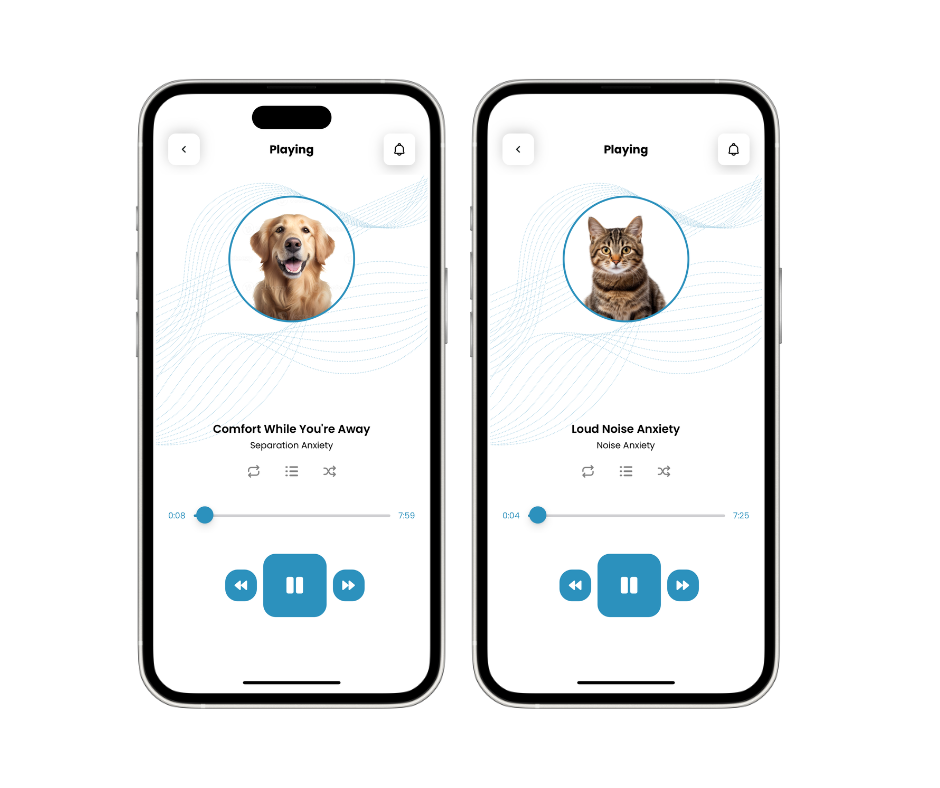





By Janet Marlow, M.A., CSB — Certified Sound Behaviorist™ and founder of Pet Acoustics
$39.99 | Digital edition | ~55 pages
Hearing is the one sense most veterinary teams were never taught to assess. Around 70% of clinics don't screen hearing at all, yet hearing changes shape how dogs and cats respond to handling, noise, the exam room, and the people who care for them.
The Veterinary Guide to Hearing Wellness closes that gap. Written for veterinary technicians and the whole clinical team, it brings 25 years of science in animal psychoacoustics into a concise, practical guide you can read in an afternoon and put to use the next day.
Inside, you'll learn:
How dogs and cats hear, and why their hearing range changes what they experience in the clinic and at home
The signs of reduced hearing that are easy to miss, and how they're often mistaken for behavior problems
How a two-minute hearing screening fits into a routine visit, and how to read Present, Reduced, and Absent results across the Low, Mid, and High bands
How to talk with pet parents about hearing results and next steps
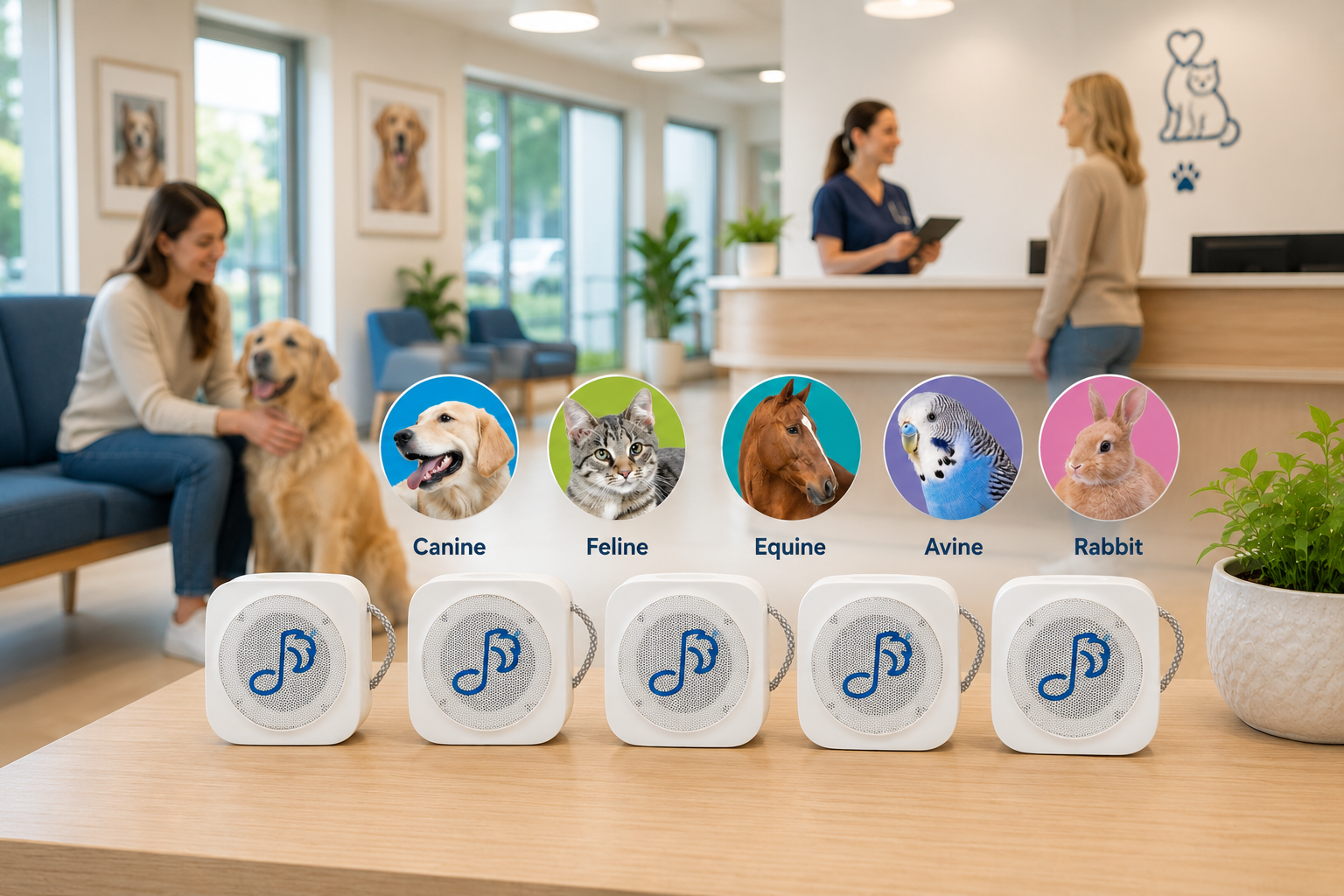
How sound therapy supports calm in patients during visits and at home
Who it's for: Veterinary technicians, veterinarians, practice managers, and shelter teams who want a clear, science-based foundation in companion animal hearing health.
Part of the Hearing Wellness Platform
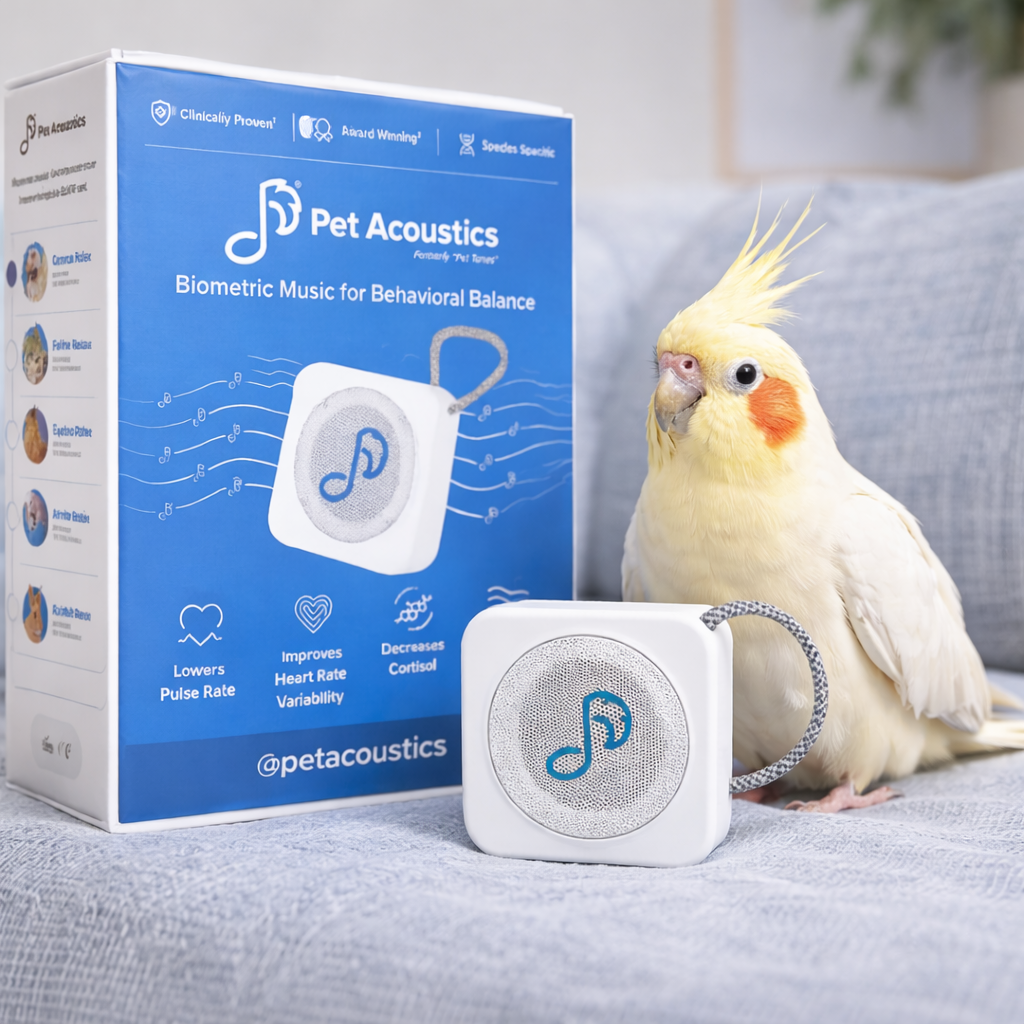
This guide is also available within the Pet Acoustics Hearing Wellness Platform, a monthly subscription that gives your clinic or group practice unlimited hearing screenings in a personalized, dedicated admin page. The subscription includes unlimited access to Pet Acoustics biometric sound therapy for dogs and cats, plus educational guides for veterinarians and pet-parent follow-up.